



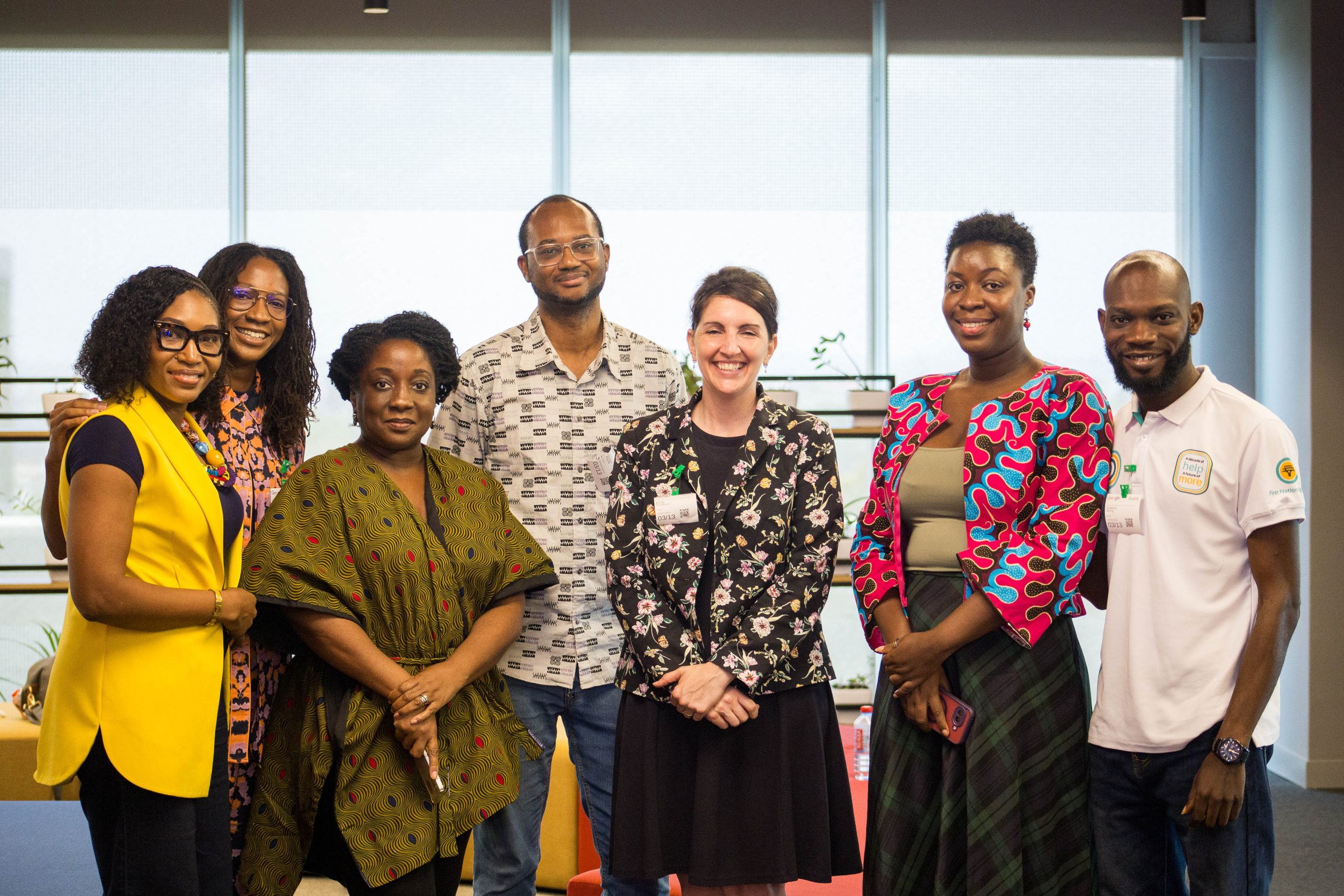
ACCRA, GHANA — The Google AI Community Center in Accra hosted conversations on artificial intelligence and gender, as the Women and AI event brought together entrepreneurs, legal experts, and technologists for a full day of panels, presentations, and dialogue. The event was held in collaboration with First National Bank and Tech in Ghana.
Organised by Tech Labari, Ghana’s premier tech news media publication, the event drew an audience of professionals, students, and advocates united by a shared question: what does the future of AI look like when women are not just users, but architects?
Panel Discussions and Presentations
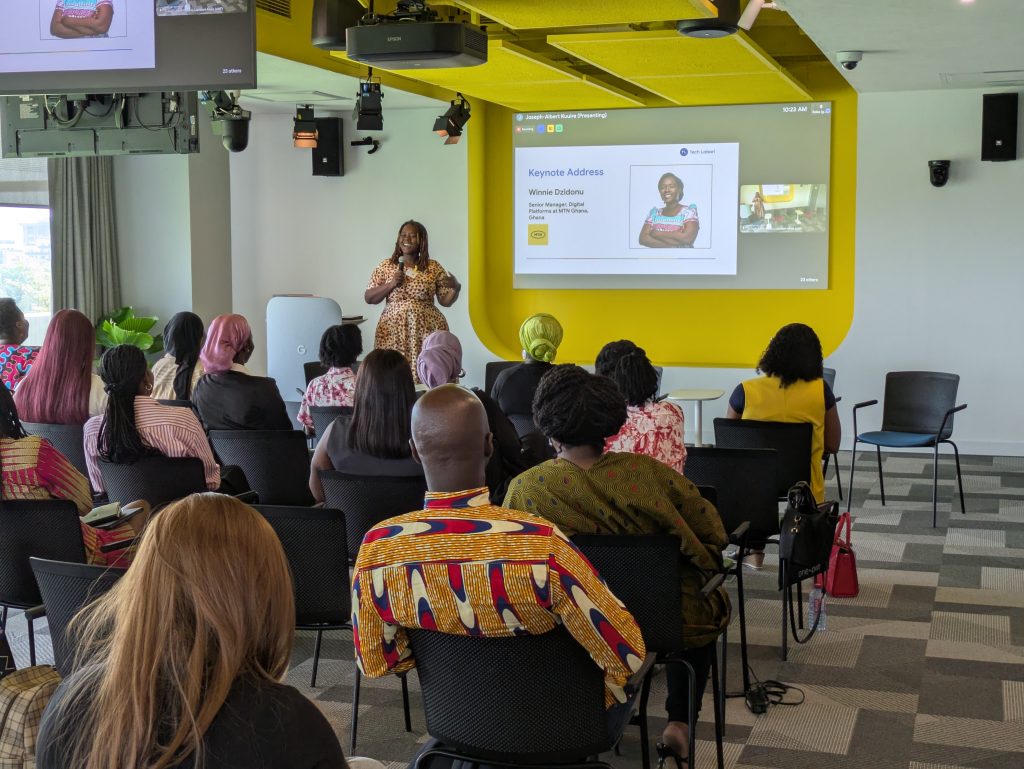
The event was kick-started by Winnie Dzidonu, Senior Manager, Digital Channels & Product Innovation at MTN.
The event’s opening panel tackled the stubborn realities of the “leaky pipeline” in Ghana’s tech sector — the pattern by which women who enter STEM degree programmes at institutions like KNUST and Ashesi University fail to reach C-suite or leadership positions at scale.
Moderated by Akua Nyame-Mensah, the panelists featured Winifred Kotin (CEO of Eagle Innovations), Emily Fiagbedzi (AI Startup Program at MEST Africa), and Amma Gyampo (CEO of Ghana Capital Venture Association)
They examined the structural and cultural barriers driving that attrition, and distinguished between mentorship — widely discussed — and sponsorship, which involves advocates opening closed doors on behalf of others.
A second panel session examined the Ethics and Governance of AI Frameworks in Ghana.
The panelists included Doris Kafui Anson-Yevu (CEO of Kraado), Marie-Reine Seshie (Founder of Kola Market), Vanessa Kofinti (Legal Officer at FIDO), and were moderated by Prince Ganaku
The afternoon’s ethics panel confronted what speakers described as an “inclusivity gap” in the policy spaces where AI rules are being written.
Panelists challenged the dominance of external frameworks — including the EU AI Act and US standards — as the de facto benchmarks for governance in Africa, and called for a distinctly Ghanaian framework rooted in local legal traditions and societal values.
The discussion also addressed “data colonialism”: the risk that data collected from Ghanaian citizens flows outward to benefit global tech companies rather than the communities that generated it.
Speakers proposed that civil society and female legal professionals must be embedded in policy drafting processes if the resulting frameworks are to reflect the full population.
The final panel session of the day discussed the Protection of Women from Algorithmic Harm.
The panel featured Jessie Abugre (Co-founder at Zuputo), Rashida Musa (AI Integration Specialist), Dr. Aurelia Ayisi (Ph.D.) (Lecturer at University of Ghana), and was moderated by Enyonam Damesi (Communication Specialist and Event and Partnership Lead at Tech Labari).
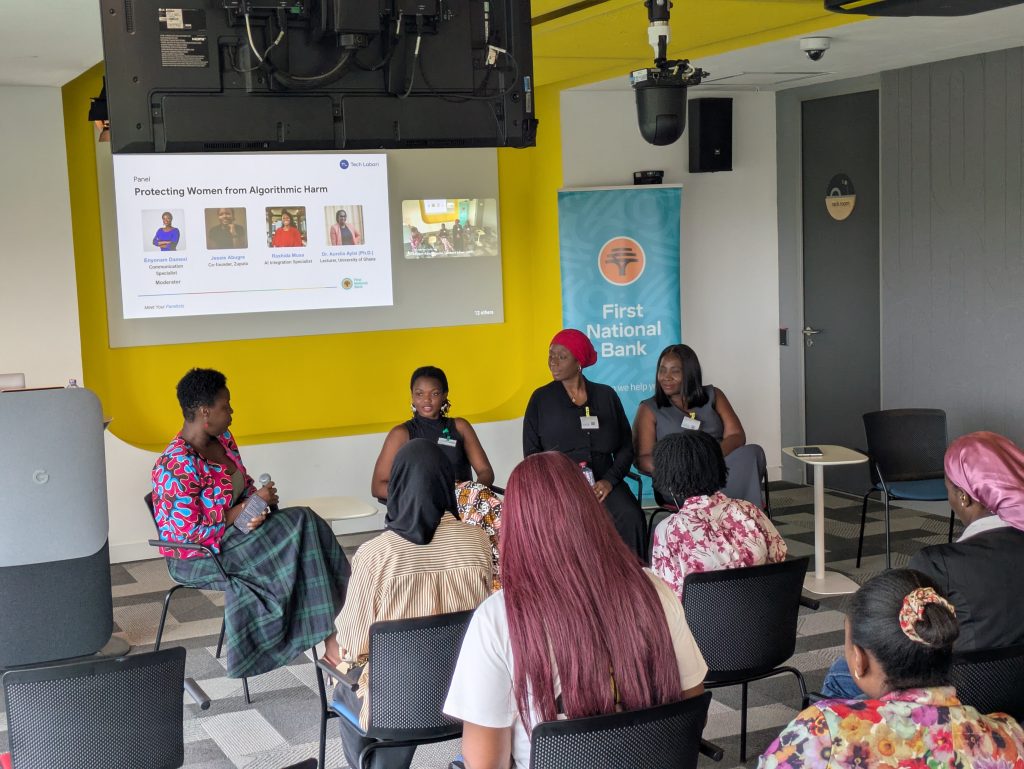
Panelists examined the rise of AI-generated deepfakes and non-consensual intimate imagery and also spoke about data protection laws and how citizens should be aware of how their data is used.
In between sessions, there were presentations from Emily Fiagbedzi on how women can get into tech without learning to code.
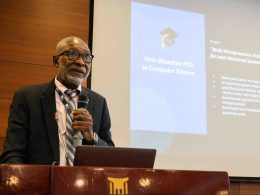
Akwasi Asare, an AI engineer from Khaya AI, spoke about the bias of AI, especially how it tends to discriminate against women.
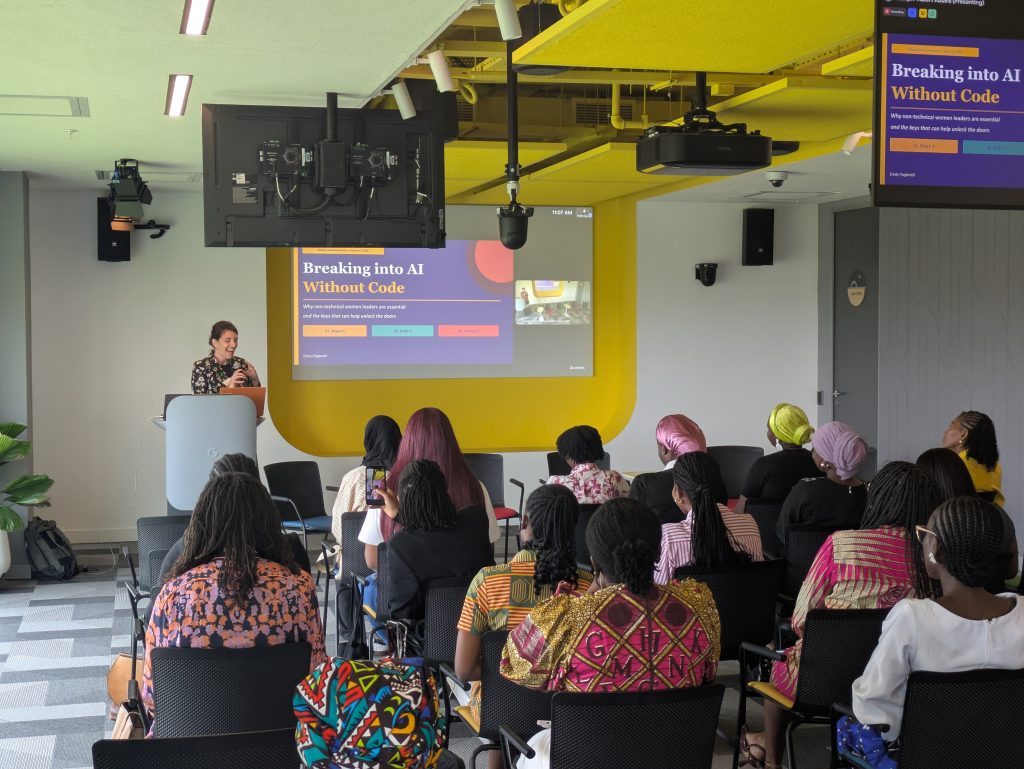
One of the audience members, Ama Dadson, founder of Akoo Books, came out with high praise for the event. “We also came away with powerful insights into the one thing African women should know about AI today that could most change their future opportunities“, she said.
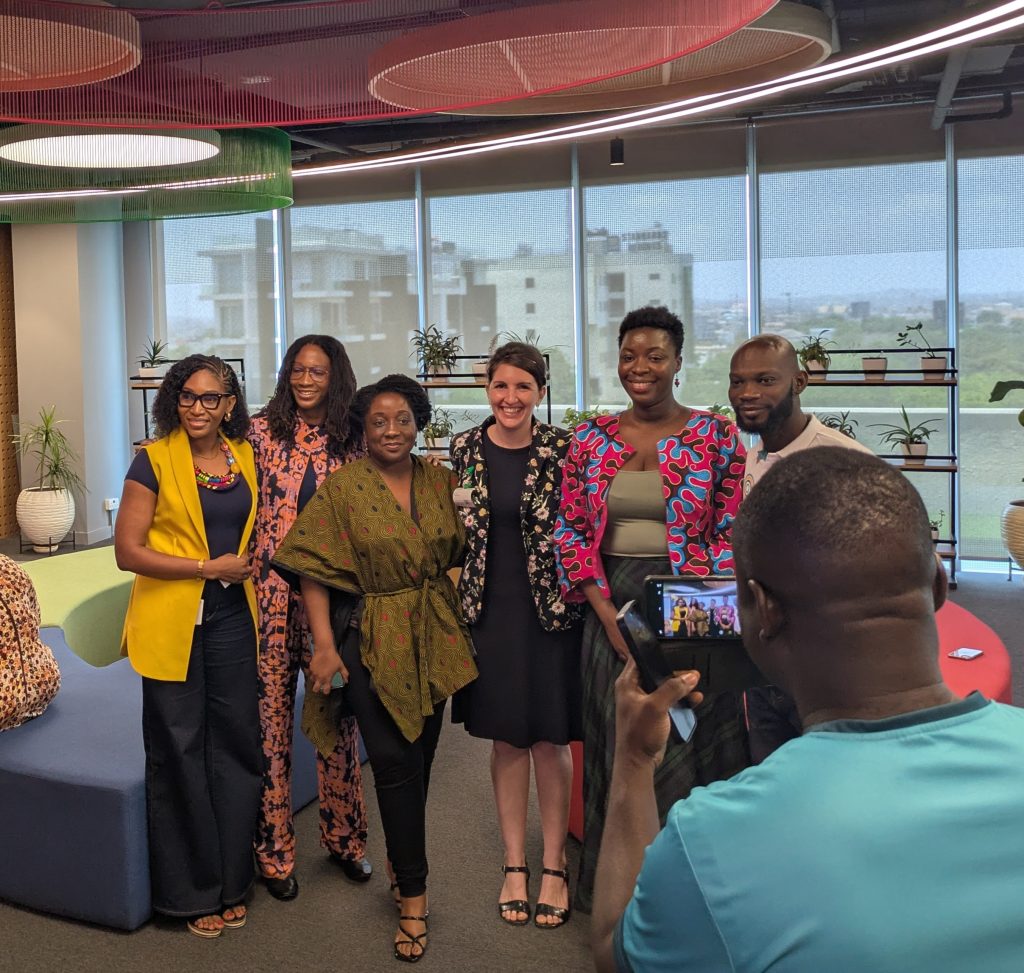
Photos from the event. Photo Credit: Ivy Exornam Gbeze