



For years, satellite communication companies operating in Kenya got in relatively cheap. A Satellite Landing Rights license ran a flat $12,500 — roughly KES 1.6 million — and that was largely that. No complex fee structures, no turnover-linked obligations. It was a simple entry ticket into one of East Africa’s most connected markets.
That era is over.
The Communications Authority of Kenya this week published its Revised Telecommunications Market Structure for 2026, and the changes are significant.
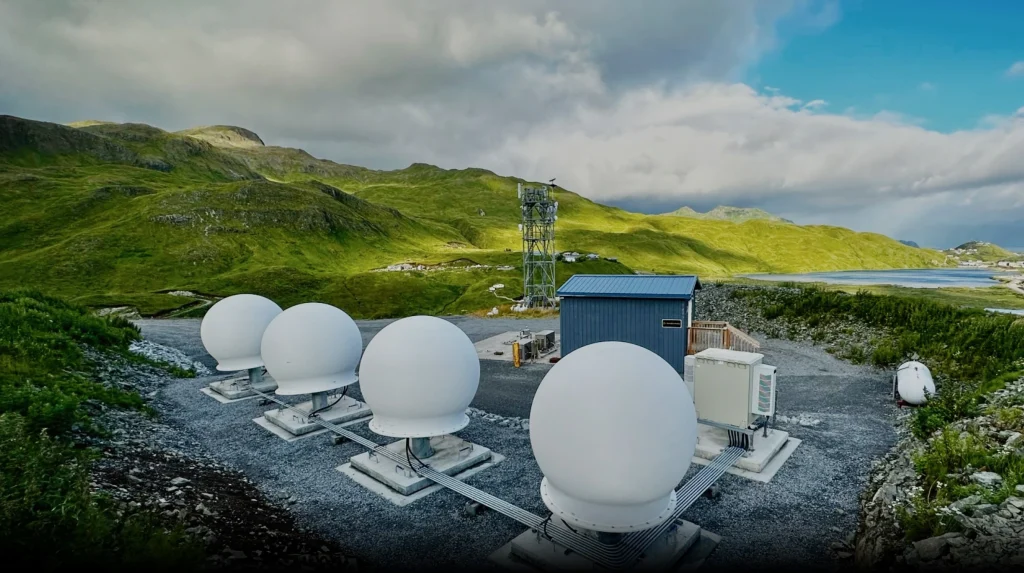
Companies that beam signals into Kenya from orbit — including Elon Musk’s Starlink — will now need an International Gateway Systems and Services (IGSS) license.
That license starts at KES 15 million for a 15-year term, or KES 45 million for 25 years. On top of that, there’s an annual operating fee pegged at 0.4% of gross turnover, with a floor of KES 4 million — meaning even operators with modest revenues won’t catch a break.
The math is stark: the minimum cost has jumped nearly tenfold overnight, and at the higher tier, nearly 28 times what these firms previously paid.
A Second License May Also Apply
The overhaul doesn’t stop at the IGSS. The CA is also rolling out a separate Landing Rights Authorization license for any company transmitting signals into Kenya via satellite or submarine cables. That one costs $25,000, plus a $500 application fee.
Depending on the nature of a company’s services, it may need both licenses simultaneously. Satellite operators offering broadband internet could find themselves navigating two separate licensing tracks, each with its own fees and conditions.
Why Starlink Is at the Center of This
Starlink has operated in Kenya since 2023 and currently holds about 0.8% of the local internet market, ranking it ninth among the country’s ISPs.
That might seem modest, but Starlink’s arrival rattled the industry enough that Safaricom — Kenya’s dominant telecom operator — formally petitioned the CA to revoke its license, citing claims of illegal connections and network interference.
The regulatory overhaul was first floated in December 2024, shortly after that petition, and the timing was not lost on observers. The CA has not linked the two events publicly, but the sequence is hard to ignore.
What’s changed since then is that Safaricom has reversed course entirely. Rather than fighting Starlink, the company is now planning to use its network to reach remote areas it has struggled to serve with ground infrastructure.
What Starlink Actually Needs the License For
The most immediate pressure on Starlink isn’t its existing broadband service — it’s what comes next. The company needs the IGSS license specifically to launch its direct-to-cell service in Kenya, which forms part of a broader deal with Airtel spanning 14 African markets.
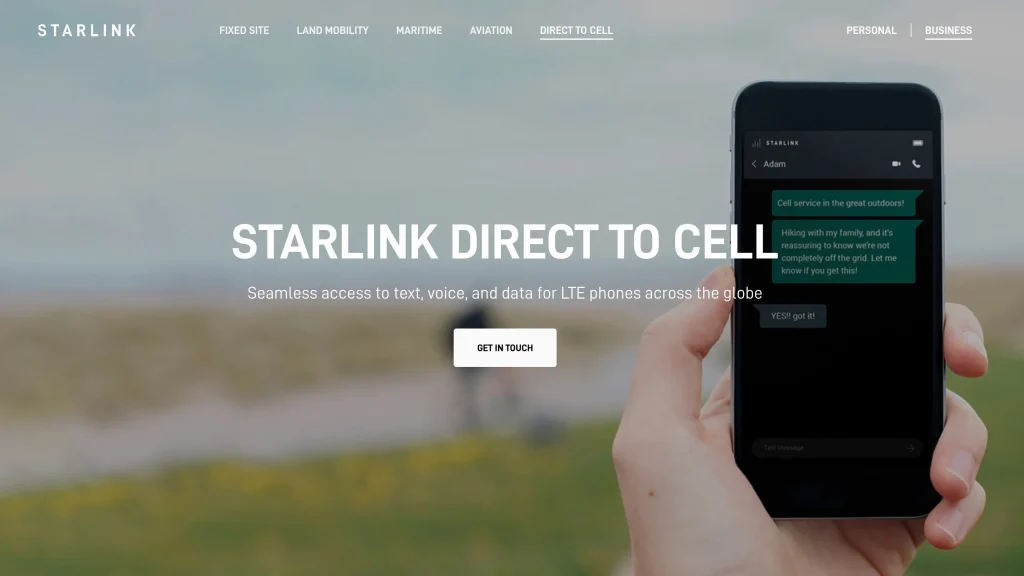
Direct-to-cell is Starlink’s bet on connectivity without any hardware investment from users. The service bypasses the need for a Starlink dish entirely, connecting standard mobile phones directly to satellites in low Earth orbit.
The first phase will cover internet-based messaging through apps like WhatsApp, with voice calls and traditional SMS expected to follow by 2028.
That timeline now runs directly through the CA’s new licensing process.
Broadcasters and Telcos Are Also Affected
The changes extend well beyond Starlink. Satellite broadcasters — including MultiChoice, which operates DStv — rely on satellite infrastructure to deliver their signals into Kenya, and they fall under the new framework too.
Regional mobile operators using satellite backhaul for remote coverage face similar requirements.
The CA has not yet published a specific transition timeline for existing licensees, leaving companies to assess whether their current authorizations remain valid while the new framework takes effect.
Source: Techweez