




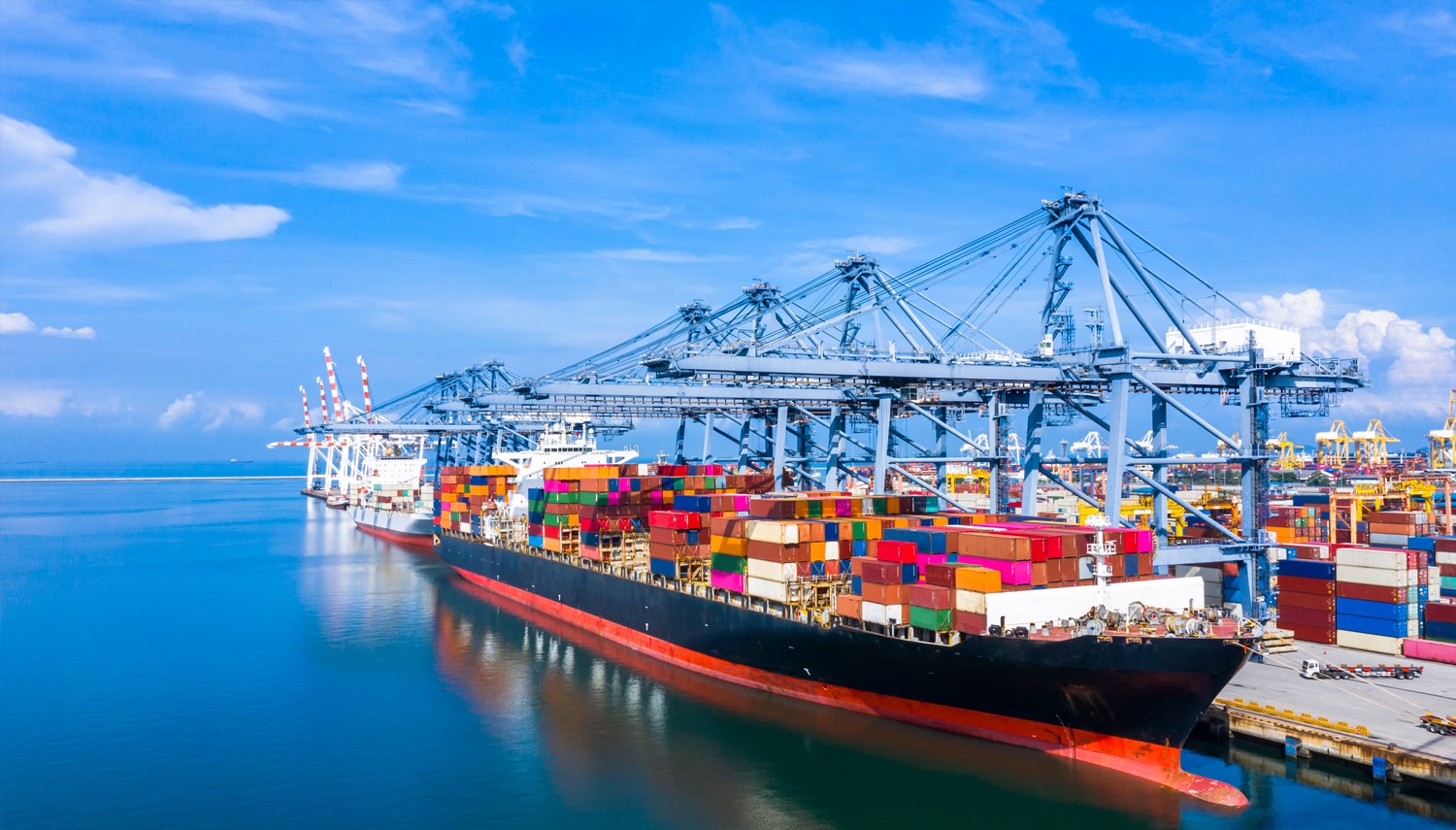
Ghana’s ports have long been a battleground for customs fraud. Importers undervalue shipments. Officers look the other way. The state loses money. It’s a story as old as the ports themselves.
But in early 2026, the Ghana Revenue Authority (GRA) decided it had a fix: hand the keys to an algorithm.
The system is called Publican AI — a trade solution platform now mandated as the primary basis for import valuation and clearance at Ghanaian ports, including Tema and Takoradi.
The government’s case for it is blunt: between 2020 and 2025, commercial banks transmitted over $127 billion out of the country, yet only $52 billion worth of physical goods were declared at the border.
The GRA’s Commissioner-General, Anthony Sarpong, put it plainly — a five-year data review found that more than GH¢11 billion in revenue was lost to misclassification, origin fraud, and undervaluation. Publican, he says, is what finally made the scale of the problem visible.
The government isn’t wrong that there’s a problem. The question is whether this particular solution makes it worse.
How Publican Works — and Why That’s the Issue
Under the Publican system, every import declaration must pass through the AI platform. Its output sets the default benchmark for customs value.
Here’s the critical part: customs officers are prohibited from finalising valuations below what Publican generates. Any figure lower than the AI’s output requires centralised review and sign-off.
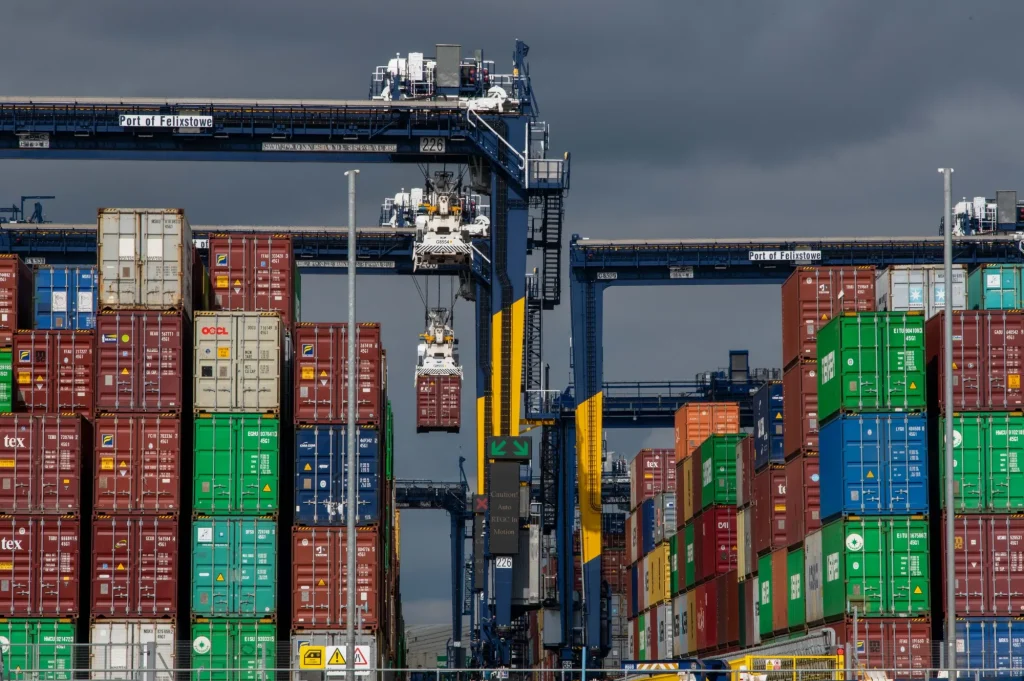
In practice, this means the machine sets a floor. If your invoice says your shipment of electrical goods is worth $10,000, but Publican’s algorithm benchmarks similar goods at $15,000, you owe duty on $15,000 — and the burden falls on you to prove the machine wrong.
Critics argue this isn’t just operationally clumsy. It may be illegal. Under the World Trade Organization’s Customs Valuation Agreement, a framework Ghana is formally bound by, the primary basis for customs taxation must be the transaction value: the actual price the buyer paid.
Creating a mandatory AI-generated minimum effectively turns that international standard on its head.
A Coalition Pushing Back
The backlash has been swift and broad. The Ashanti Business Owners Association called for an immediate suspension of the rollout in a March 31 press release, warning of “serious risks to trade, transparency and the broader economy.”
Their central grievance: Publican operates as a “black box.” Importers cannot see how the AI arrives at its figures, which makes challenging a valuation almost impossible.
“Without clear justification or a standardised appeal mechanism, businesses are left vulnerable to unnecessary financial burdens,” the association warned.
Freight forwarders and traders at the ports have similarly raised alarms about arbitrary and inflated valuations that are squeezing working capital — particularly for small and mid-sized importers who lack the legal resources to mount a serious challenge.
The Government’s Defense
The GRA isn’t backing down. In February alone, Publican reviewed over 6,000 import declarations. Seventy-five percent passed without issue, Sarpong noted — a figure the authority uses to counter claims that the system flags everything indiscriminately. The remaining 25 percent, the GRA argues, is precisely the problem it was built to catch.
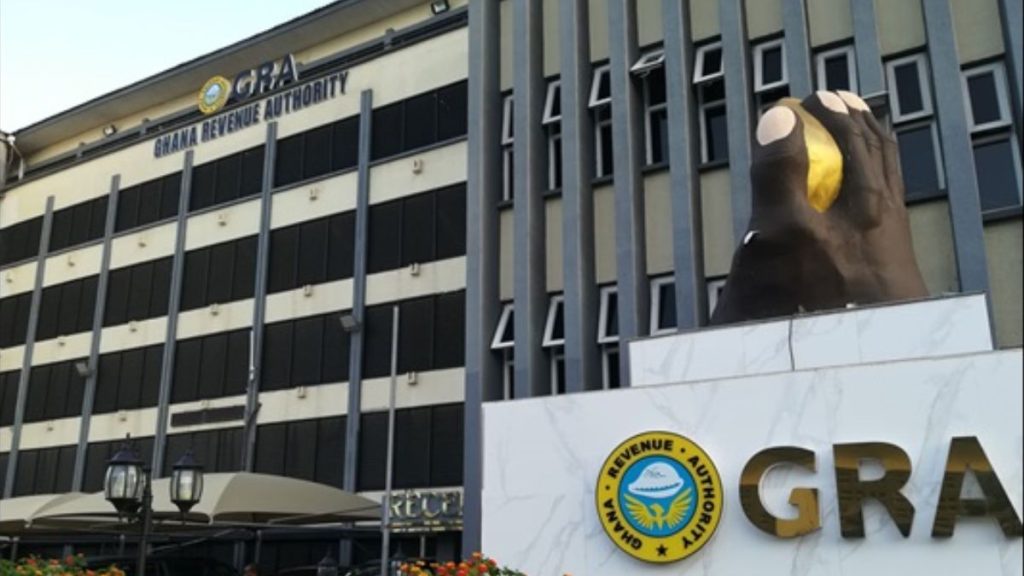
Deputy Finance Minister Thomas Nyarko Ampem has been even more direct, stating the AI is generating an average of $3 million a day in additional revenue — projecting close to a billion cedis a month.
The Importers and Exporters Association of Ghana (IEAG), which raised its own concerns as recently as December 2025, changed course in April.
In a statement, the association’s Executive Secretary said the earlier objections had been addressed through “constructive engagements” with the GRA. The IEAG now “unequivocally” supports the system, citing expected gains in revenue mobilisation and a reduction in unethical port practices.
A Global Cautionary Tale Playing Out in Real Time
Ghana is not the first country to try this. India’s Turant Customs system and Brazil’s SISAM machine-learning platform launched with identical ambitions — and ran into identical walls.
In both cases, the international trade community pushed back against algorithms generating reference prices that ignored actual invoiced transactions. Both countries ultimately walked back the binding nature of their AI outputs, repositioning the technology as a risk assessment support tool rather than an enforcement authority.
That’s exactly what Ghana’s critics are asking for now: a hybrid model where Publican flags suspicious declarations and human customs officers make the final call, within the bounds of WTO law.
The Stakes
The fundamental tension here isn’t really about technology. It’s about what automation does to accountability. When a human customs officer makes a bad call, there’s a person to challenge, a face to the decision, a chain of responsibility. When an algorithm does it, the answer is a figure on a screen with no explanation attached.
Ghana has a genuine revenue problem at its ports, and AI may well be part of the solution. But deploying it as a binding authority — rather than a tool to support human judgment — risks trading one kind of unfairness for another. The old system was corrupt. The new one may simply be unappealable.