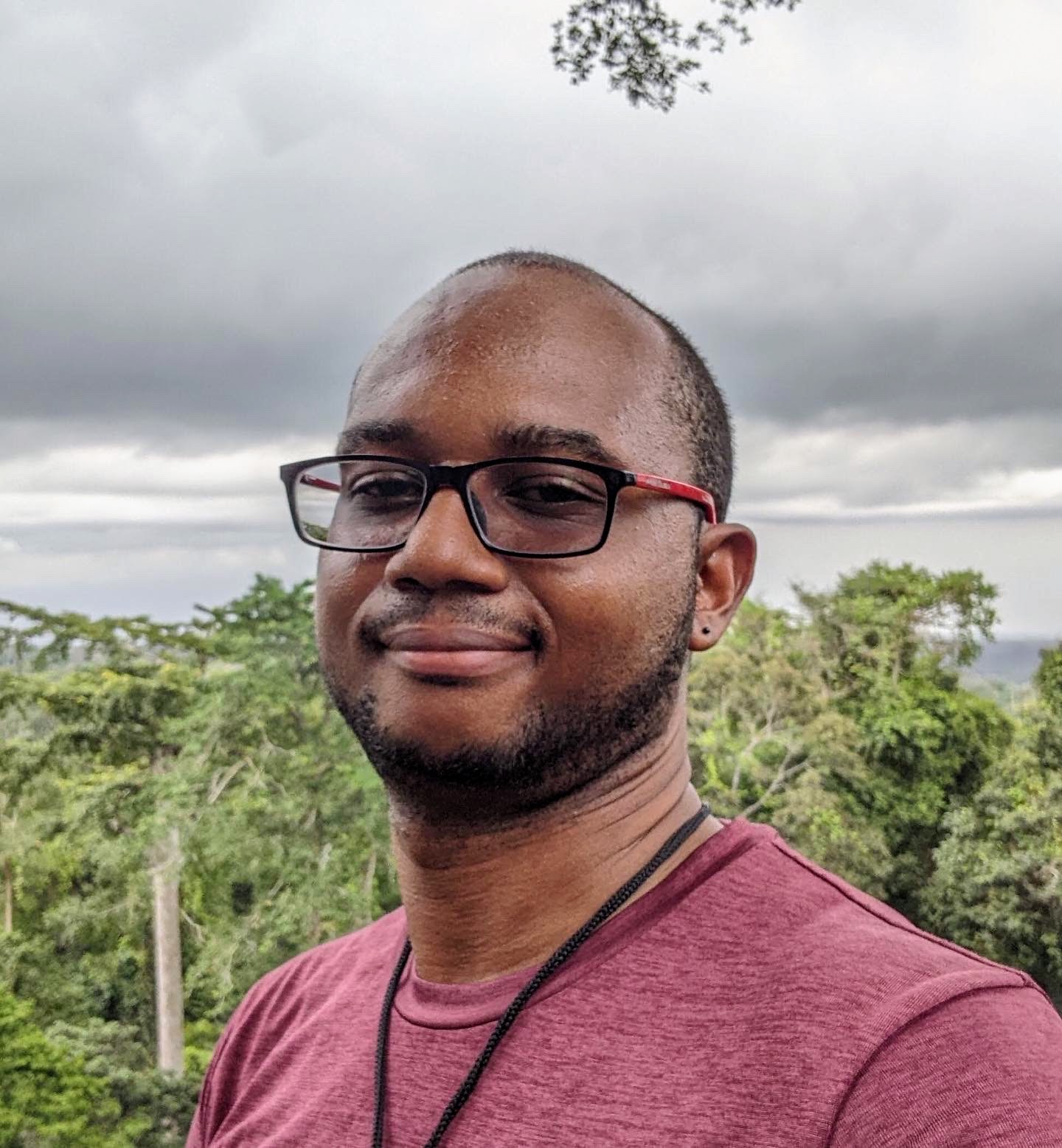





By the time most teenagers are sweating sophomore finals, Aubrey Niederhoffer was already running a company in Nigeria.
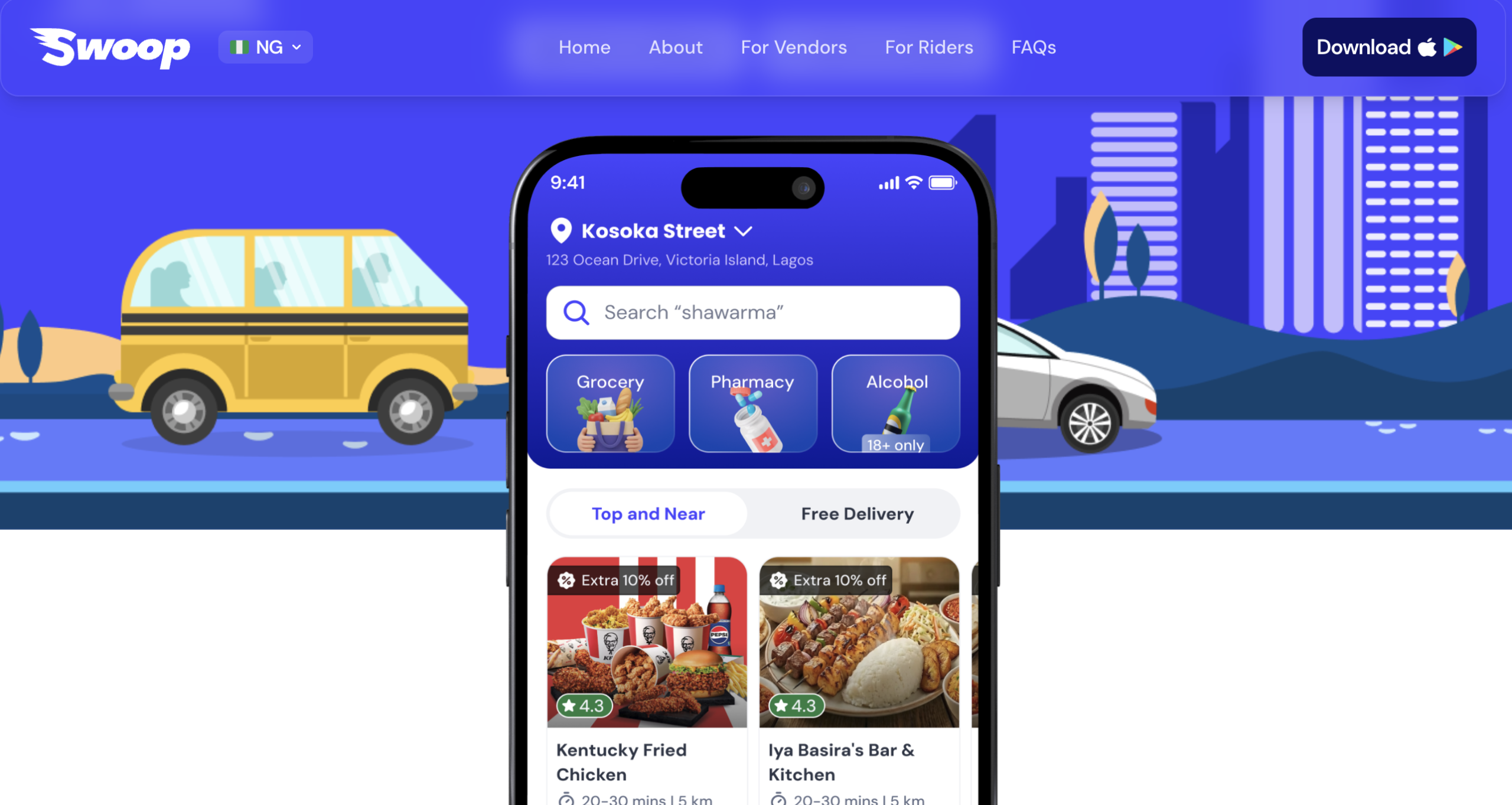
The 19-year-old from the New York area is the founder of Swoop, a food delivery app now live in Lagos — and this week, he closed a $7.3 million seed round and landed a spot in the prestigious Thiel Fellowship.
From Geoguessr to Lagos
Niederhoffer’s path to Lagos began, improbably, with an online geography game. He grew interested in Africa while playing Geoguessr as a tween, and by 15, had launched a recruiting company focused on the labor market in Eswatini, a small landlocked country in southern Africa. He visited the country during school breaks.
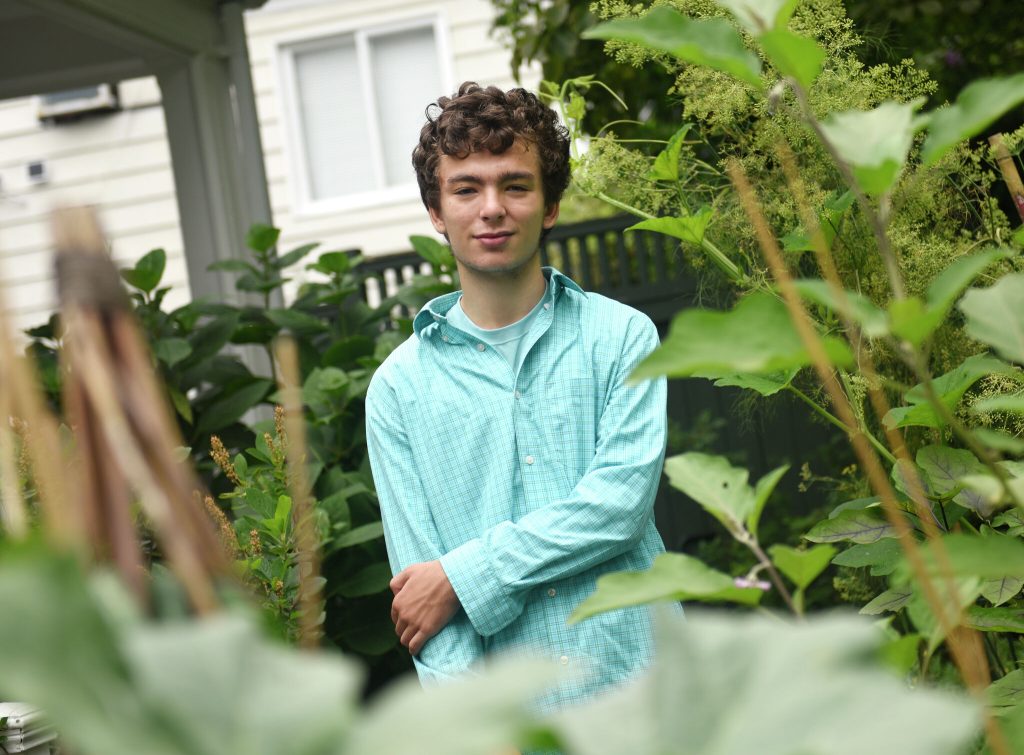
By the time he got to UC Berkeley, he had already shut the recruiting company down and was laying the groundwork for Swoop. After debuting the food delivery app in Eswatini the summer after his freshman year, he decided to drop out and pursue the business full-time.
That decision got a major endorsement. The Thiel Fellowship — founded by billionaire investor Peter Thiel in 2011 — offers young people $250,000 to skip or leave college and build new things.
Alumni include Figma co-founder and CEO Dylan Field and Ethereum co-creator Vitalik Buterin. Being named a fellow puts Niederhoffer in rare company, and gives him both capital and credibility to operate at a speed most startups can’t match.
Why Lagos, Why Now
In the fall of 2025, Niederhoffer relocated the business to Lagos. Using AI tools, his team rebuilt the entire codebase from scratch in preparation for an updated version of the app, which went live this month.
The choice of Lagos is deliberate. Nigeria is Africa’s most populous country and its largest economy, with a dense urban population hungry for digital services. Food delivery in particular has been growing fast across the continent, but Niederhoffer isn’t building a food delivery company. He’s building infrastructure.
Swoop’s backers include Long Journey, Variant, Version One, Dune Ventures, and Soma Capital — a cross-section of funds that suggests investors are buying the broader thesis, not just the delivery vertical.
The Super App Play
The term “super app” gets thrown around loosely in tech, but the model is proven. Niederhoffer draws direct inspiration from Asian markets, where platforms like Kaspi and WeChat have become the default layer for marketplace services, payments, and everyday life.
His ambition is to replicate that stack for African consumers — starting with food, then layering in payments and other services.
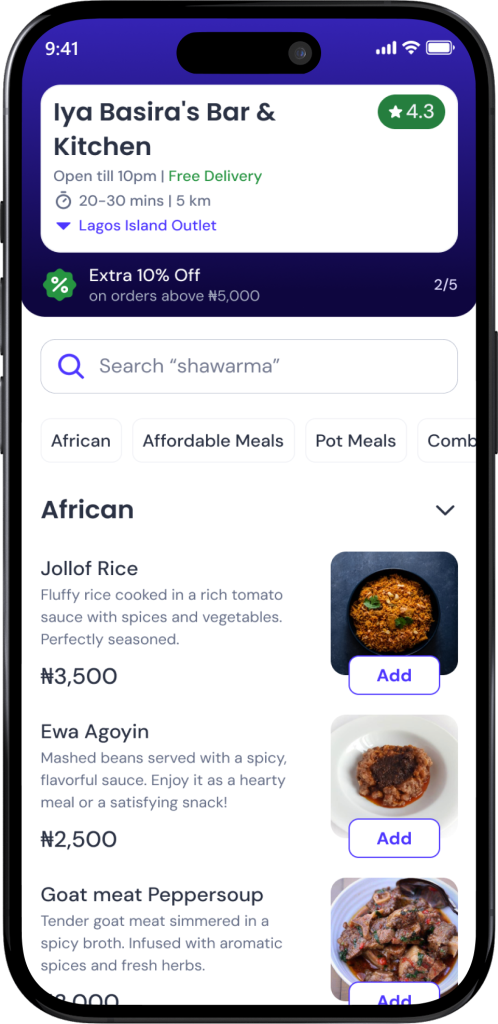
The underlying logic has real teeth. “In Africa, there’s no legacy banking infrastructure. You’re competing with other fintechs. Essentially, you’re not competing with credit cards,” Niederhoffer said. “Those are not popular, and there’s huge opportunity.”
Across much of the continent, traditional banking penetration is low, but mobile phone adoption is surging. The consumer financial layer is still up for grabs, and whoever builds the trusted daily interface has a shot at owning a massive slice of it. Swoop’s plan is to use food delivery as the wedge: get users to open the app daily, then give them reasons to stay.
The Hard Part Comes Next
The funding and fellowship are validation, but Swoop is still a very early-stage company navigating one of the world’s most complex operating environments. Lagos is a city of extreme logistics challenges — traffic, infrastructure gaps, and unpredictable weather all complicate last-mile delivery.
Niederhoffer acknowledged that Swoop has only operated in fair weather so far, leaving open how the service would hold up in a rainstorm. For now, the team is focused on onboarding restaurants and scaling up staff — the unglamorous blocking-and-tackling that determines whether a startup survives contact with reality.