





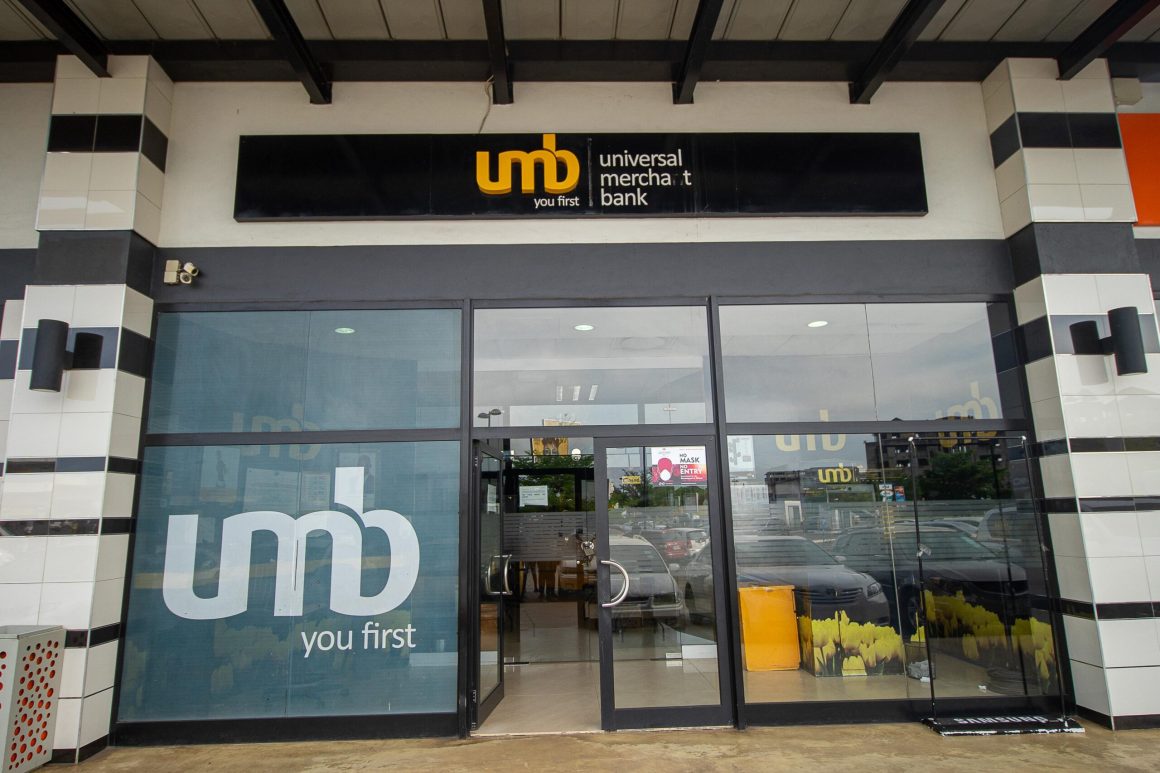
Universal Merchant Bank (UMB) has become the first bank in Ghana to receive joint approval from the Bank of Ghana and the Securities and Exchange Commission to offer virtual accounts to businesses in the country’s virtual asset sector.
The approval lets UMB open regulated banking channels for crypto and blockchain-linked firms — companies that have historically struggled to access mainstream banking in Ghana, as in many markets, due to compliance risk.
The bank framed the move as both a regulatory milestone and a strategic bet on where the country’s digital economy is headed.
A Narrow Opening, Not a Broad Launch
Despite the “first” framing, the announcement leaves out details that would clarify how significant this actually is in practice. UMB has not disclosed which businesses qualify, what compliance or capital thresholds apply, or when the service becomes available to customers.
The bank describes the offering as subject to “applicable regulatory requirements and eligibility criteria” without specifying what those are.
That matters because Ghana still lacks a comprehensive virtual asset service provider (VASP) law. The SEC has been developing guidelines for the sector, but the regulatory framework UMB is operating under is still being built. An approval to participate is not the same as a fully defined market to operate in — and it’s unclear how many virtual asset firms currently meet whatever bar UMB and regulators have set.
Why Banks Have Avoided This Space
Crypto and blockchain firms have long faced a practical problem: banks generally won’t touch them. The reasons are consistent across markets — anti-money laundering exposure, unclear licensing status and correspondent banking relationships that can be jeopardized by association with virtual assets.
Ghanaian fintechs and crypto exchanges have often relied on foreign banking partners or informal arrangements as a result.
UMB’s approval, if it translates into an actual working product, would give these businesses a first legitimate on-ramp to domestic banking. That’s a real gap in the market. But being first to get regulatory sign-off is different from being first to deliver a functioning product businesses can use — and UMB’s announcement is notably light on the latter.
Timing Tied to a Recapitalization
The announcement lands months after the Ghana Amalgamated Trust completed UMB’s recapitalization in July, a deal Finance Minister Dr. Cassiel Ato Forson confirmed at the time. That capital injection gives UMB more room to pursue new business lines, and the virtual asset approval fits a pattern of the bank publicizing growth initiatives following its recapitalization.
UMB has also been building out digital banking products, including its SpeedApp mobile platform and internet banking services, positioning digital infrastructure as central to its strategy under CEO Dr. Philip Oti-Mensah, who has led the bank’s transformation push since taking over.
The Competitive Picture
UMB is describing itself as first, but the claim is really about first movers among licensed Ghanaian banks in this narrow, dual-regulator category — it isn’t the first financial institution in Ghana to touch virtual assets more broadly.
Fintechs and payment platforms have operated in adjacent spaces for years, often without explicit regulatory blessing, and larger banks in Ghana have generally stayed on the sidelines pending clearer rules.
If the SEC’s virtual asset framework matures and other banks pursue similar approvals, UMB’s first-mover advantage could be short-lived — a familiar pattern in African fintech, where regulatory certification tends to be followed quickly by competitors once the process is proven.
Regionally, Nigeria’s central bank has taken a more adversarial posture toward crypto exchanges over the years before recently loosening restrictions, while Kenya and South Africa have moved further along in licensing virtual asset providers. Ghana’s approach — regulators granting case-by-case approvals to individual banks — is comparatively cautious, and UMB’s approval reflects that incremental posture rather than a wholesale regulatory opening.
What to Watch
The real test of this approval will be operational, not regulatory: how many virtual asset businesses actually qualify, how quickly UMB onboards them, and whether the eligibility criteria prove restrictive enough to make this more symbolic than substantive.
Ghana’s SEC has signaled it wants “responsible participation” from banks entering this space, according to comments from an SEC official cited in the bank’s announcement — language that suggests regulators intend to keep a tight leash on how fast the sector expands.
For now, UMB has a regulatory first and a strategic narrative. What it doesn’t yet have, at least publicly, is a defined product, a launch date, or a disclosed customer base.