




Amazon has never been a company that moves slowly once it decides to move.
On Wednesday, it launched Amazon Prime in South Africa — the 27th country to get the full membership treatment — bundling free same-day delivery, Prime Video streaming, and cloud gaming under a single subscription priced at R59 a month, or R399 a year.
That works out to roughly $3.60 a month.
The service comes with a Prime Day announcement — Amazon’s flagship shopping event will run from June 23 to 29, available exclusively to Prime members, and marks the first time Prime Day has come to South Africa.
The Bundle Play
The Prime architecture is the same one Amazon has refined across 26 other countries: get consumers hooked on fast delivery, then layer on enough additional value to make cancellation feel irrational.
Prime members in South Africa get unlimited free same-day delivery on orders placed before midday in Cape Town, Johannesburg, and Pretoria — with no minimum spend — alongside next-day delivery, Prime Video, and Amazon Luna cloud gaming.
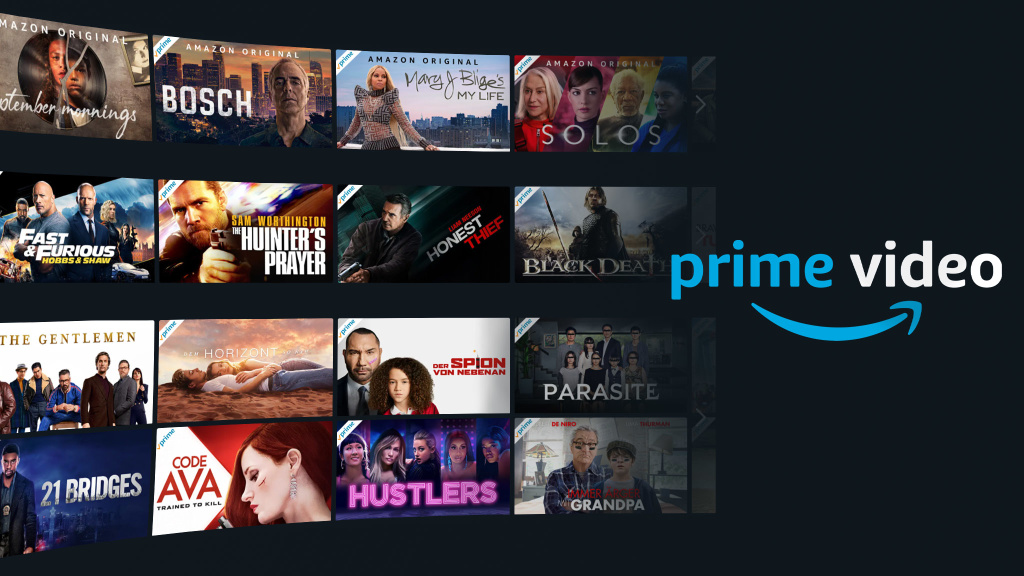
At R399 a year, it’s deliberately priced to feel trivial. That’s notably cheaper than what Prime Video alone was costing South African subscribers — R79 per month — meaning the delivery, gaming, and shopping perks are effectively free add-ons for existing streamers.
It’s a classic Amazon margin-compression move: undercut the standalone product to make the bundle irresistible.
The content angle also has a local dimension. Prime Video’s library for South African members includes local productions like Rise: The Siya Kolisi Story, signalling an effort to build cultural relevance rather than just dump a global catalogue on the market.
Two Years of Groundwork
Prime didn’t land in a vacuum. Amazon’s 2024 South Africa entry was methodical by design. The company began with a small product range, concentrating on independent sellers to understand local consumer preferences, before steadily expanding its category footprint.
By 2025, Amazon had moved into high-frequency categories like groceries and pet food, placing it in more direct competition not just with Takealot but with rapid delivery services like Checkers Sixty60.
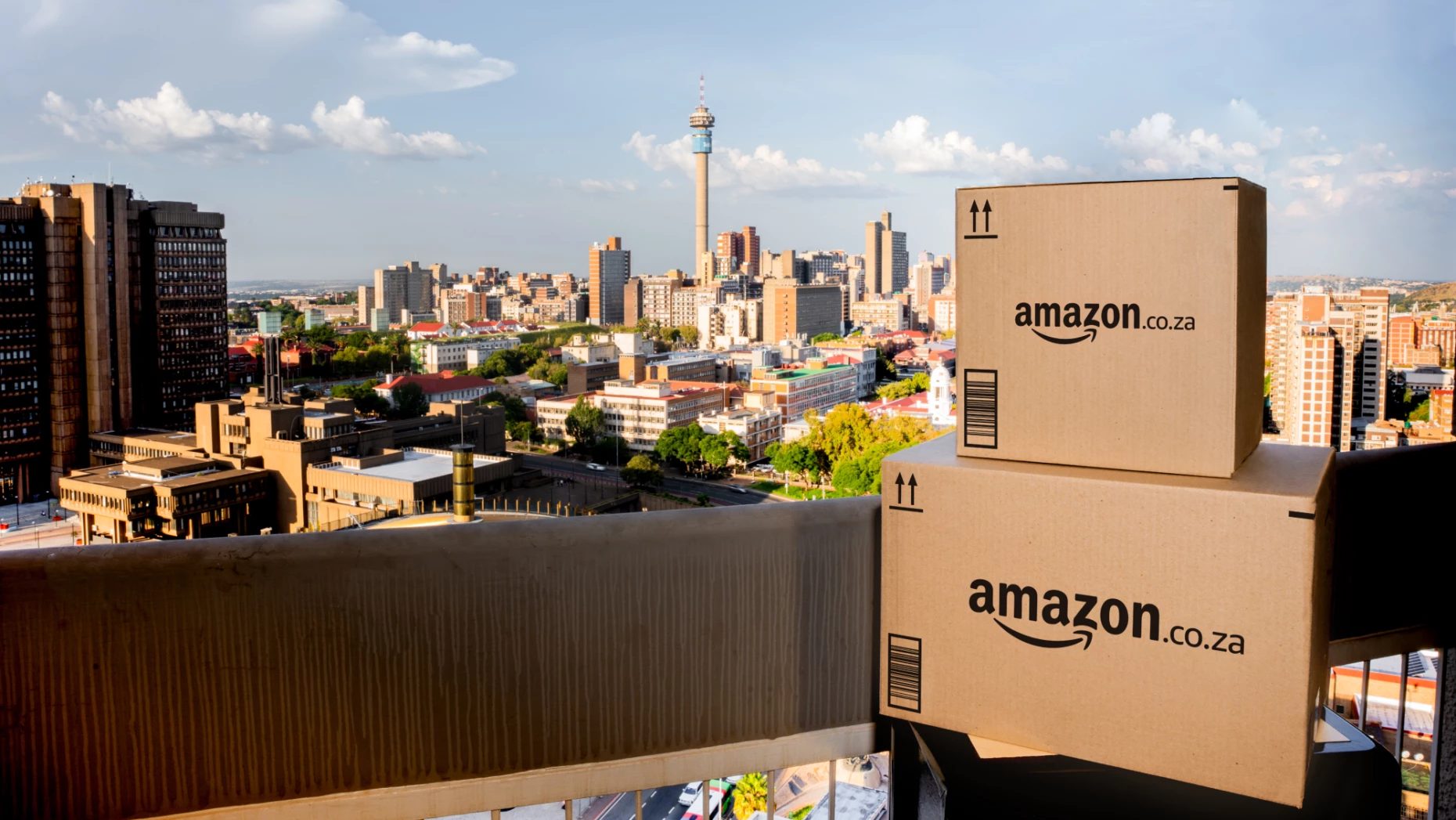
The logistics infrastructure followed the same patient logic. Amazon expanded its pickup point network across the country and introduced same-day delivery in major metros, including Johannesburg, Cape Town, and Durban.
Prime now monetises that infrastructure investment — turning the delivery network from a cost centre into a membership retention engine.
Takealot’s Answer
South Africa’s incumbent e-commerce leader isn’t panicking — at least not publicly. Prosus CFO Nico Marais said in an interview with Reuters that Takealot’s performance over the past year had come in “ahead of expectations,” and that the company had invested in its marketplace to prepare for competition — noting, crucially, that Amazon had expanded “probably not at the speed we originally expected.”
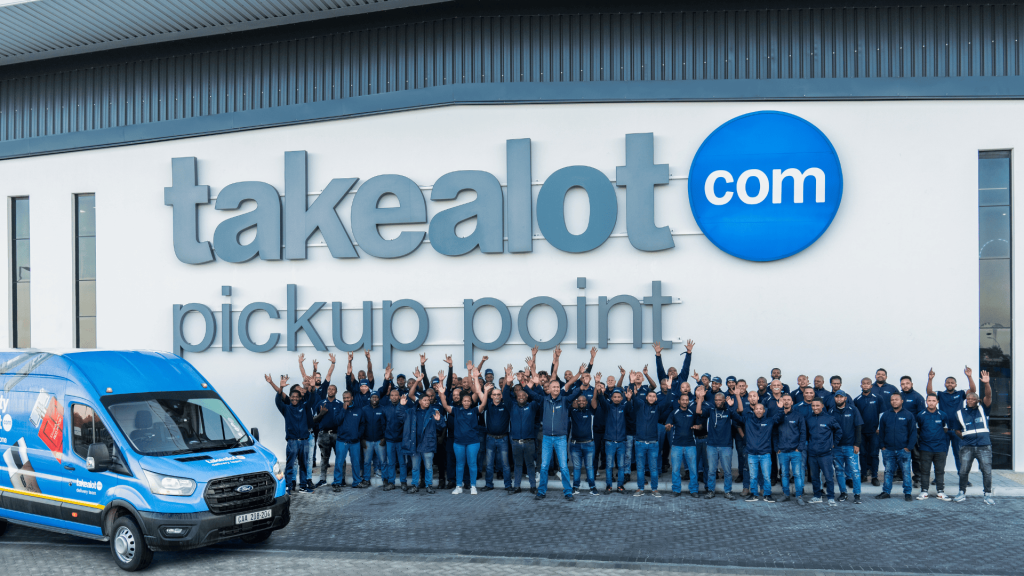
Takealot generated $1.48 billion in GMV in 2025, ranking it first in Africa by that metric, and its loyalty programme TakealotMore remains a meaningful retention tool.
But Prime’s pricing changes the calculus for fence-sitters. The broader competitive dynamic is familiar: because Amazon offered free, fast delivery in every market it entered, everyone else had to follow — and South Africa is no exception, with Takealot having already introduced its own next-day delivery service in anticipation of Amazon’s arrival.
The Bigger Signal
outh Africa has seen a boom in online retail in recent years, with local players like Shoprite launching on-demand delivery services, and the broader African e-commerce market is projected to grow from $40.5 billion to $56 billion by 2029. Prime is Amazon’s bid to own a disproportionate share of that growth — one R59 monthly charge at a time.
For consumers, the short-term picture is simple: prices will get more competitive, delivery will get faster, and the fight for their monthly subscriptions is just getting started. For Takealot, the clock that’s been ticking since May 2024 just got louder.