

By Maina Murage, Principal at Norrsken22
Africa’s two-wheeler market is expected to grow from $3.7 billion in 2024 to $6.5 billion by 2030, and we expect electric motorcycles to take a growing share of this market over the coming years. Three key factors work in the favour of electric motorcycles: lower costs for riders, a strong and differentiated use case, and, of course, lower emissions.
A reduction in greenhouse gas emissions
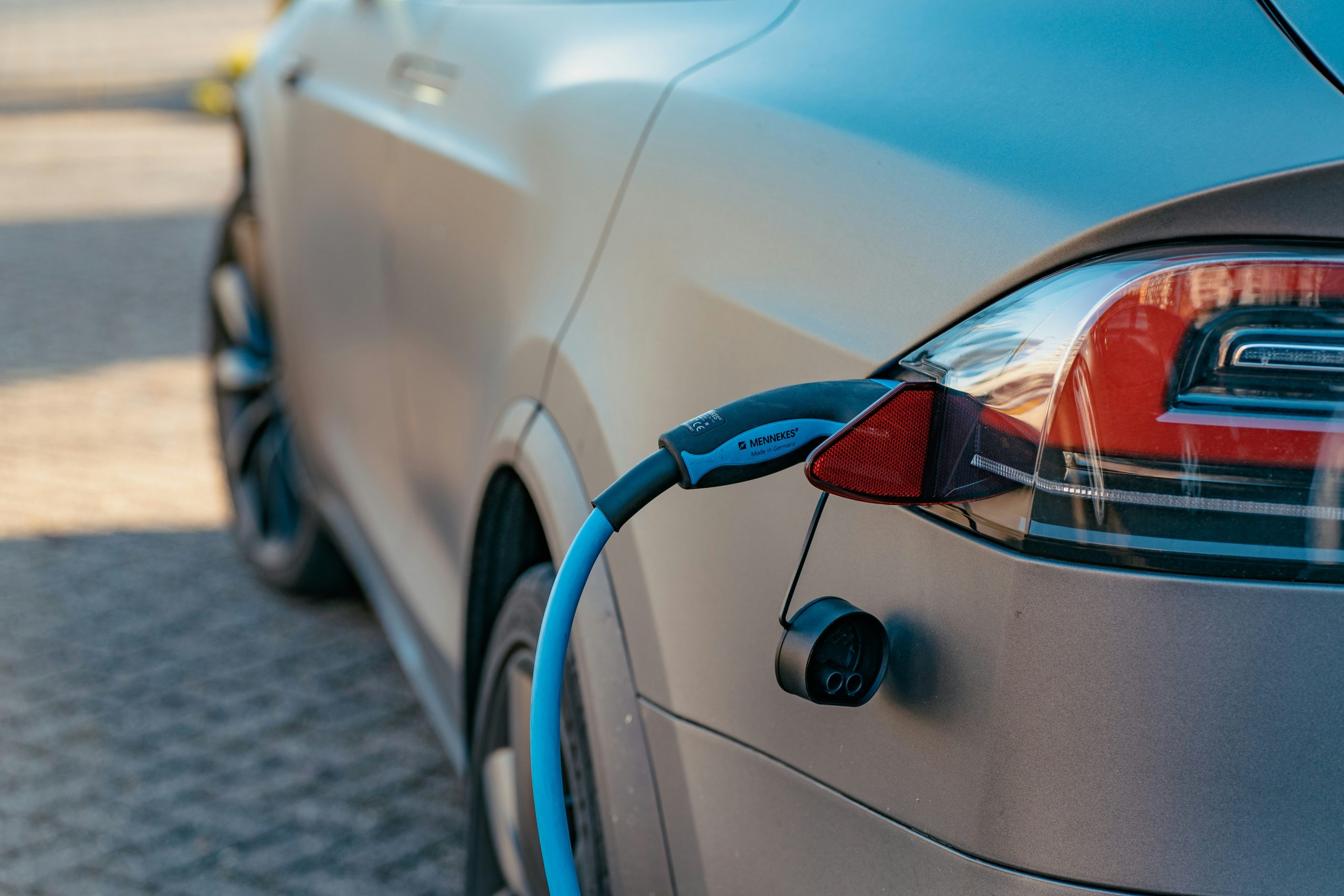
The first and most obvious benefit of a boom in electric vehicles is the associated drop in greenhouse gas emissions. Right away there is a positive impact on pollution levels, which is particularly beneficial in crowded cities.
Of course, the conversation then invariably returns to this question: how green can a vehicle be if the power it runs on still comes from fossil fuels? But what sets Kenya apart in this instance is that electricity production is already incredibly green. In fact, ninety percent of electricity generated comes from green sources such as geothermal and hydro power.
In markets like Kenya, EVs therefore represent a genuine shift toward clean transport. The benefit is smaller where grids still rely on fossil fuels, but it grows as those grids add renewable power.
EVs as a ‘vehicle’ for self-employment
In Europe and the US, most EVs are private cars used for commuting. In Africa, many vehicles are a means for self-employment, whether that be offering a taxi service for passengers, transporting bulk goods or making deliveries.
Users can start earning money independently straight away. And in an environment where there is a lack of public transport infrastructure, motorcycles are often the preferred means of transport to avoid traffic.
The use case in Africa is therefore completely different to that in Europe or the US. E-bikes are a work tool: from the moment a rider leaves home, their bike will be running more or less the whole day, with the only downtime during the wait for their next job.
This is much closer to Asia, where two-wheelers also do commercial work and EV sales are growing fast in markets including Indonesia, Malaysia and Vietnam. If we look to Asia as a good predictor of where sales might go in Africa, the future is bright.
Boosting profit
Ultimately, for the user base, electric vehicles are far more cost-effective than the ICE (internal combustion engine) incumbents, and as such, riders keep more of the money they make in their pockets. ARC Ride estimates that its motorcycles are 30% to 40% cheaper per kilometre than petrol bikes once energy and maintenance costs are included.
This year, Norrsken22 co-led a $33.3 million funding round in ARC Ride with Novastar Ventures. This cost saving was the most prominent consideration in our decision, even above ARC Ride’s green credentials. It gives the clearest reason why a rider would switch from an ICE to an electric bike and, crucially, stay with it.
Right now, the highest barrier to entry is the upfront price, and the battery is the most expensive part of an electric bike. Battery swapping, or Battery-as-a-Service, removes this barrier. The rider buys or finances the bike without the battery and pays per swap or per day for energy.
At a swap station, the rider exchanges an empty battery for a full one in a few minutes and goes back to work. Over the life of the bike, this means that the total cost of ownership of electric vehicles is lower than that of ICE bikes.
What separates the winners
We look for three things in this sector. The first is access to both equity and debt. Batteries and swap stations are long-life assets that suit debt finance. The second is partners. Fleet operators bring demand from the first day, and asset financiers let riders without a credit history own a bike. The third is an open battery standard. A network that serves several manufacturers’ bikes gets more use from each station, and each station earns more.
Riders will choose the machine that earns them the most each day. As battery costs fall and swap networks grow, that machine will increasingly be electric. The companies that build this infrastructure early, and finance it well, will set the standard for the next decade.