




2026 is shaping up to be a “reset” year for Ghana’s infrastructure. From the way we browse the internet to how we pay for road use, the country is doubling down on digitization to fix long-standing inefficiencies.
Here are the five major shifts to watch in the coming year.
1. The 5G Era Finally Arrives (?)

After several delays in 2024 and 2025, Ghana is hoping to finally get its 5G network off the ground. Unlike traditional rollouts where each telco builds its own towers, Ghana is using a neutral shared network model via Next-Gen InfraCo (NGIC).
2. Death of the “Three-Horse Race” (The New Duopoly)

The telecom landscape is shrinking. To create a stronger rival to the dominant MTN (which holds over 70% of the market), the government is considering a merger between AT (formerly AirtelTigo) and Telecel.
By combining AT’s remaining subscribers with Telecel’s infrastructure, the goal is to create a “sustainable competitor” that can actually challenge MTN’s market lead.
3. Canal+ and the Fiber Shake-up
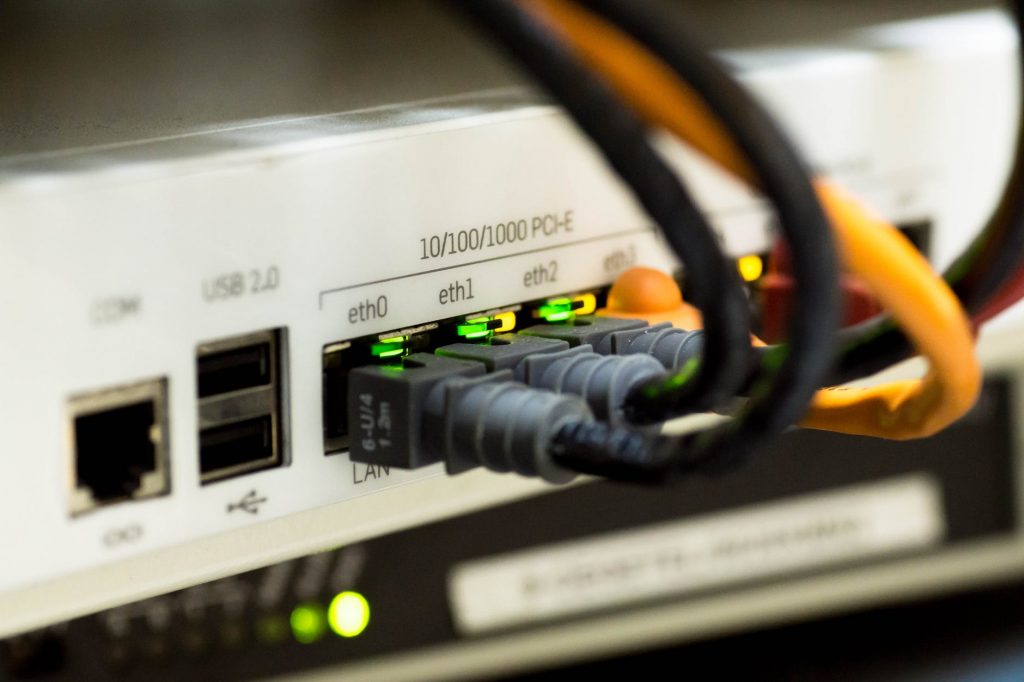
French giant Canal+ (via its subsidiary Group Vivendi Africa) is entering the Ghanaian fiber market under the CanalBox brand.
- The Offering: Unlimited high-speed fiber-to-the-home (FTTH) at what officials call “revolutionary” price points.
- The Big Play: Following its acquisition of MultiChoice (DStv/Showmax), Canal+ plans to bundle internet and premium content.
4. The Return of Tolls (But Make It Digital)
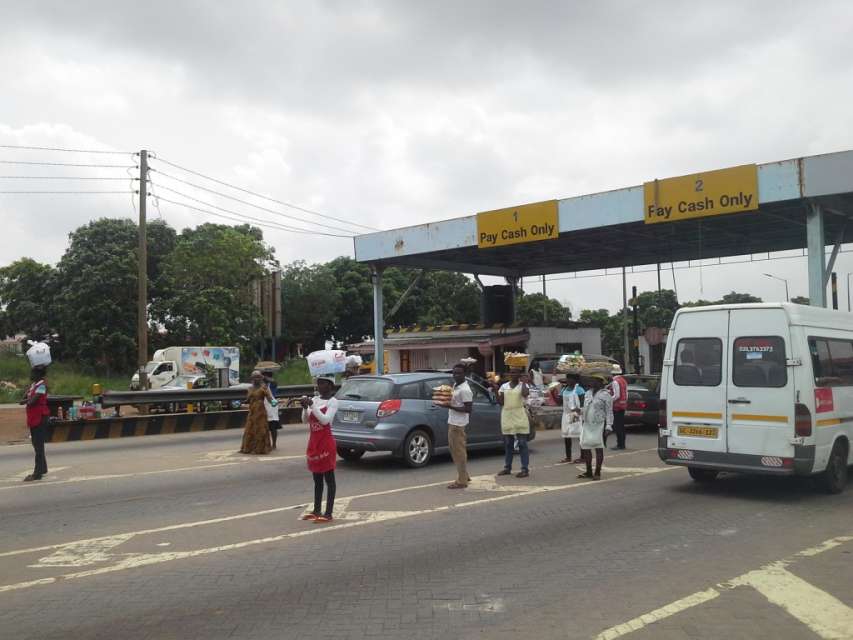
Road tolls are coming back, but the old days of sitting in traffic to hand cash to a collector are over. Starting in 2026, the government is rolling out a booth-less, automated toll system.
- The Tech: All vehicles will begin transitioning to RFID-enabled number plates starting April 1, 2026.
5. EV Growth and the “Charging Corridor”

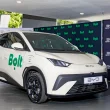
Ghana already has one of the largest EV fleets in Africa (approx. 17,000 vehicles), mostly focused on commercial delivery and city transport.
In 2026, the focus shifts from just buying cars to building the spine of the industry.
- The Constraint: While the government is redirecting some direct subsidies to other sectors, the focus for 2026 is on skills training—turning traditional mechanics into EV technicians to ensure the growing fleet actually stays on the road.