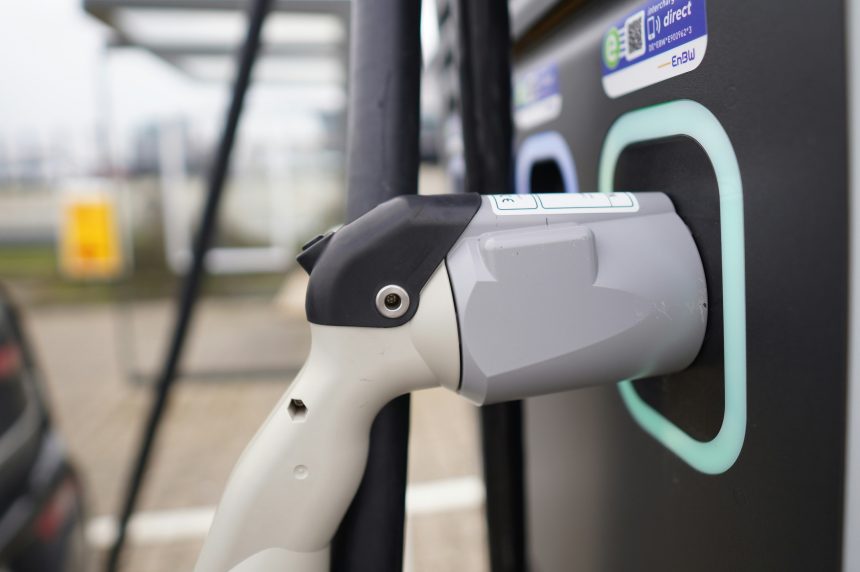
The Public Utilities Regulatory Commission (PURC) has introduced a dedicated tariff for commercial electric vehicle charging — the first time Ghana has formally regulated electricity pricing for the sector.
The move signals official recognition of commercial EV charging as a distinct economic activity, a foundational step for attracting serious private investment in charging infrastructure.
The big picture
Before this tariff, charging operators had no dedicated rate category — they were likely billed under general commercial electricity tariffs, creating pricing uncertainty that complicated business planning and investment cases.
The numbers
- GH¢2.016 per kilowatt-hour for commercial EV charging
- GH¢500/month flat service charge per connection
- A full charge on a standard 60kWh EV battery would cost operators roughly GH¢121 at this base rate, before any margin
Context
The EV tariff comes alongside broader rate adjustments from the PURC’s routine Q2 2026 review — a 4.81% average reduction in electricity rates and a 3.06% cut in water tariffs, both effective April 1.
What to watch
Whether GH¢2.016/kWh is commercially viable for charging operators once margins, infrastructure costs, and the monthly service charge are factored in — and which companies move first to formalise operations under the new framework.