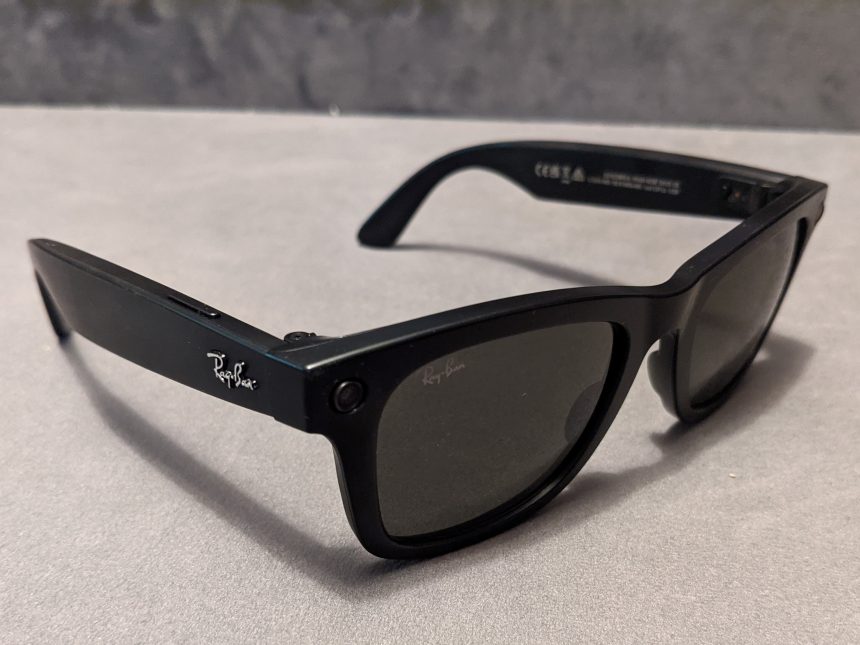
Kenya’s Data Protection Commissioner (ODPC) has confirmed that it has launched a formal investigation into Ray-Ban Meta smart glasses following reports of mass surveillance and non-consensual recordings.
The move places Kenya alongside the UK and US in a growing global regulatory pushback against Meta’s wearable tech.
Driving The News
The investigation centers on a disturbing “privacy loop” where intimate data collected globally by the glasses was allegedly sent to workers in Nairobi for AI training.
- The Exposure: Kenyan workers at Samasource EPZ reportedly reviewed footage containing bathroom visits, bank card details, and sexual encounters.
- The “Con Artist” Factor: Locally, “The Oversight Lab” flagged a specific case where a pick-up artist used the glasses to record Kenyan women in his apartment without consent.
- The AI Connection: Beyond hidden recordings, regulators are scrutinizing how Meta uses this “personally identifiable information” to train its AI models without a clear legal framework.
By The Numbers
- 150+: The number of Kenyan organizations and individuals who signed a letter of support urging the investigation.
- March 6, 2026: When the initial petition was filed by The Oversight Lab.
- 3: Major jurisdictions (Kenya, UK, and USA) now actively scrutinizing or litigating Meta over these specific privacy violations.
What They’re Saying
“We ask that the investigation be done openly… noting that Kenyans are now more than ever keen on being involved in regulatory processes dictating their digital future.” — Mercy Mutemi, Executive Director at The Oversight Lab.
Between The Lines
The report by journalists Naipanoi Lepapa and Swedish outlets highlights a grim irony: Kenyan labor is being used to “label” the most private moments of people worldwide, while simultaneously being targeted by the technology themselves.