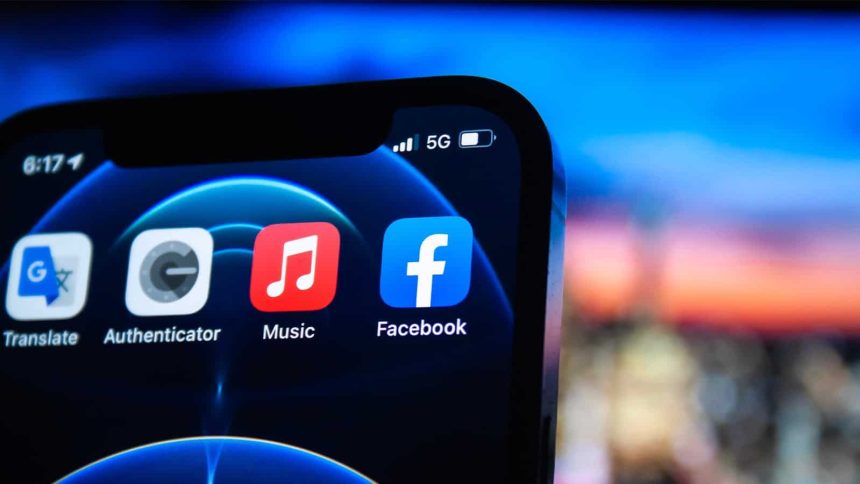
Ghana has officially entered the 5G era. Next Gen InfraCo (NGIC) has received the green light from the National Communications Authority (NCA) to flip the switch on the country’s first shared wholesale 4G/5G backbone.
As of March 3, 2026, NGIC is commercially live in Accra, Kumasi, and Tamale.
How it works
Ghana is ditching the traditional “every carrier for themselves” model for a wholesale-first infrastructure.
- The Backbone: NGIC builds and maintains the actual towers and core 5G tech.
- The Retailers: Traditional Mobile Network Operators (MNOs) “rent” space on this shared platform to sell 5G plans to you.
- The Logic: This prevents “infrastructure duplication”—where three companies build three separate towers in one neighborhood while leaving rural areas blank.
Initial launch cities (Accra, Kumasi, Tamale) are live, with more to follow in phased rollouts.
What they’re saying
“Today, Ghana moves from 5G ambition to 5G execution. The shared backbone is commercially active and positioned to scale.” — Tenu Awoonor, CEO of NGIC.
Speaking on the operational transition, Nenyi George Andah, Chief Operating Officer of NGIC, noted that the focus now shifts to disciplined expansion. “The backbone is active. The framework is clear. The responsibility now is execution — scaling coverage in a coordinated and sustainable manner.”
The Tech Angle
Nokia is the primary muscle behind the curtain. Mustapha Salah, Nokia’s regional head, noted that this “neutral-host” model allows for a more “prudent approach” to high-speed data, especially for enterprise and industrial use cases that require high security.
The bottom line
The pipes are laid, and the signal is live. The success of Ghana’s digital economy now rests on how quickly MNOs can onboard customers and how fast NGIC can push that coverage into the rest of the country.