
A Nasdaq-listed technology company headquartered in Singapore has struck a deal that could reshape how millions of Ghanaians interact with their government, access financial services, and verify their identities online.
Trident Digital Tech Holdings (TDTH) announced that it has signed a 50/50 joint venture agreement with Aliska Business Advisory and Research Limited, a Ghana-based financial advisory and technology firm.
The resulting entity — Trident Aliska Digital Tech Ghana Ltd. — is targeting up to US$800 million in combined revenue over its first five years of operation. The JV will serve as the operating vehicle for Ghana’s government-led “Digital Citizen” public-private partnership program.
It’s an ambitious number. But the conditions on the ground in Ghana are making that target look less like a stretch goal and more like a calculated bet.
Ghana Is Building Something Big
Ghana has spent the last several years positioning itself as one of Africa’s premier digital economies. The country’s government-led Digital Ghana Agenda has funneled investment into e-government services, fintech infrastructure, and broadband connectivity — laying the groundwork for exactly the kind of large-scale digital platforms that Trident Aliska intends to build.
Ghana’s mobile money ecosystem is already one of the most developed on the continent. Its biometric voter registration infrastructure is a regional benchmark. And the country’s National Identification Authority has been pushing to create a unified national ID system that can anchor digital service delivery across government ministries.
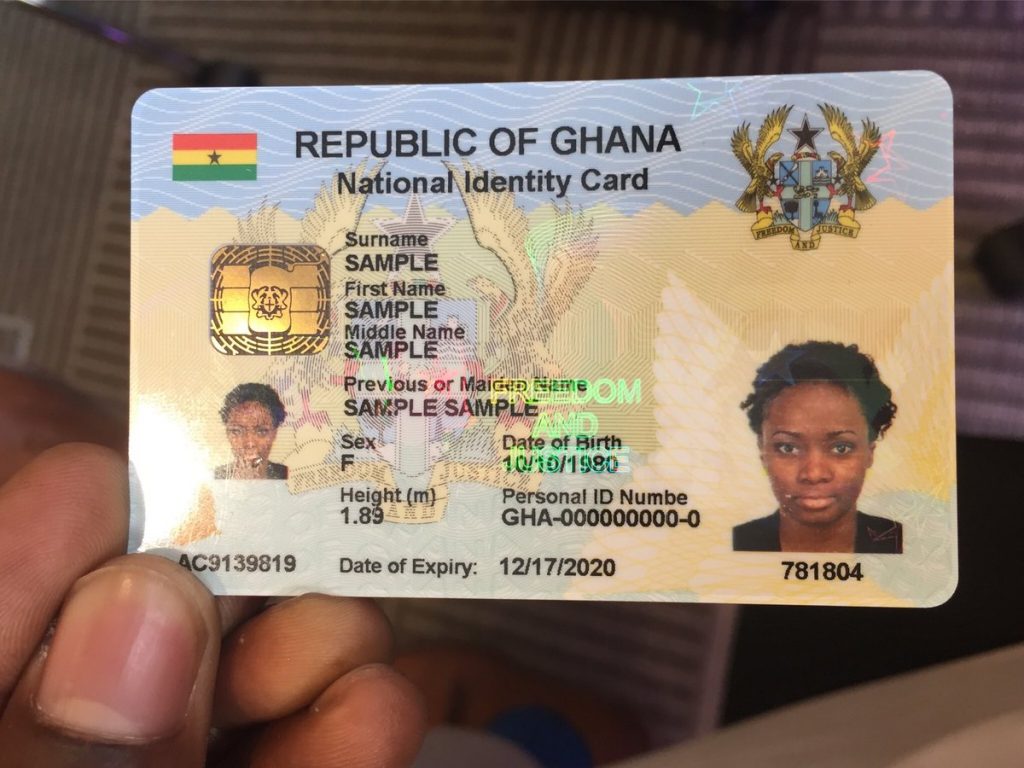
The “Digital Citizen” program appears to be the next step in that chain — a push to bring disparate government systems under a single, interoperable digital framework.
For a foreign technology company looking for a foothold in West Africa, Ghana represents one of the more structured entry points available. The political environment is relatively stable, English is the official language, and the government has signaled repeatedly that it wants private-sector partners to help build out its digital stack — not just supply hardware.
How the Deal Is Structured
The division of labor in the joint venture is straightforward, at least on paper. Trident handles the technical side: platform engineering, technology development, and system management. Aliska handles the local side: project research, design, securing government approvals, permits, and funding.
Both parties jointly manage AI and machine learning upgrades, system maintenance, and operational training for nationwide deployments.
The JV will be governed by a four-person board — two directors from each side.
Aleem Kumi, the Chief Executive Officer of the new joint venture, said the partnership is designed to deliver “secure, scalable technology that enhances operational efficiency” and advances Ghana’s digital economy goals.

He pointed to three immediate areas of opportunity: e-government identity verification, financial services infrastructure, and public sector data management.
Those aren’t niche applications. Identity verification alone is a foundational layer for nearly every other government digital service — from tax collection and benefits disbursement to health records and voter registration. Get that right, and everything else becomes easier to build.
What Trident Brings to the Table
Trident Digital Tech Holdings listed on Nasdaq under the ticker TDTH and is headquartered in Singapore — a city-state that has built a reputation as a launchpad for technology companies targeting Southeast Asian and now African markets.
The company has existing capabilities in platform engineering and AI system development, which it intends to deploy through the new JV.
Soon Huat Lim, Trident’s founder, chairman, and CEO, framed the deal in terms of market timing. “Ghana is one of the fastest-growing digital technology markets in sub-Saharan Africa,” he said in a statement, adding that the partnership is designed to capture “a significant share of that growth.”
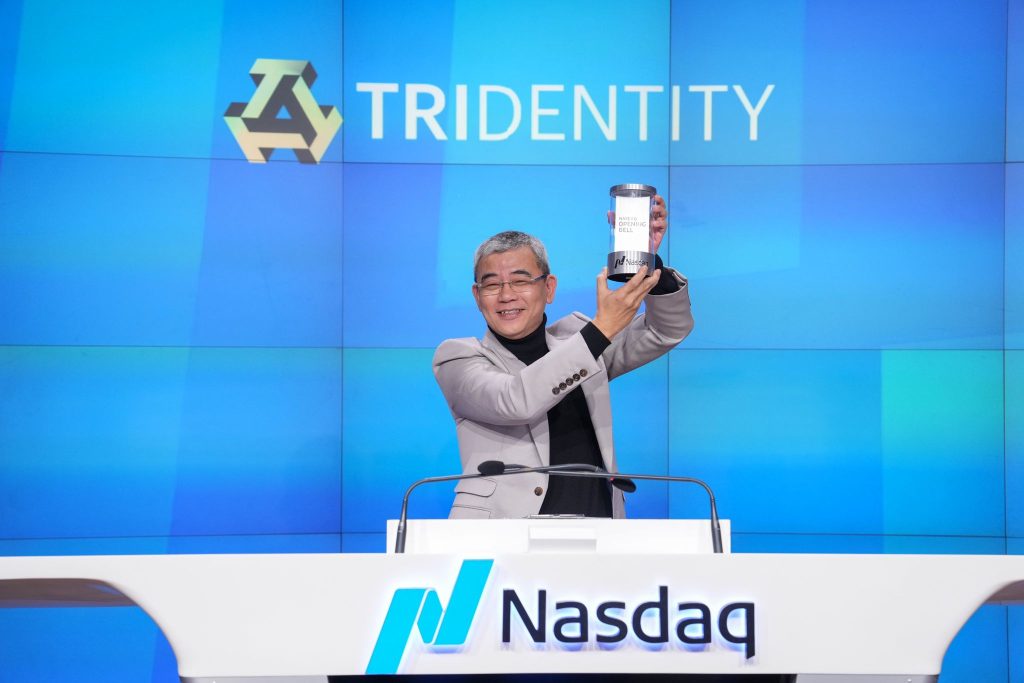
The company said it expects to share further details on the JV’s initial project pipeline in the coming weeks.
The $800 million revenue projection covers a five-year window — which works out to an average of $160 million per year. The projection likely depends heavily on the scope and scale of the Digital Citizen program rollout, and on whether both parties can actually deliver the regulatory approvals and technical infrastructure on schedule.
The Bigger Picture
Deals like this one reflect a broader pattern playing out across Africa: technology companies from Asia and the Gulf are increasingly willing to compete aggressively for public-sector digital transformation contracts that Western firms have historically underpriced or overlooked.
The competitive dynamics are changing fast. India-based IT firms, Chinese state-linked tech companies, and Singapore-headquartered outfits like Trident are all circling the same pool of opportunities — large, government-backed programs with long contract cycles, real revenue, and the kind of strategic relationships that compound over time.
Whether Trident Aliska can execute on its ambitions will depend on some factors, including the pace of Ghana’s government approvals process and the technical complexity of integrating with existing public sector systems.
It also depends on whether the $800 million revenue target is a genuine forecast or an aspirational figure designed to make a Nasdaq filing sing.
The company says more details on the initial project pipeline are coming.