



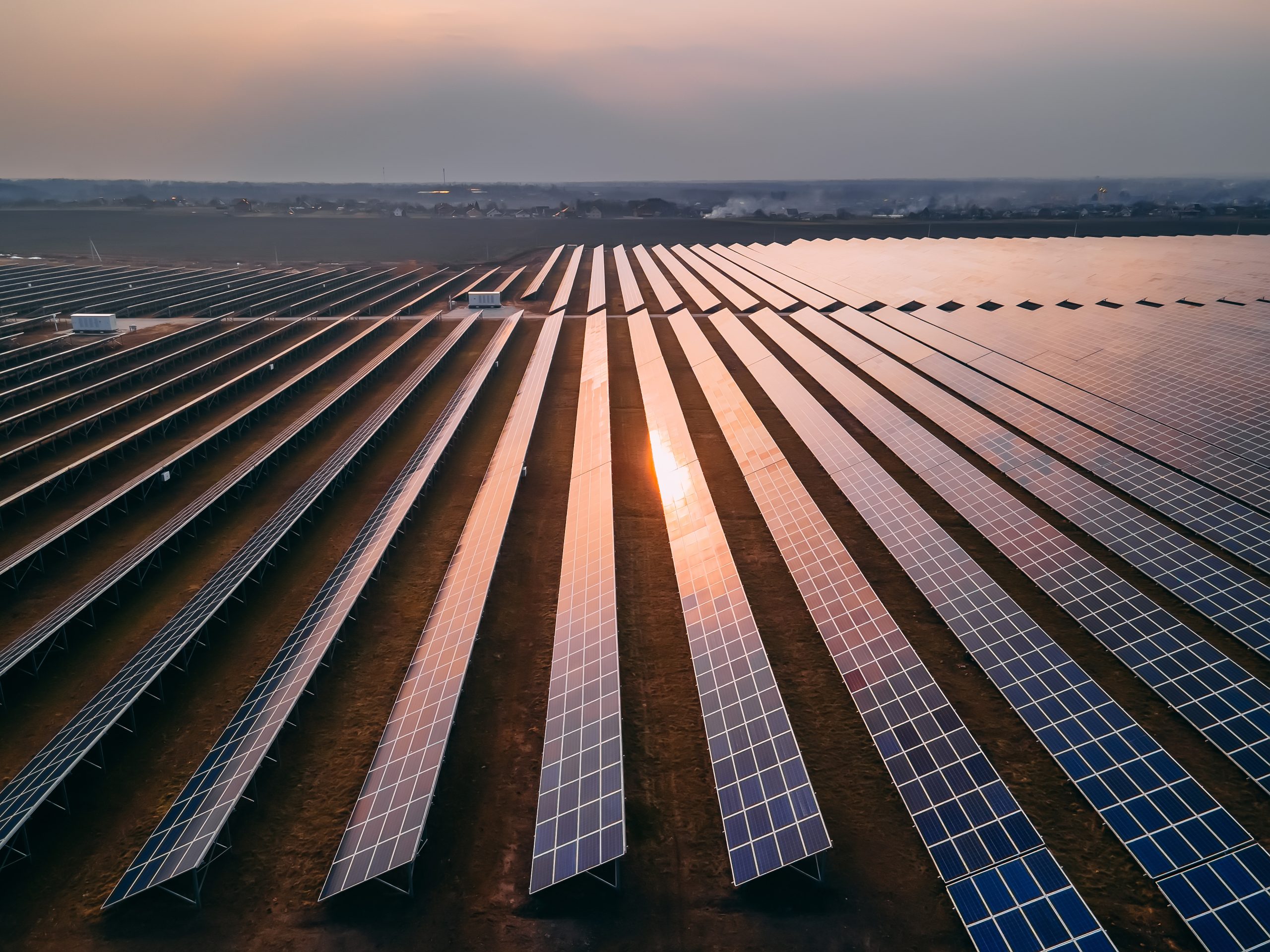
SolarAfrica has secured R1.5 billion in funding to reach financial close on SunCentral 2, a 114 MW utility-scale solar plant in the Northern Cape.
This marks a significant acceleration in South Africa’s shift toward “wheeling”—allowing businesses to buy renewable energy from off-site plants via the national grid.
Why It Matters
South African businesses are desperate for energy security as utility tariffs climb and the national grid remains volatile. This project offers a path to decarbonization and cost-predictability without the massive upfront capital usually required for on-site solar installations.
- Scale: SunCentral 2 is the second phase of a massive 1 GW vision.
- Speed: With funding secured from RMB and Investec, the first power is expected to hit the grid in 2026.
- Infrastructure: A portion of the funds will upgrade the Main Transmission Substation (MTS), which can eventually handle up to 2 GW of green power for the national grid.
By the Numbers
- R1.5 Billion: The fresh investment provided by FirstRand (RMB) and Investec.
- 114 MW: The capacity of SunCentral 2 (matching its predecessor, SunCentral 1).
- 342 MW: Total capacity of Phase 1 (SunCentral 1, 2, and 3).
- 3 GW: SolarAfrica’s total wheeling pipeline currently under development across SA.
The Strategy: Wheeling vs. On-Site
Traditionally, companies had to build solar panels on their own roofs or land. SolarAfrica’s “one-to-many” bilateral wheeling model changes the math:
- Utility Scale: Power is generated at a massive, efficient site in the sun-drenched Northern Cape.
- Grid Delivery: The energy is “wheeled” through the existing Eskom grid to the customer’s location.
- Low Barrier: Businesses can sign long-term agreements for cheaper, cleaner power without the “upfront capital outlay” of building their own plants.
What They’re Saying
“SunCentral is a long-term infrastructure investment that gives companies the ability to manage their costs, cut emissions, and reduce their reliance on utility power that is often vulnerable to unpredictable tariff hikes.” — David McDonald, CEO of SolarAfrica