Uganda’s top communications regulator is downplaying the hype around BITchat, an alternative messaging app being championed by opposition figures.
The government claims it has the technical prowess to shut it down if it’s used to bypass local laws.
Driving the News
Nyombi Thembo, Executive Director of the Uganda Communications Commission (UCC), sent a clear message during a recent media engagement:
- No “Safe Haven”: Thembo warned that users shouldn’t view BITchat as an impenetrable safeguard against government restrictions.
- Technical Muscle: He claims the government employs a “large pool” of software engineers capable of monitoring or disabling apps that operate outside legal frameworks.
- The Quote: “We have the highest concentration of software engineers and developers in this country. It is very easy for us to switch off such platforms if the need arises.”
How BITchat Works
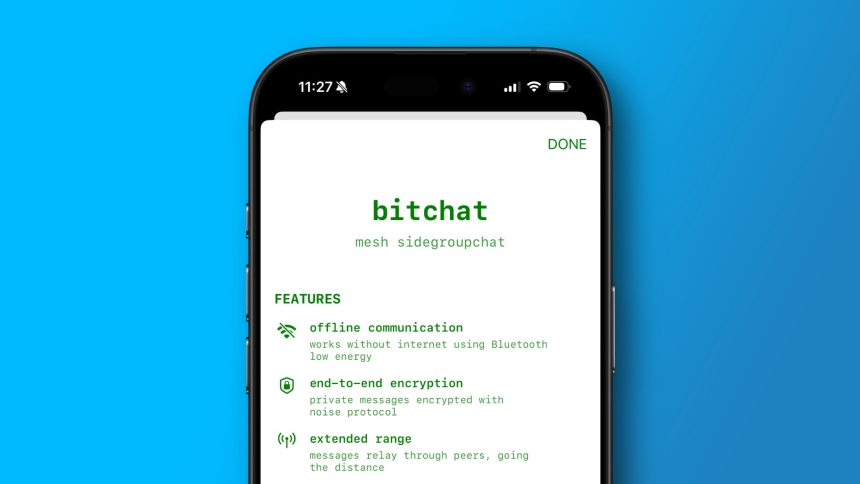
BITchat is a decentralized, peer-to-peer messaging app developed by Jack Dorsey, the former CEO of Twitter. It is specifically designed to function when traditional networks are disabled.
- Privacy First: It features end-to-end encryption and a “panic mode” (triple-tapping the logo) that instantly wipes all local data.
- Bluetooth Mesh: Unlike WhatsApp, BITchat doesn’t need the internet. It uses Bluetooth Low Energy (BLE) to link phones directly.
- The “Hop” Effect: If the recipient is out of range, the message “hops” through other nearby BITchat users’ phones until it reaches the destination.
- Zero Footprint: There are no central servers, no accounts, and no phone numbers required—making it difficult for authorities to track individual users.
Why It Matters
As Uganda approaches a high-stakes election, the digital landscape has become a primary battlefield. Opposition actors are pushing BITchat as a “censor-proof” tool, fearing a repeat of the social media blackouts seen in previous cycles.
Between the Lines
The UCC is walking a tightrope between maintaining public order and managing international optics regarding internet freedom.
- The Government Stance: Authorities insist their priority is preventing misinformation and “unrest,” rather than broad censorship.
- The Opposition Stance: Activists argue that alternative platforms are essential for mobilization and circumventing potential state-led internet shutdowns.
Catch Up Quick
The BITchat controversy is part of a broader pattern of digital tension in Uganda:
- Internet Stability: Despite the warnings, the government recently denied plans for a blanket internet shutdown ahead of the elections.
- Regulatory Reach: The UCC is actively monitoring both traditional and digital media for “compliance” with national stability laws.
- Cultural Context: This move coincides with other national events, including updates on the EACOP oil project and public asset declarations by government officials.
What to Watch
Whether the UCC actually attempts to block BITchat. Technical experts often debate the effectiveness of “switching off” decentralized apps, but the government’s public warning serves as a potent deterrent for less tech-savvy voters.
Source: Nilepost