





African technology companies are building outside their home markets, and Britain is where many of them build the most.
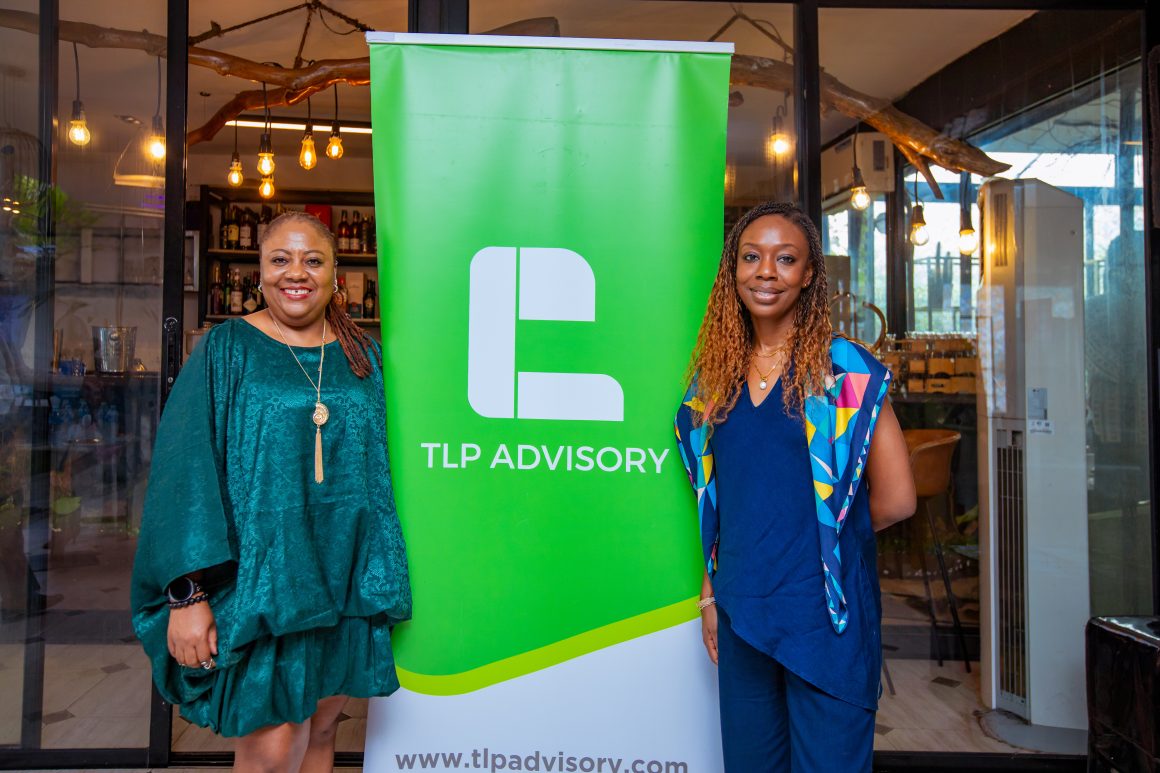
TLP Advisory, a cross-border venture law firm that started in Nigeria, published its third annual report on Tuesday. The report, Home and Away: Tracking African Tech’s Global Footprint, studied 100 tech companies from Nigeria, Kenya, South Africa, Egypt, Ghana and Morocco.
It looked at their ties to three markets: the United States, the United Arab Emirates, and Britain.
Each market plays a different role. The U.S. is mainly where companies incorporate to raise money. The U.A.E. is where they run day-to-day operations. Britain combines both, and adds regulatory licenses and commercial activity.
More Than a Legal Shell
The numbers show how deep the British presence goes. Among companies with British ties, 84 percent incorporated there, 47 percent have operations there and 19 percent hold regulatory licenses.
Licenses are rare in the other two markets. Only 3 percent of U.S.-linked companies and 4 percent of U.A.E.-linked companies hold them.
“Most African tech companies have a legal structure somewhere abroad in addition to their home country,” said Odunoluwa Longe, a co-founder and partner at TLP Advisory. “What’s striking about the UK is how often it comes with more than only incorporation.”
He drew a line between the two kinds of presence. “A round closed in Delaware and a licence in London are both important, but they play very distinct roles,” he said. He advised founders to decide what they want from each market before moving into it.
The Gulf as an Operating Hub
The U.A.E. is the most hands-on of the three markets. Of the companies with ties there, 87 percent have an operational presence.
Its pull comes from location. Dubai and Abu Dhabi link the Middle East, Africa and Asia. Free zones and financial centers make it easier for foreign firms to set up locally.
Egyptian companies feel this pull most. Seventy percent of them have a U.A.E. affiliation, compared with 50 percent that have U.S. ties. Proximity, a shared language and cultural ties help.
Why Fintechs Look to London
For financial technology companies, Britain offers a ready market. It has a large African diaspora that already sends money home. About 40 percent of British residents born in sub-Saharan Africa send money abroad, compared with 27 percent of all foreign-born residents.
Alex Forsyth-Thompson, founder and chief executive of the South African fintech Float, said the move felt natural. Britain is one or two hours off South African time, the business culture is familiar and many South Africans live there.
“We had social capital from day one,” he said. He also pointed to Britain’s more than 55 million credit card accounts.
Olugbenga Agboola, the founder and chief executive of Flutterwave, said Africa remained his company’s base. But scaling required “access to capital, talent, and opportunities beyond Africa,” he said.
Four Features That Draw Founders
The report lists four British advantages:
- Tax breaks for early investors. The Seed Enterprise Investment Scheme and Enterprise Investment Scheme give tax relief to people who back qualifying startups.
- A visa route for founders. The Global Entrepreneur Programme offers government endorsement for the Innovator Founder visa.
- Familiar law. English common law is widely used in international deals.
- Public markets. The London Stock Exchange and its junior market, AIM, offer routes to listing and exit.
Abi Ajayi, who leads Middle East and Africa primary markets at the London Stock Exchange, said London sits between developed and emerging-market investors. A founder can reach frontier funds, sovereign wealth funds and mainstream institutions in one place, she said.
The Real Test
British officials say a company registration alone is not the goal. Hannah Williams, director of trade and investment for Africa at the British government’s business department, said success should be measured by “the jobs created, the customers served and the capital deployed.”
A Caveat on the Data
The findings have limits. TLP Advisory chose the 100 companies because they already had documented international ties. The report says the results do not represent Africa’s wider tech sector.
TLP Advisory was founded in 2014 as The Longe Practice. It opened a London office and merged with the New York firm Ollis Law in 2021, then added a Dubai presence in 2024.