Somewhere in Monrovia, a biometric database containing the fingerprints and photographs of 640,000 Liberians sits effectively locked. The government cannot access it. Citizens cannot renew expired ID cards. World Bank funds earmarked for expansion are frozen. And the reason is startlingly mundane: Liberia owes the company that built the system $1.7 million, which it hasn’t paid.
The company is Techno Brain, a Nairobi-headquartered IT firm that won a $5.9 million contract to build Liberia’s national biometric identity infrastructure.
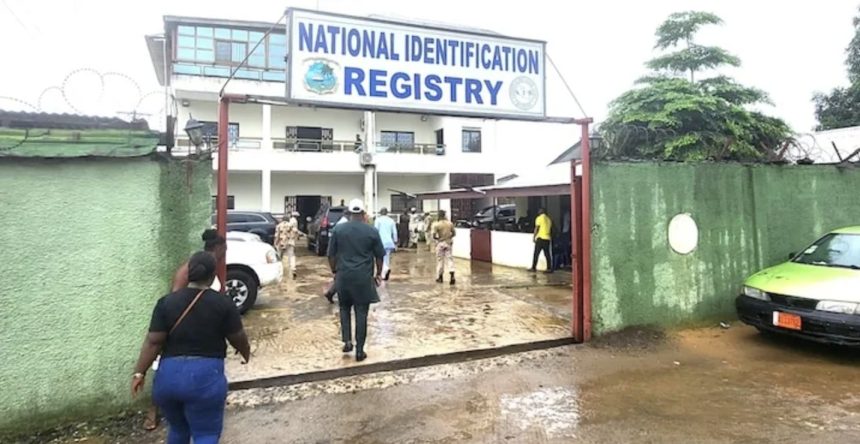
Liberia’s National Identification Registry (NIR) says it cannot fully access the database until that debt is cleared.
President Joseph Boakai ordered a suspension of the rollout in June 2025 to fix “technical anomalies” — but civil society groups and journalists quickly connected the outage to the unpaid bill.
The debt, according to reporting by FrontPage Africa and New Narratives, isn’t even in the legislature’s approved 2026 budget for the agency.

A Nation Without an ID
Liberians who need a national ID to open a bank account, access public services, or comply with President Boakai’s own Executive Order No. 147 — which mandated ID enrollment for basic civil transactions — have nowhere to turn.
The NIR’s main center in Monrovia, built to serve 250 people a day, has been swamped with over 500. Biometric photographs, reportedly taken on personal mobile phones belonging to staff, are at risk of loss or theft. People are falling back on passports or voter cards — more expensive, harder-to-obtain alternatives — just to prove who they are.
A steering committee convened by President Boakai in July 2025 was given until April 13, 2026 to deliver a new rollout plan.
As of now, no report has been released. The government faces a bleak fork in the road: clear the Techno Brain debt to regain access to the existing database, or scrap the system entirely and start over — with all the cost and delay that entails.
This Isn’t Just About Liberia
Liberia’s predicament is the most visible example of a structural problem running through digital identity programs across Africa.
A sweeping 2025 report by the African Digital Rights Network (ADRN) and the UK’s Institute of Development Studies documented how over $1 billion in World Bank loans and European grants have funded the rapid rollout of biometric ID systems across the continent — systems that have frequently become barriers to service rather than gateways.
The report found that most of these systems lack adequate legal frameworks to protect citizens and have no clear accountability mechanisms when they fail.
Techno Brain itself has a troubled continental record. In 2020, the World Bank debarred the firm for 28 months after finding that it had manipulated confidential bidding documents to win a public financial management contract in Liberia.
Malawi subsequently cancelled a separate $60 million e-passport contract with the company following corruption allegations. That the same firm was later entrusted with Liberia’s core identity infrastructure raises questions that have yet to be answered by officials.
The Vendor Lock-In Problem
What makes Liberia’s situation so instructive is the power dynamic it reveals. When a government contracts out its national identity infrastructure to a private vendor — especially a foreign one operating under a proprietary system — it is making a bet that the relationship will stay solvent.
If it doesn’t, the government loses access to its own citizens’ data. The biometric database doesn’t belong to Liberia in any meaningful operational sense. It belongs to whoever can flip the switch.
This is a known risk in the field. Researchers and digital rights advocates have long warned that African governments are building critical infrastructure on top of dependency arrangements that limit sovereignty. The problem extends beyond Liberia.
In Uganda, persons with disabilities have been turned away from ID registration centers because they cannot provide fingerprints.
Tanzania’s aggressive SIM card registration deadlines tied to biometric ID left over 20 million subscribers at risk of disconnection.
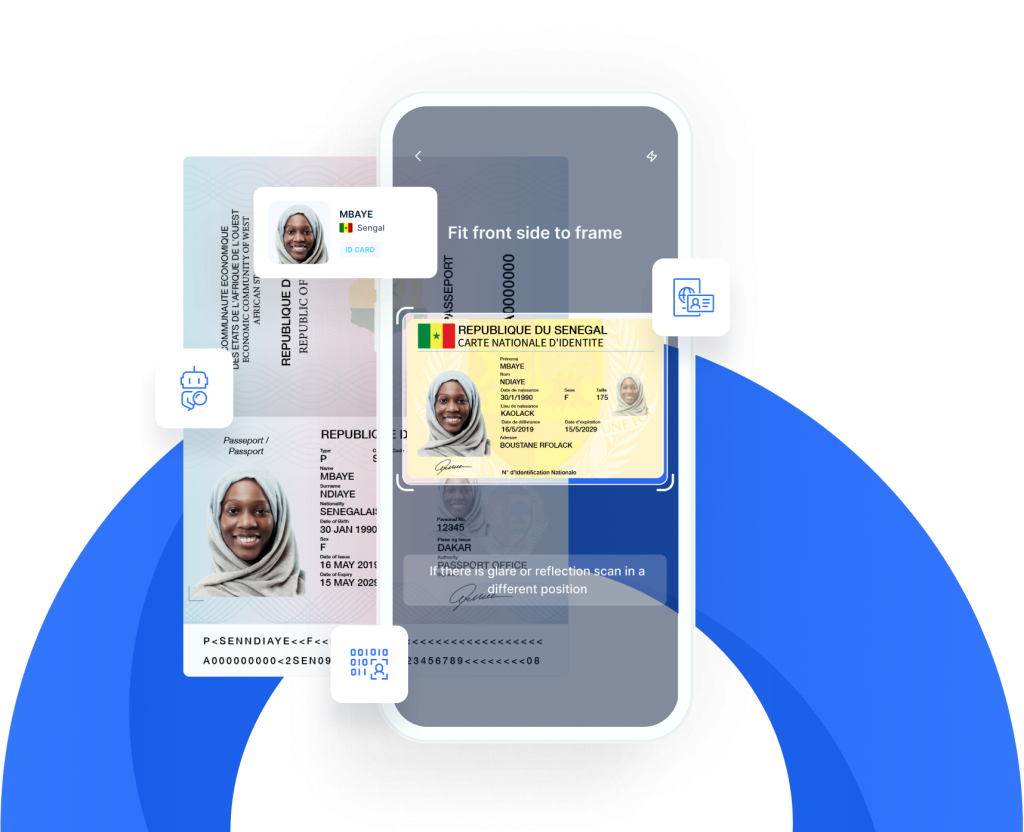
EU-funded biometric databases in Senegal have reportedly been used to identify and track undocumented migrants — a surveillance function never disclosed to citizens whose data was collected.
What Comes Next
The clearest lesson from Liberia is one that procurement officials and international lenders need to internalize before the next contract is signed: digital identity infrastructure must be treated like public utility infrastructure — owned, operated, and audited by the state, with open data standards that prevent any single vendor from holding a nation’s citizen data hostage over an unpaid invoice.
Open-source identity frameworks like MOSIP — the Modular Open Source Identity Platform — exist precisely for this reason. They allow governments to build interoperable, vendor-neutral systems where data portability is guaranteed by design, not by contract.
Several African nations are moving in this direction, but progress is slow against a backdrop of commercially aggressive vendors and donor-funded projects that often prioritize speed of deployment over systemic resilience.
For now, Liberians wait. The April deadline for the steering committee’s report has arrived, and the $1.7 million is still, reportedly, not in the budget. An identity system was supposed to be the foundation of a digital economy.
Instead, it has become a case study in what happens when governments build that foundation on borrowed infrastructure they cannot afford to keep.