


Tech Labari Tech Labari
  • Sections
    • News
    • Features
    • Data Points
    • Consumer Tech
    • Media + Entertainment
    • Crypto And Web3
    • Artificial Intelligence
    • Energy + Power
    • APO Newsroom
  • Labari Data
  • Latest
  • Guides
  • Podcast
  • Newsletter
  • More
    • About Us
    • Advertise With Us
    • Submit an Article
Tech Labari Tech Labari
  • Sections
    • News
    • Features
    • Data Points
    • Consumer Tech
    • Media + Entertainment
    • Crypto And Web3
    • Artificial Intelligence
    • Energy + Power
    • APO Newsroom
  • Labari Data
  • Latest
  • Guides
  • Podcast
  • Newsletter
  • More
    • About Us
    • Advertise With Us
    • Submit an Article
Tech Labari Tech Labari
The Latest
Treepz and CMS T&M Relaunch Cashless Bus Push for Lagos Commuters
CMS Transport Rolls Out Cashless Payments on Lagos’ CMS–Ajah Route
Ghana Pushes Back 5G Spectrum Deadline as Regulator Tightens Ownership Rules
WhatsApp Is Testing a Folder to Separate Business Spam From Real Conversations
  • zuri health
  • zuri
  • zuputo
  • zone
  • zoho
  • zipline
  • zimi
  • zimbabwe
  • zig
  • zepz
  • Features

Why Doesn’t Ghana Have A Public Emergency Alert System?

byJoseph-Albert Kuuire
October 10, 2017
3 minute read
Total
0
Shares
0
0
0

If you’ve ever been on social media sites like Facebook or Twitter, you may have come across messages asking for help finding missing persons or even stolen vehicles or criminals/fraudsters.

It’s 2017 and even though social media is a great tool for spreading news and information, it seems a bit strange that we’re not utilizing the power of our smartphones and mobile networks for greater reach.

So why don’t we have a public alert system for the spreading of verified information about missing persons or public information?

Telcos Need To Step Up

Currently, Facebook has a safety feature where users can check in as “safe” after a natural disaster or a terrorist attack. But it’s not localized.

Meaning, users can’t check in as safe when incidents like the Gas Explosion at Atomic junction occur.

This is where the telecom companies in Ghana need to step up. Telcos already have the power to send their subscribers SMS text alerts for internal and external promotions.  So why can’t they use that service to broadcast alerts and safety messages? Has the National Communications Authority (NCA) and collection of telcos not considered something emergency service broadcasts using cell phones for emergencies?


The incident which occurred on Saturday night resulted in a lot of misinformation being spread across social media sites like Facebook and WhatsApp. But if users got text/SMS messages from a more reliable source like Telcos in partnership with state authorities, information about incidents like the gas explosion or flooding in parts of the city could be spread more quickly and be more accurate. Telcos would have to partner up with authorities like the Fire Service and Police who would have more up to date information.
 

Missing Persons And Public Alerts

I recently read a story that a  reporter wrote in which he said he was at a Starbucks in San Francisco when someone’s cell phone buzzed. After a brief period, another person’s phone buzzed. Soon after, everyone’s cell phone in the Starbucks also buzzed. An Amber alert had gone out with a message that there was a missing child who was last seen in a Toyota Corolla. Sooner or alert, it would be possible for that child to be located and found because almost everyone would be on the lookout.
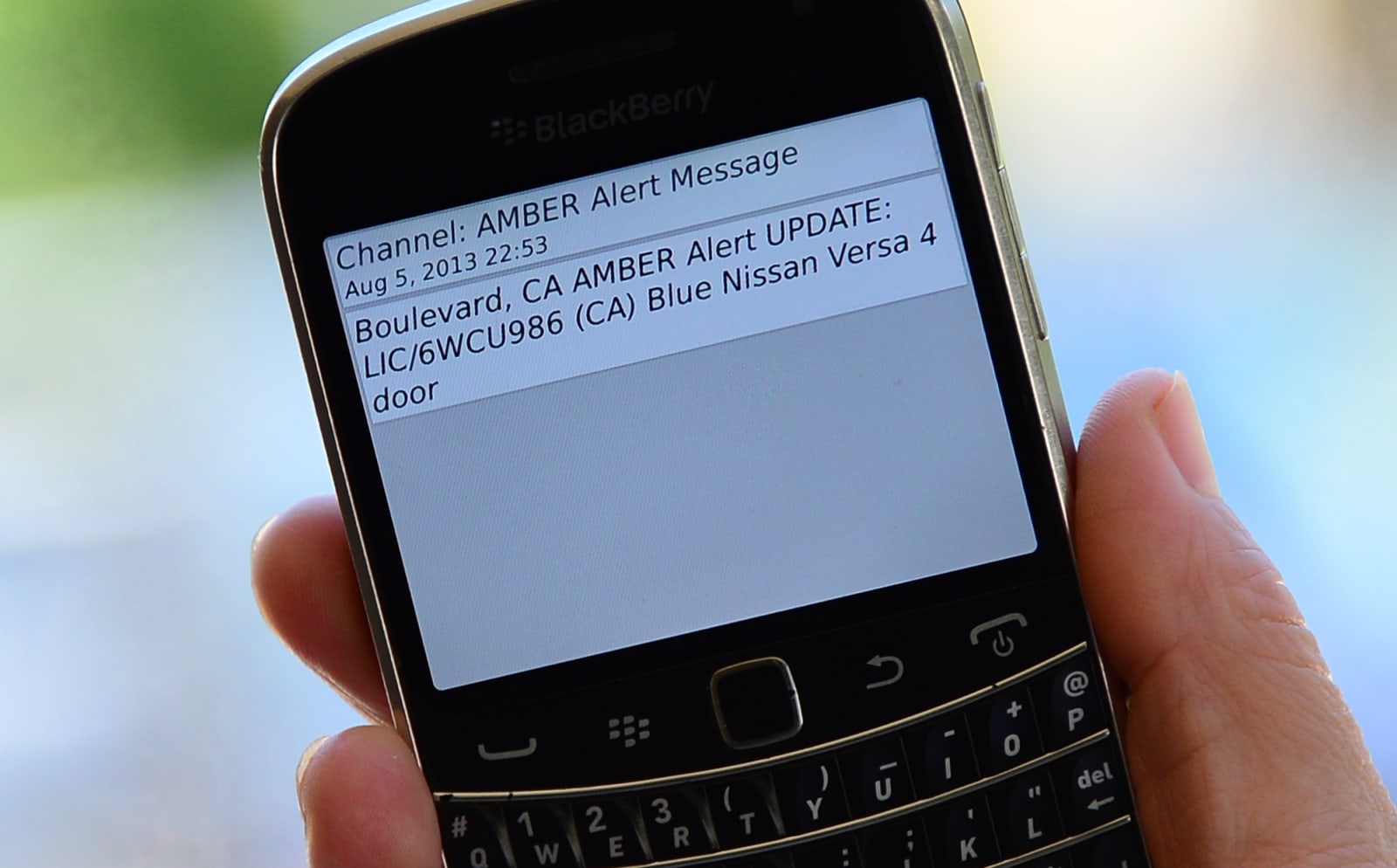
emergency alert system ghana
Example of an Amber alert

Incidents like the Atomic Gas Explosion shows the need for an “Amber Alert System” in Ghana especially when it comes to missing persons. After the gas incident, there were tweets about missing children who needed to be reunited with their parents. Spreading the news on social media is great but not everyone is on Twitter or Facebook all the time. An SMS or text alert is almost guaranteed to hit a mass of people all at once, especially in a specific geological area because of cell towers.

The question is, why hasn’t a system like that been built yet? Despite all the Corporate Social Responsibility efforts by some of the telcos, why haven’t they all come back together to deploy technologies that can benefit the people in times of disasters? Do they not have the infrastructure?

Perhaps it’s in the pipeline and I’m not aware of it. But it needs to be deployed sooner than later.

Flooding, fires, missing persons….you name it, we need a system that can help spread information faster and help people keep up to date with what is happening on the ground.

This doesn’t have to be related to just emergencies. It could be used for crime awareness as well.


Technology can really be beneficial in times of need. Like Chris wrote in his piece about how technology could be used in terms of disaster, we need to move quickly to deploy technology for rapid responses. Social media sites like Facebook and Twitter are a great help. But until the authorities can get ahead of things like this and take control in times of panic, misinformation like the gas explosion and other incidents related to it can get out of control.


Author

  • Joseph-Albert Kuuire

    Joseph-Albert Kuuire is the creator, editor, and journalist at Tech Labari.

    Email: joseph@techlabari.com
    Twitter: @jakuuire

    View all posts

Related

  • longform
  • social media
  • technology
Total
0
Shares
Share 0
Tweet 0
Share 0
Related Posts
Read More
  • Features
  • Partner Content

Ghana Opens Continental AI Hackathon as Accra Positions Itself at the Centre of Africa’s Push from AI Ambition to Execution

This September, more than 200 young innovators from over a dozen countries will spend 48 hours in Accra…
byJoseph-Albert Kuuire
Read More
  • Artificial Intelligence
  • Features

From Vision to Execution: What to Expect at One Vecta Africa AI Week 2026

Artificial Intelligence is no longer a future concept, it is transforming how governments deliver services, how businesses compete, and how…
byJoseph-Albert Kuuire
Read More
  • Features

Cactus Creek Foundation in Partnership with USAforAfrica and Csquared Host AI Workshop for Women Professionals at Google AI Community Center

The event placed an emphasis on women who remain underrepresented in the decisions about how AI is deployed for policy, commercial, regulatory, and technical decisions across various industries
byJoseph-Albert Kuuire
Read More
  • Features
  • News

How Ghana’s National Information Technology Agency Plans To Roll Out Its Digital Wallet Platform

A presentation prepared for stakeholders fills in details NITA's original concept note left out — including how the agency plans to police a market it won't directly run
byLabari AI
Tech Labari Tech Labari
2026. All Rights Reserved. Tech Labari
  • About Us
  • Advertise With Us
  • AI Usage Policy
  • Media Kit
  • Newsletter
  • Privacy Policy
  • Policy Statement
  • Contact Us
Total
0
Share
0
0
0
0