




ACCRA, GHANA – On March 31, 2026, Ghana’s Minister for Communication, Digital Technology and Innovations, Samuel Nartey George, disclosed that Cabinet had approved a $250 million investment to establish a national artificial intelligence compute center.
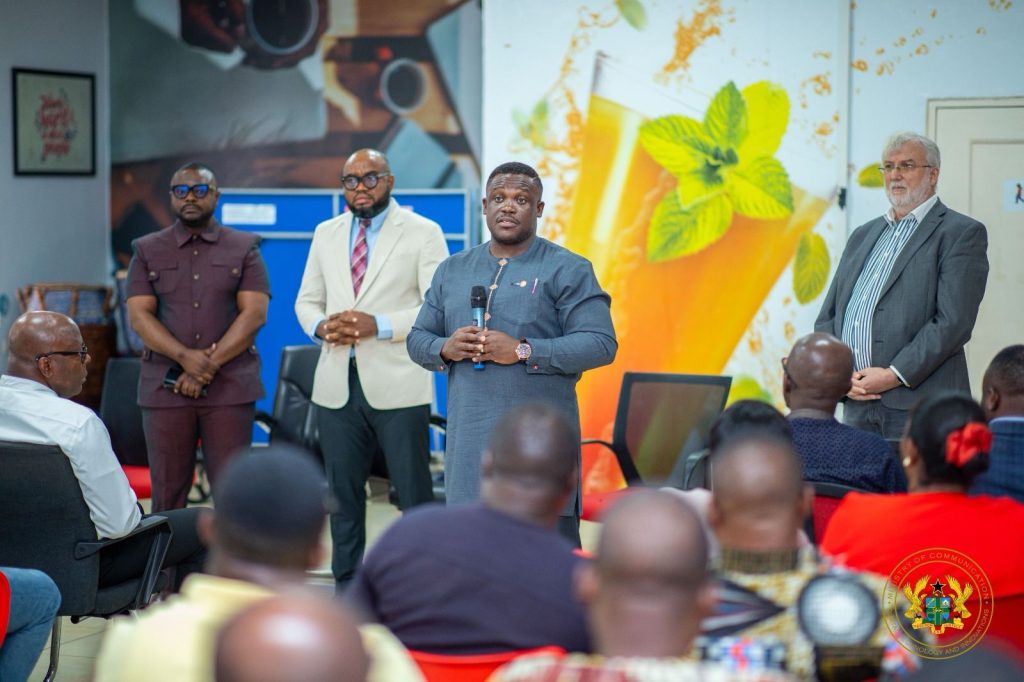
The announcement came during a national stakeholder engagement in Accra, co-organized with UNESCO and funded by the European Union — lending it immediate international visibility.
The minister’s framing was unambiguous: “Today marks a decisive step in Ghana’s path toward a responsible, innovative, and globally competitive artificial intelligence ecosystem.“
But what exactly is being built — and how — remains largely undefined.
What We Actually Know
The proposed center is intended to support research, development, and deployment of AI technologies across industries including agriculture, healthcare, education, and financial services.
That’s a broad mandate, and deliberately so. The Ghanaian government is positioning this not as a narrowly scoped data center, but as foundational national infrastructure.
According to the minister, the core rationale is reducing dependence on foreign technology. The center is designed to give Ghanaian researchers, developers, and startups the compute infrastructure to build solutions locally, rather than relying on external platforms and cloud services.
In a world where AI compute is increasingly treated as a strategic resource — something the U.S.-China rivalry has made viscerally clear — that logic carries real weight.
The announcement doesn’t stand alone. Ghana’s National Artificial Intelligence Strategy has also received cabinet approval and is scheduled to be launched on April 24 by President John Mahama — framing the compute center as one piece of a larger, coordinated national policy shift rather than a standalone project.
Four priority areas have been identified to guide implementation: strengthening data governance systems, investing in AI research and computing infrastructure, expanding digital skills and AI education, and embedding ethical safeguards in AI deployment.
On the international partnership side, one concrete name has emerged. Ghana has secured interest from Chinese technology company Huawei, which expressed specific interest in the AI compute center project alongside the country’s rural telephony expansion and 5G rollout.
The Strategic Context
Ghana’s mobile penetration currently exceeds 110%, with about 38 million mobile subscriptions nationwide — a digital base that officials argue creates the foundation for scaling AI applications.
Ghana’s position as host of the African Continental Free Trade Area Secretariat was also cited as a strategic advantage in building a digital trade ecosystem across the continent.
The minister made the continental ambition explicit: this isn’t just about Ghana becoming a better version of itself, but about Accra becoming an AI hub that serves Africa more broadly — a kind of computational nerve center for the continent’s emerging digital economy.
What We Don’t Know
This is where the picture gets considerably murkier.
The funding structure is opaque. The $250 million figure has been stated, but there is no public breakdown of how it will be financed — whether through government borrowing, public-private partnerships, foreign direct investment, development bank loans, or some combination.
Ghana has faced significant fiscal pressures in recent years, including an IMF bailout program, so the question of where this money actually comes from is not trivial.
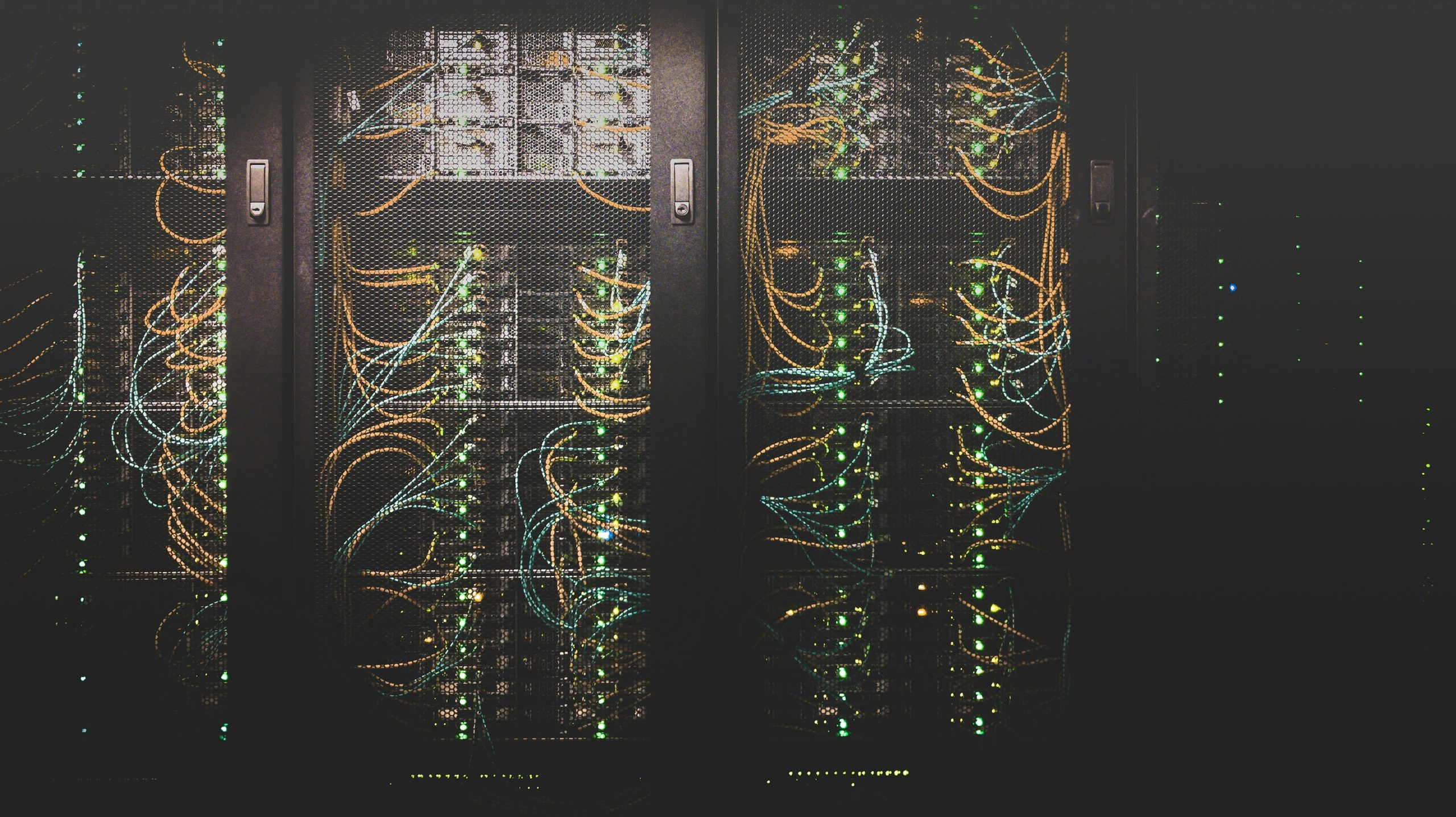
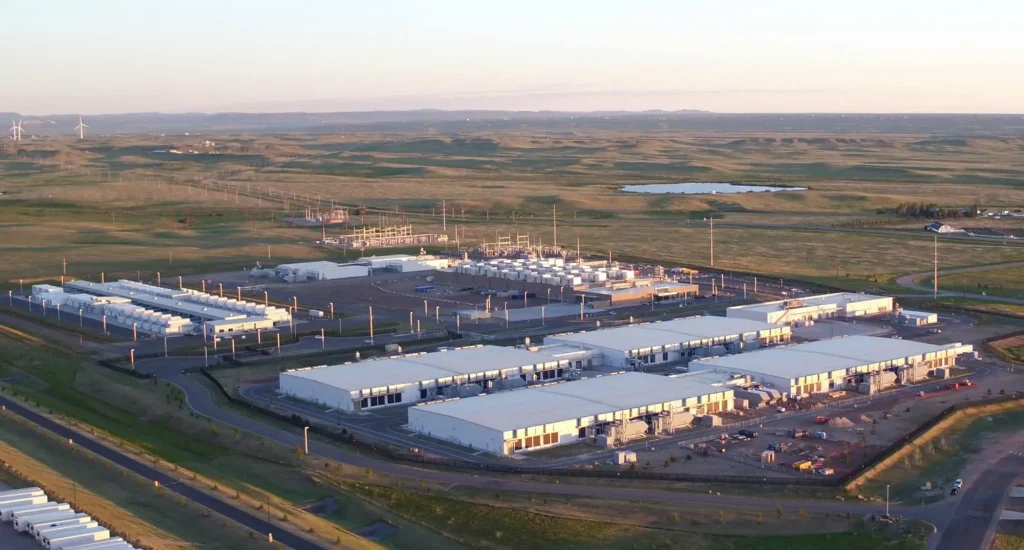
The technical specifications are undefined. A “compute center” can mean many things. High-performance GPU clusters for model training, cloud inference infrastructure, data center colocation facilities — these are very different investments with very different use cases, costs, and timelines. None of that detail has been made public.
The timeline is unclear. No groundbreaking date, construction schedule, or operational target has been announced. Cabinet approval is a policy milestone, not a shovel in the ground.
The Huawei dimension deserves scrutiny. While Huawei has expressed interest in the project, the nature and scope of that partnership have not been formalized.
Given the geopolitical sensitivities surrounding Huawei’s involvement in digital infrastructure globally — and Ghana’s relationships with both Western and Chinese partners — how this partnership is structured will matter enormously.
The digital divide problem looms large. Despite mobile penetration exceeding 110%, that figure may overstate connectivity because individuals often hold multiple SIM cards.
Nearly 30% of the population still lived in unconnected rural areas as of 2022, and internet penetration stands at 72.2%, while 4G usage remains below 60% despite national coverage exceeding 90%.
A national AI compute center risks being a gleaming infrastructure asset that serves a narrow slice of the population if the underlying connectivity and skills gaps aren’t addressed in parallel.
Why It Matters Regardless
Even with the open questions, the announcement signals something real. African governments are increasingly treating AI infrastructure as a sovereignty issue — not just a development one.
The ability to train models on local data, in local languages, for local problems, without routing everything through foreign cloud providers, is increasingly seen as essential to genuine technological self-determination.
The minister acknowledged that government alone cannot deliver Ghana’s AI future, calling for stronger collaboration among academia, industry, startups, and development partners. That’s an honest admission that $250 million in state-backed compute is necessary but not sufficient.
On April 24th, hopefully, more details will become available when the President formally announces Ghana’s AI strategy.