



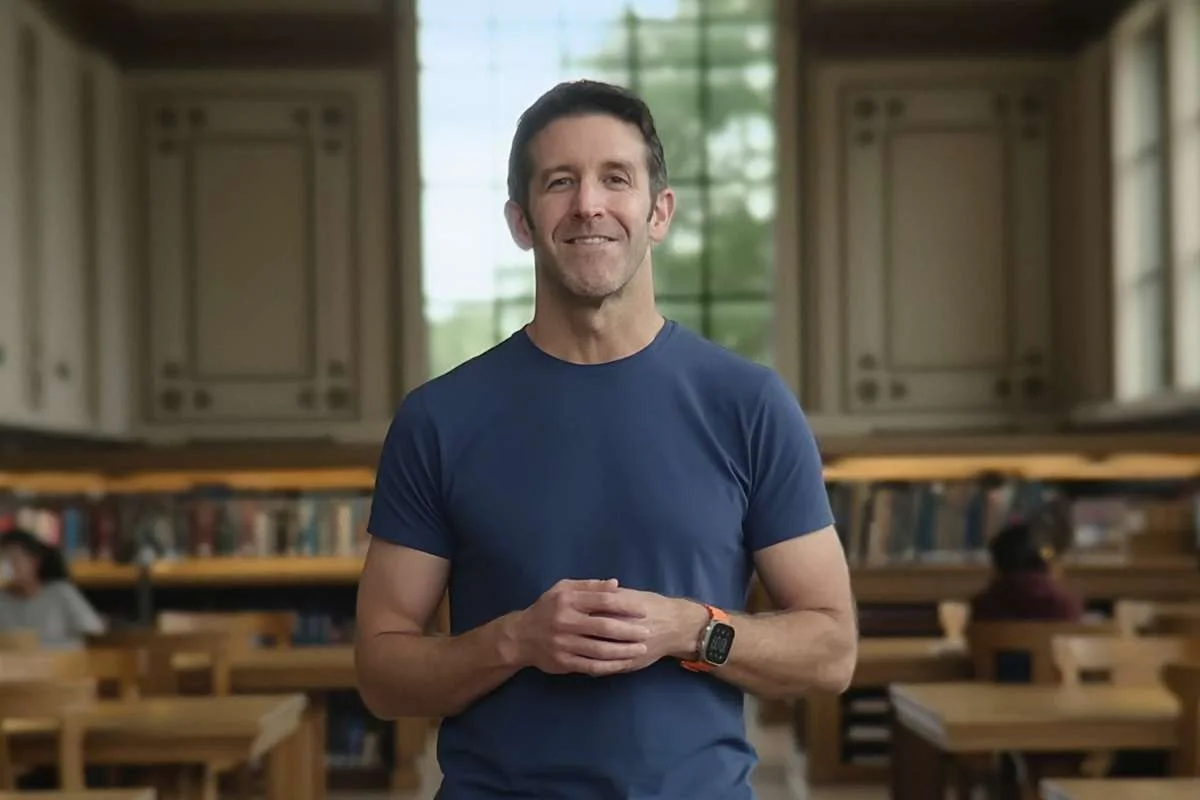
On Monday afternoon, Apple confirmed what had been whispered about in tech circles for months: Tim Cook is stepping down as CEO, and John Ternus — Apple’s head of hardware engineering — will take the top job on September 1, 2026.
Cook will become executive chairman, and Ternus will join Apple’s board of directors when he assumes the role.
The transition ends Cook’s 15-year run as one of the most successful technology CEOs in modern history — a tenure that saw Apple grow into a $4 trillion company and cement the iPhone as the defining consumer product of the century.
Now, the question is whether Ternus can do more than maintain what Cook built.
The Hardware Man
If you’ve watched an Apple keynote in the past five years, you’ve seen Ternus. He’s the one on stage, enthusing about chip architectures and durability testing — calm, precise, and comfortable in front of a crowd without being flashy about it.
Ternus, who at 51 is nearly the same age Cook was when he became CEO, has spent almost his entire career at Apple.
A California kid, he studied mechanical engineering at the University of Pennsylvania and joined Apple’s product design team in 2001. By 2013 he was vice president of hardware engineering.
In 2021, when his predecessor Dan Riccio stepped aside to oversee what would become the Vision Pro, Ternus was promoted to senior vice president — making him the youngest member of Apple’s executive team.
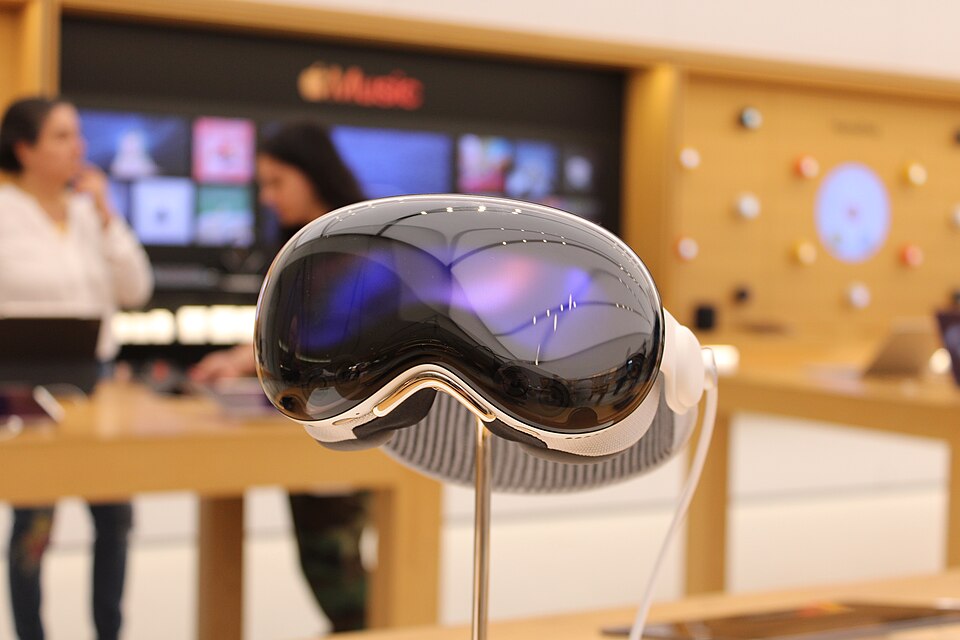
His fingerprints are on nearly everything Apple makes. His remit has covered the iPhone, iPad, Mac, Apple Watch, AirPods, and Apple Vision Pro. Most significantly, he was instrumental in the Mac’s transition from Intel chips to Apple Silicon — a move that redefined what a laptop could do in terms of performance-per-watt and is now widely regarded as one of the best hardware decisions Apple has made in decades.
Insiders describe him as “a very meticulous engineer and a judicious executive,” with Tony Blevins, Apple’s former procurement chief, calling him an “outstanding and obvious choice” to succeed Cook.
The AI Problem He Inherits
For Ternus, perhaps the most critical aspect of his new job will be pushing the company deeper into artificial intelligence, where it has lagged many of its megacap peers.
The Apple Intelligence rollout has been a slow-motion embarrassment. Apple’s AI chief left the company at the end of 2025, and Apple has delayed the rollout of a more intelligent, AI-powered Siri multiple times.
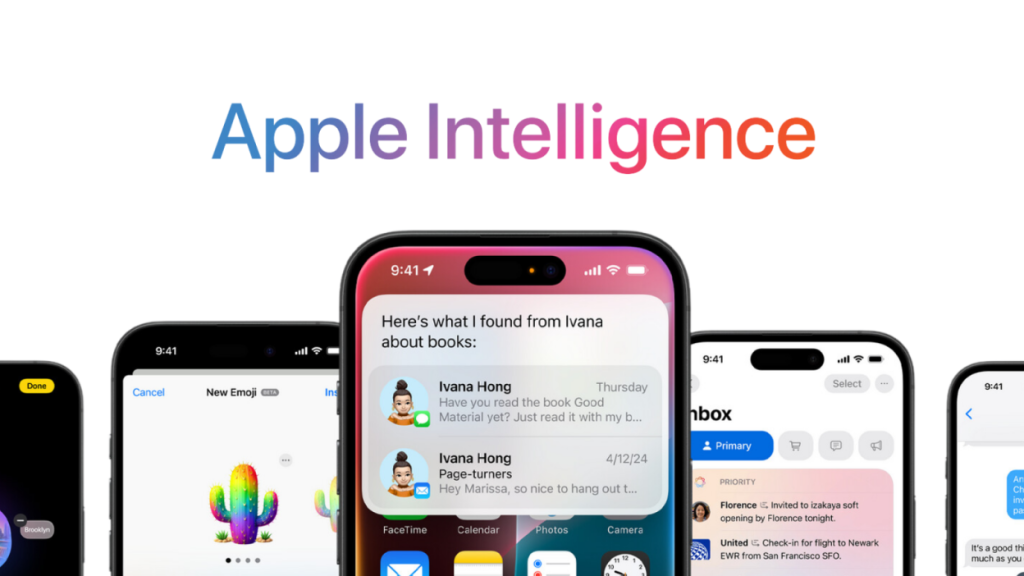
Rather than building its own in-house models, Apple recently turned to Google’s Gemini to power its AI features. For a company that built its identity on owning the full stack — hardware, software, services — outsourcing its AI brain is an awkward position.
Apple also faces a complex supply chain, geopolitical tensions, the Trump administration’s tariffs, and a memory crunch tied to soaring demand for AI chips. Cook navigated the tariff question skillfully, building personal rapport with the administration and shifting parts of production to the US.
Whether Ternus, an engineer by training and temperament, can operate with the same political dexterity remains an open question.
The Road Ahead for Apple
To shore up his hardware portfolio going forward, Apple has named Johny Srouji — architect of Apple’s silicon strategy — as chief hardware officer, effective immediately, taking over the engineering remit Ternus previously held. It’s a clean handoff: Ternus moves up, and the person he trusted most on chips moves into his old seat.
Cook put it plainly in the announcement: “John Ternus has the mind of an engineer, the soul of an innovator, and the heart to lead with integrity and with honor.”