




Ghana’s Ninth Parliament recently passed the reintroduced Human Sexual Rights and Family Values Bill, 2025. The bill penalises persons who publicly identify as members of the LGBT community, including identifying as gay, bisexual, queer, or an ally.
Since its initial draft surfaced years ago, the bill has routinely been described as one of the strictest legislative crackdowns on queer identities globally.
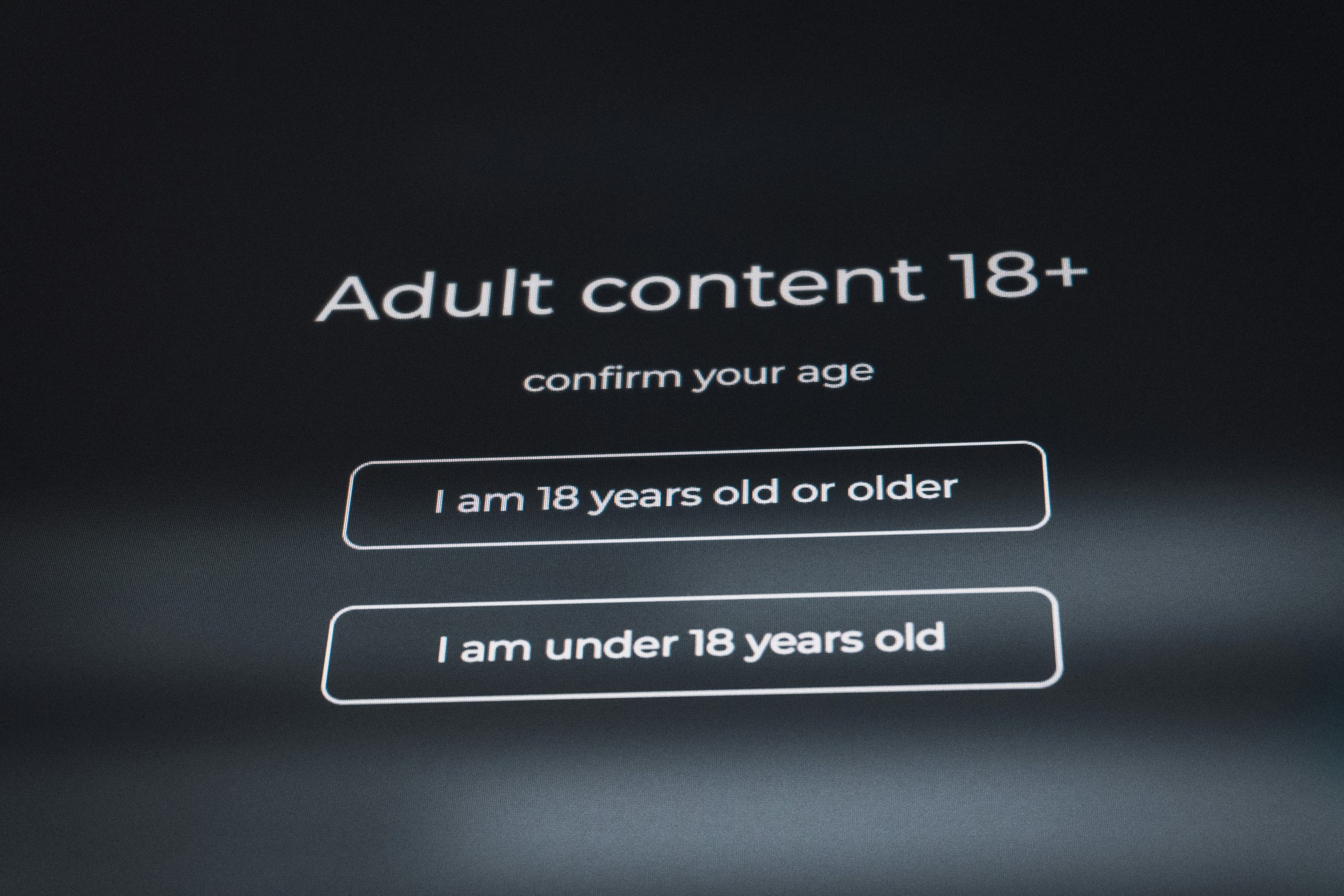
In parsing the bill, a new conversation might soon be dominating online forums and tech communities: Does Ghana’s Anti-LGBT bill effectively ban digital adult websites?
To understand the answer, we dive straight into the bill’s heavily expanded focus on digital platforms, internet services, and web infrastructure.
The Short Answer: No, but with a Massive Catch
Legally, the 2025 bill does not issue a blanket, industry-wide ban on all adult entertainment or standard heterosexual pornography. General adult content in Ghana remains governed under pre-existing, colonial-era public obscenity frameworks, such as Section 280 of the Criminal Offences Act, 1960.
However, the bill bans pornography that displays, references, or promotes same-sex acts, non-binary expressions, or gender-reassignment themes.
The bill effectively weaponizes internet governance. By creating a hyper-targeted dragnet over digital content, it forces internet service providers (ISPs), hosting companies, and local web administrators to become active censors of adult and queer media alike.

Clause 9 and Platform Liability
The core of the bill’s intersection with technology lies in Clause 9, which explicitly codifies the prohibition of “propaganda, advocacy, and promotional activities” across technological spaces.
The bill leaves no room for ambiguity regarding what constitutes a digital medium. It aggressively targets the use of any medium, technological platform, internet service, electronic device, film, or digital account to:
- Produce, procure, market, broadcast, or distribute materials that display or promote activities criminalized under the bill.
- Host, stream, or share content aimed at shifting public opinion in favor of prohibited sexual rights.
Any adult website that allows access to same-sex pornography, queer content, or transgender media instantly crosses the threshold into illegal activity under Ghanaian law.
More crucially, the bill doesn’t just target the creators of the content—it targets the infrastructure.
Under Clauses 9 and 10, owners, managers, and hosts of digital platforms face severe summary convictions carrying mandatory prison sentences of five to ten years if their platforms are found to be hosting or transmitting these materials.
The only escape hatch provided for local tech companies, web hosts, or system administrators is a strict “reasonable diligence” defense.
A platform owner must legally prove they had absolutely no consent, connivance, approval, or prior knowledge of the content being streamed or distributed via their network—a threshold that forces heavy, proactive content policing.
Interestingly, according to Statista, Ghana has been cited multiple times (including in 2024–2025 reports), showing that porn sites rank as the 3rd and 4th most visited website categories overall in Ghana.
Can Ghana Actually Monitor and Enforce This?
Whenever sweeping digital restrictions are passed, there is skepticism about their execution. “Vibe coding” an ambitious law is easy; deploying national technical infrastructure to monitor the entire internet is a completely different beast.

But some mechanisms can be employed to enforce Clause 9 of the bill:
- Centralized ISP Control via the NCA: Ghana’s telecom landscape is heavily centralized. The National Communications Authority (NCA) holds deep regulatory sway over major telcos and internet service providers. To enforce the bill, regulators do not need to hunt down individual users. They simply need to issue administrative directives forcing ISPs to implement Domain Name System (DNS) blocking and URL filtering on major adult websites that fail to purge or geo-block queer content for Ghanaian IP addresses.
- The “Reasonable Diligence” Liability Trap: By threatening web hosts, local server providers, and app deployment platforms with 5-to-10-year prison terms, the state effectively outsources its monitoring. Local tech firms and data centers will be forced to implement aggressive, automated content filtering systems on their servers just to protect themselves from liability.
- The Extradition Clause: In a massive escalation from early iterations, the 2025 bill seeks to amend the Extradition Act, 1960 (Act 22), turning offenses under this bill into extraditable crimes. This gives the state a theoretical mechanism to legally pursue individuals or platform operators across international borders if their digital activities are deemed to heavily subvert domestic family values.
While the Human Sexual Rights and Family Values Bill, 2025 isn’t a comprehensive ban on the adult web, its ripple effects will change how the internet feels in Ghana.
By forcing internet service providers and tech platform owners to police sexual expression online under penalty of prison, the bill establishes a heavily monitored digital environment.