




Anyone who has sat in a Lagos bank, a Nairobi clinic or a Johannesburg call center knows the rhythm: a sentence starts in English and finishes in Yoruba, or slides from Swahili into English and back again without anyone noticing. It is how much of Africa actually talks. Most voice AI systems, built and trained largely on Western speech patterns, have never been able to follow it.
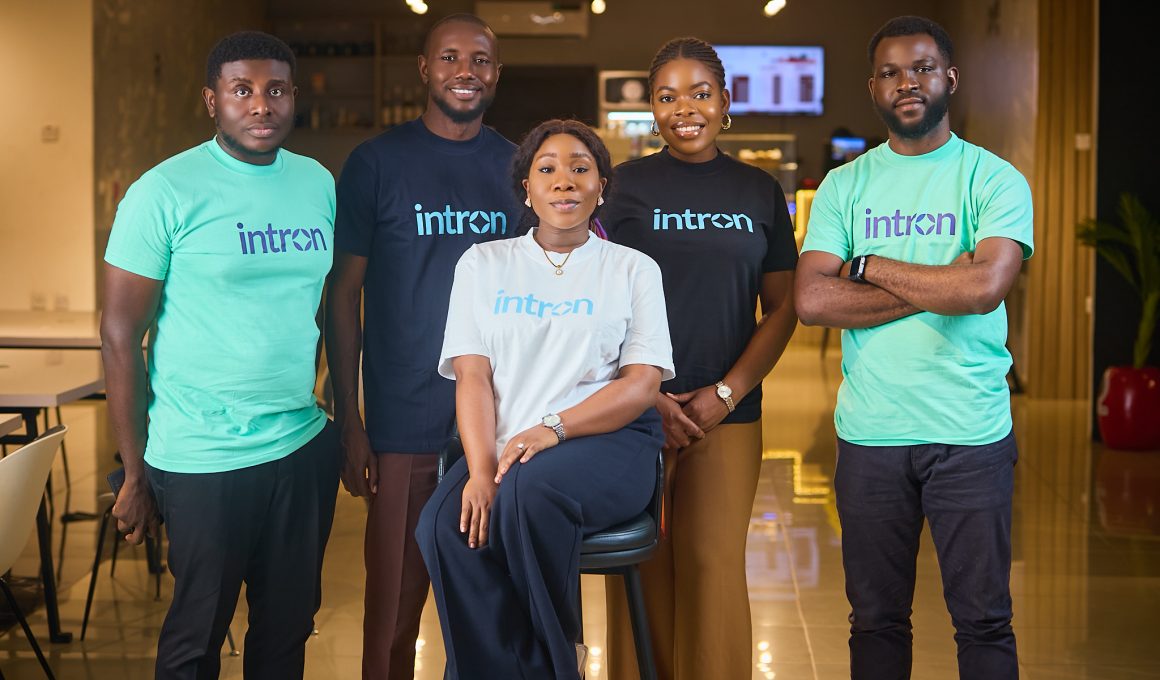
Intron, a Lagos-based voice AI company, says it has made real progress on that problem. On Tuesday, the company unveiled Sahara v2.5, an update it says allows its speech models to track code-switching — mixing languages within a single sentence or conversation — across a dozen African languages, including Zulu, Hausa, Swahili and Luganda.
A Problem Unique to African Speech
Code-switching isn’t slang or error. It’s a normal feature of multilingual societies, and it has been a persistent blind spot for global AI models trained mostly on monolingual datasets. When a system can’t follow a switch, it drops words, mangles meaning, or forces users to repeat themselves in a single “clean” language — friction that compounds in high-stakes settings like courtrooms, hospitals and loan-collection calls.
Sahara v2.5’s most notable addition is a trilingual model handling Kinyarwanda, English and French simultaneously, which Intron describes as a first for African-language AI and has filed for U.S. patent protection.
The Numbers, With Caveats
Intron’s own benchmarks claim Sahara beats Gemini, ElevenLabs and Meta across all 12 code-switching languages tested, with an average word error rate of 34.3 percent versus 53.8 percent for Gemini 3.6 — a gap the company frames as a 36 percent relative improvement. A separate evaluation run through Gooey.ai for the Gates Foundation and CLEAR Global reportedly found Sahara ahead on five of seven Nigerian languages tested.
Those are Intron’s numbers, from Intron’s own published report, and the company is a direct competitor to the models it’s benchmarking against. Word error rate is a real metric, but methodology — dataset selection, test conditions, which competitor versions were used — matters enormously and wasn’t independently verified here. The claim of “outperforming giants” deserves the same scrutiny any vendor’s head-to-head comparison would get.
Where It’s Already Running
Intron points to several live deployments as evidence beyond the lab. In Ogun State, Nigeria, the state judiciary has used the system for courtroom transcription for more than a year, expanding from one pilot court to nine, with hearings the company says now take half as long.
At Branch International, a digital lender, Sahara-powered collections agents reportedly recovered more than ₦1.2 million in delinquent loans in a single week, including some debts more than two years old. In Nairobi, the company says a 14-minute Swahili-English doctor visit can be turned into a structured clinical note in under 30 seconds.
None of these outcomes were independently verified, and the company did not disclose baseline comparisons — for instance, how court transcription times compare to before automation was introduced across all nine courts, not just the improved cases cited.
Scaling Up Language Coverage
Beyond code-switching, Sahara v2.5 adds speech recognition for seven more languages — Nupe, Kanuri, Nigerian Fulfulde, Tigrinya, Kikuyu, Dholuo and Somali — bringing total coverage to 31 African languages.
The company also added streaming transcription and text-to-speech, aimed at real-time uses like live captioning and voice bots, and says it has improved latency and reliability for high-volume deployments in call centers and legal and medical settings.
Intron has also deployed offline models on Nvidia hardware at PAMO Clinics in Port Harcourt through a donor-funded project — a nod to the reality that much of Africa’s most promising AI use cases run into unreliable internet and data-sovereignty concerns that cloud-only tools can’t solve.
A Young Company Betting on Depth Over Breadth
Intron has grown since raising $1.6 million in pre-seed funding in 2024, and says its training data now spans more than 150,000 hours of audio from over 53,000 speakers across 64 languages and 500-plus accents. It counts more than 40 enterprise customers across six countries: Nigeria, Kenya, South Africa, Uganda, Rwanda and Ghana.
“Africa needs AI built for how Africans really speak,” said Tobi Olatunji, Intron’s chief executive, arguing that voice systems should adapt to users rather than the other way around.