


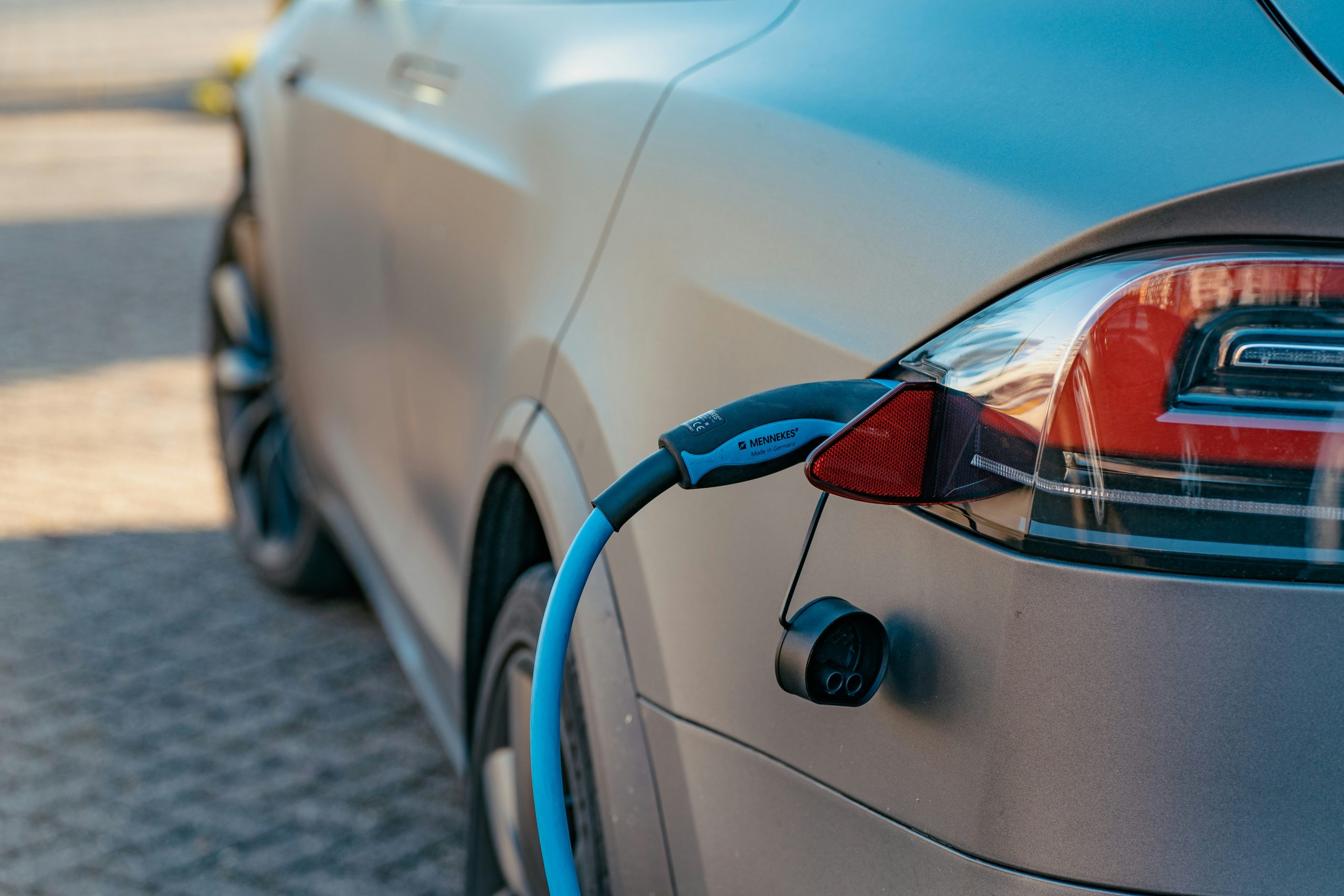


Ghana’s Energy Commission is closing in on formal rules for electric vehicle charging infrastructure, a move that puts the country ahead of several African peers still debating how — or whether — to regulate a sector growing faster than the grid that will power it.
A directive first, a law next
The Commission fired its opening shot late last year. A public notice, PN011112025, required anyone installing or operating EV charging stations and battery swap systems to first get the Commission’s approval, citing its authority under the Energy Commission Act, 1997 (Act 541).
That notice was a stopgap. The real framework is now moving through government. In February, the Commission’s board spent three days in Ho reviewing draft regulations before sending them for final technical and policy review ahead of submission to Parliament.
Board chairman John Gartchie Gatsi said the draft covers four areas: residential charging, workplace charging, public and commercial charging, and safety standards covering siting, cabling and routing.
The draft was built with the Ghana Standards Authority, which gazetted national EV charging standards back in 2023, and is now under legal review at the Attorney-General’s Department after consultations in Accra, Kumasi, Takoradi, Ho and Koforidua. Regulatory overlap with the National Petroleum Authority has reportedly been resolved.
Why the urgency
Two pressures are converging. The first is a genuine boom: Ghana now has more than 17,000 registered EVs, mostly two- and three-wheelers, making it the largest EV fleet on the continent, helped along by an eight-year import-duty waiver and zero-rated VAT for locally assembled vehicles. Yet only seven public charging stations are currently operational nationwide.
The second pressure is the grid itself. At the 2026 Future of Energy Conference, Energy Minister John Jinapor warned that rising EV demand, layered on top of growing consumption from mines, data centers and industry, requires deliberate planning to avoid straining the national power network. Grid-impact studies are now being run jointly with the Electricity Company of Ghana and GRIDCo.
There’s also a defensive motive. Officials want the rules in place partly so Ghana doesn’t become a dumping ground for older fossil-fuel vehicles being phased out in Europe and North America.
Pricing gets tested too
Regulation isn’t limited to who can build a charger. Ghana recently rolled out its first commercial EV charging tariff, set at roughly GH¢2.016 per kWh, about 18.5 cents, through the Public Utilities Regulatory Commission.
The Alliance for Sustainability Education has already pushed back, arguing the tariff needs adjustment to hit Ghana’s target of 70 percent EV adoption by 2045 without pricing out underserved regions.
How the region compares
Ghana isn’t operating in isolation, and its neighbors show different paths to the same problem.
Kenya moved fastest on paper. Its National Electric Mobility Policy, launched in February 2026, covers charging infrastructure, local assembly, incentives, standards and skills, though as of last year Kenya still had no binding standards for vehicles, chargers or batteries — its bureau of standards was still drafting them.
Kenya Power, meanwhile, has moved ahead operationally, aiming to install dozens of new charging stations across major counties.
Nigeria offers a cautionary tale. Its Electric Vehicle Transition and Green Mobility Bill passed a second reading in 2025 and remains pending presidential assent. In the meantime, adoption has outpaced infrastructure: some Nigerian charging stations and battery-swap operators are running on diesel or petrol generators because the grid can’t be trusted — precisely the outcome Ghana’s regulators say they’re trying to avoid.
India, further afield, shows what a mature framework looks like. Its Ministry of Power issued consolidated national guidelines for charging infrastructure in 2022, covering both private and public charging, backed later by a $1.12 billion scheme targeting over 72,300 public charging stations.
The open questions
Ghana’s draft still has to clear Parliament, and the timeline for that isn’t public. Nor is it clear how the Energy Commission will enforce compliance against operators who installed chargers before the authorization requirement existed, or how quickly the promised 100 rapid-charging stations over five years will materialize against a base of just seven today.
The regulatory intent is sound — Nigeria’s generator-powered charging stations are a preview of what happens when adoption outruns infrastructure planning.
Whether Ghana’s rules can move through Parliament and into enforcement before that gap widens further is the real test.