




Kora, a pan-African payments company, announced a new product that would allow merchants to accept and settle payments in stablecoins, digital tokens pegged to the U.S. dollar. The move bets that African businesses want dollar access without the delays and costs of the traditional banking system.
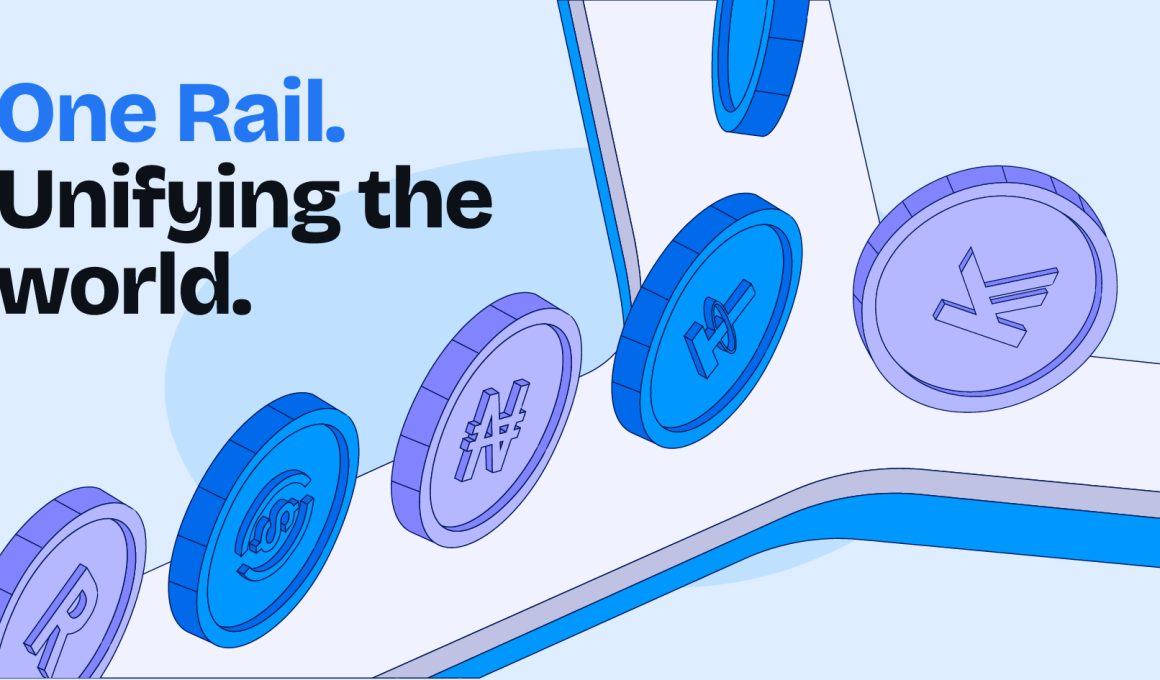
The new product, called One Rail, lets businesses collect, hold, convert and settle funds in stablecoins alongside local currencies. Kora announced the launch in Dubai.
At launch, One Rail supports Tether’s USDT and Circle’s USDC, the two largest dollar-backed stablecoins. Kora said it would add other dollar-backed tokens based on customer demand and on regulatory and operational readiness.
The problem it targets
African businesses that sell across borders face well-known obstacles. International settlements can take days. Converting between currencies is expensive. Dollars are scarce in many markets. Payment systems differ from country to country and often do not connect.
The dollar remains the main currency for much of Africa’s cross-border trade. That leaves many merchants dependent on correspondent banks and foreign exchange desks that add cost and time to each transaction.
Dickson Nsofor, Kora’s founder and chief executive, said sending money to and within Africa costs an average of 8 to 8.8 percent, compared with a global average of 6.49 percent.
“One Rail levels the playing field,” Mr. Nsofor said in a statement, adding that it would let merchants add stablecoin payments to their existing systems.
Mr. Nsofor also said stablecoin ownership in Africa had reached 78 percent. The company did not say how that figure was measured or what population it covers.
How One Rail works
Kora is pitching One Rail as an add-on, not a separate crypto product. Businesses do not need blockchain expertise to use it.
Developers reach stablecoin features through the same programming interfaces and tools they already use to connect to Kora. Merchants can generate dedicated digital wallets to receive stablecoin payments. Those payments appear in the main Kora dashboard, with real-time tracking and automatic reconciliation.
Businesses can then choose what to do with the funds. They can keep a balance in digital dollars or convert it into a supported local currency. Converted funds are paid into local bank accounts through Kora’s existing payout network.
That flexibility matters for merchants who earn in local currency but pay suppliers in dollars. Holding a stablecoin balance offers a hedge against local currency swings without opening a foreign bank account.
A limited first release
The initial rollout is narrow. It covers merchant collections, payouts and treasury functions, including wallet creation, payment confirmation and settlement.
Settlement at launch relies on manual workflows. That suggests that automated, instant conversion and payout, the feature most likely to appeal to high-volume merchants, is not yet available.
Kora did not disclose pricing, conversion fees or which African countries and currencies are supported for local settlement. It also did not name early customers.
A crowded field
Kora is not alone. Stablecoins have become one of the fastest-growing corners of African finance, particularly in Nigeria, Kenya and Ghana, where currency volatility and dollar shortages have pushed businesses and individuals toward digital dollars.
Several African fintech companies and global players have launched stablecoin payment and treasury services in the past two years. Global payments firms have also moved into the space, raising competition for the same merchants.
Kora’s advantage, if it has one, is distribution. Businesses already connected to its payment system can switch on stablecoins without adding a new vendor.
The regulatory question
Regulation remains the main uncertainty. Rules for digital assets vary widely across Africa. Some central banks have issued frameworks for virtual asset service providers. Others have restricted or discouraged banks from dealing with crypto businesses.
Kora’s statement that new stablecoins will be added based on “regulatory readiness” reflects that patchwork. How quickly One Rail expands will likely depend less on technology than on approvals market by market.
What comes next
Kora has not given a timeline for adding more stablecoins or automating settlement. The company said more information would be available on its website.
For merchants, the test will be cost. If One Rail can move money faster and cheaper than banks, and convert it back to local currency at competitive rates, it could draw real volume. If fees and manual steps eat into the savings, businesses may stick with what they know.