



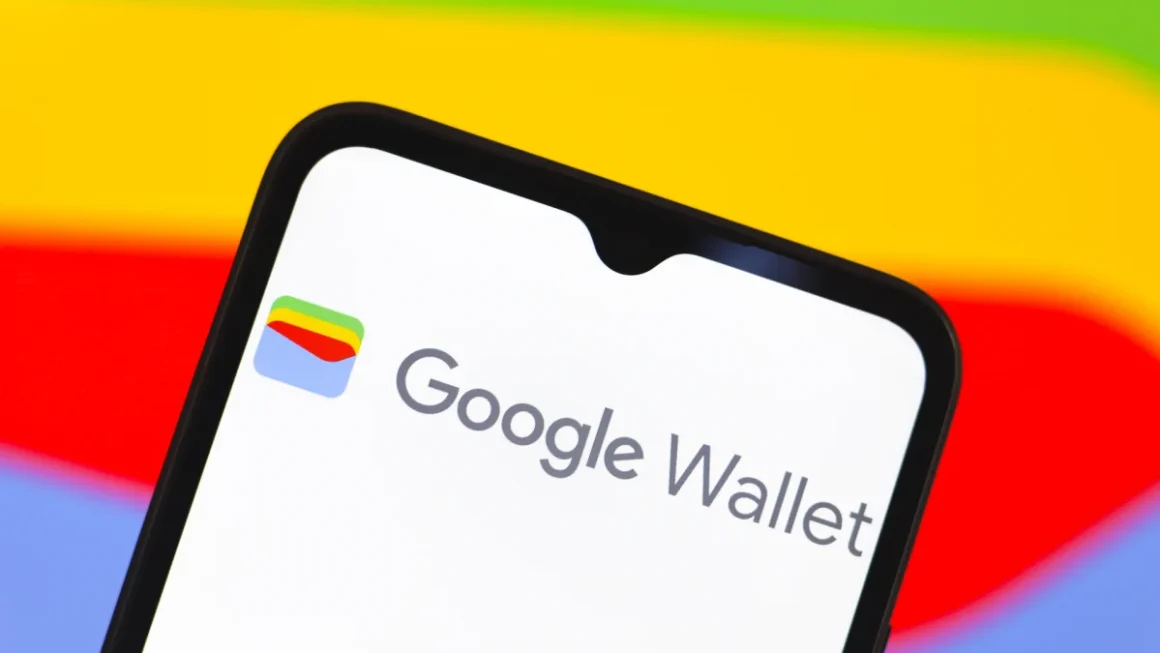
Google has launched Google Wallet and Google Pay in Nigeria. Android and Wear OS users can now pay with their phones in stores, in apps and online.
The company announced the rollout in a short blog post on Oct. 28. United Bank for Africa said Google Pay went live on Tuesday, Oct. 27, and that it was the first lender in the country to switch it on for its cardholders.
What the Service Does
Users add a supported bank card to the Google Wallet app. They can then tap their phone at a payment terminal instead of handing over a card. The same stored card works for checkout in apps and on websites.
The wallet also holds non-payment items. Google says users can keep loyalty cards, event tickets and boarding passes in the app.
On security, Google points to encryption and its Find My Device tool. That tool lets owners lock or wipe a lost phone remotely. Card numbers are not shared with merchants during contactless payments, a standard feature of tokenized wallets.
Which Banks Are In
Google did not name its banking partners. Two have stepped forward.
UBA said it has enabled Google Pay for eligible Visa and Mastercard users. Its pitch is that the phone is already the first thing customers reach for, so it should double as their wallet.
GTBank said its customers can now add their debit cards to Google Wallet. Its announcement focused on online payments for subscriptions, flights, hotels and bills, not in-store tapping.
A Nigerian with a card from a bank that has not signed on cannot use the service yet.
The Verve Question
Card networks are another limit. Early bank announcements refer to Visa and Mastercard. Paystack’s documentation says only Visa and Mastercard cards are currently supported for Google Pay through its checkout.
Verve, the domestic card scheme run by Interswitch, issues a large share of Nigerian debit cards. Google has not said whether Verve cards can be added to the wallet for in-store payments. If they cannot, many cardholders will be left out.
Payment Firms Were Ready Early
Parts of Nigeria’s payments industry prepared for Google Pay before the consumer launch. Interswitch had already added Google Pay to its payment gateway. Paystack lets Nigerian businesses accept Google Pay, including from customers abroad with supported cards and devices.
That means online checkout may see uptake first. Merchants on those gateways can turn on the option without new integration work.
The Terminal Problem
In-store use is harder. Tap-to-pay requires NFC-enabled point-of-sale terminals. Nigeria has a large POS network, but many terminals are used mainly for card-insert and cash-out services by agents.
The phone side is also uneven. Contactless payment needs an Android device with NFC. Many low-cost handsets sold in Nigeria lack the chip. Google did not say how many Nigerian Android users have compatible devices.
Habits are a third hurdle. Nigerians already pay daily by bank transfer, USSD codes and apps such as OPay and Moniepoint. Instant transfers are cheap and familiar. A card-based wallet has to beat that on speed or convenience to win regular use.
Where It Could Win
The clearest use cases are international. Google Pay is accepted widely abroad and on global platforms. Nigerians who pay for streaming, software, travel or online shopping in foreign currency may find it more convenient than typing card details.
That depends on banks’ dollar spending limits on naira cards, which have tightened and loosened repeatedly in recent years. Google Pay does not change those limits.
The Bigger Picture
Nigeria is a prize market for global payment companies. It has more than 200 million people, a young population and one of Africa’s most active fintech sectors.
But local players already dominate everyday payments. Google enters as a convenience layer on top of bank cards, not as a replacement for transfers or mobile money.
Its success will turn on three things: how quickly more banks sign on, whether Verve is included, and whether merchants upgrade to contactless terminals. For now, the service is most useful to Nigerians with a UBA or GTBank Visa or Mastercard, an NFC phone, and frequent online purchases.