





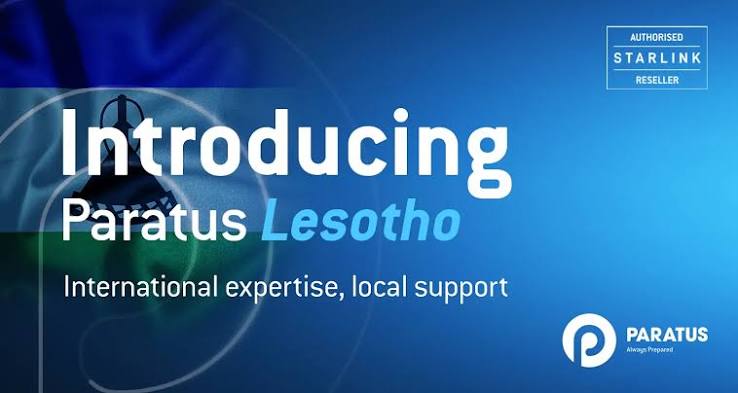
Starlink is officially in Lesotho, actively competing with traditional telecom companies despite the mixed reactions that originally met its introduction.
Paratus Group formally launched Paratus Lesotho on Thursday, November 5, 2026, delivering Starlink enterprise connectivity alongside its own network solutions to businesses and organizations across the Kingdom of Lesotho.
This rollout highlights a massive shift in how major telecom companies view the satellite giant. Instead of treating it as an existential threat, legacy networks are now embracing Starlink as an essential piece of infrastructure to improve their own business models.
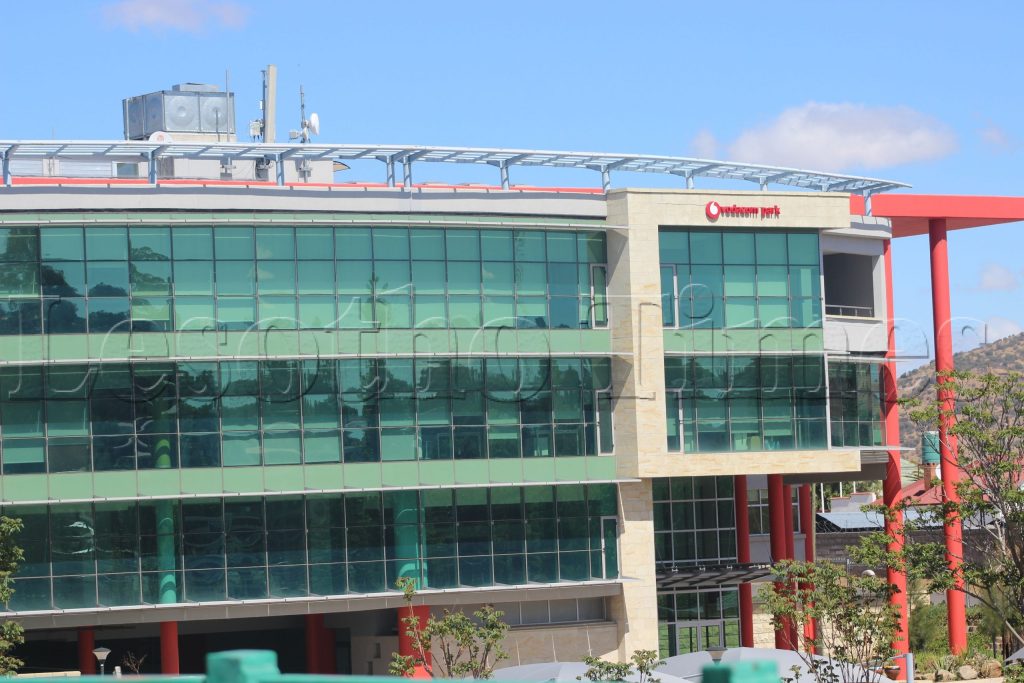
For instance, on October 12, 2026, Vodacom Lesotho officially launched its own satellite connectivity solution directly powered by Starlink’s Low Earth Orbit (LEO) technology, a strategic path now mirrored by Paratus Lesotho.
Similarly, the public sector no longer views satellite connectivity as a luxury setup. LEO technology is now fully integrated into the state’s daily operations, reliably powering connectivity across 25 police stations, national traffic management systems, and disaster response teams throughout Lesotho’s most rugged, mountainous areas.
However, a distinct division has opened up between remote business operations and the average residential consumer. While corporate institutions are happily paying for high-grade satellite setups through local providers, residential adoption remains flat.
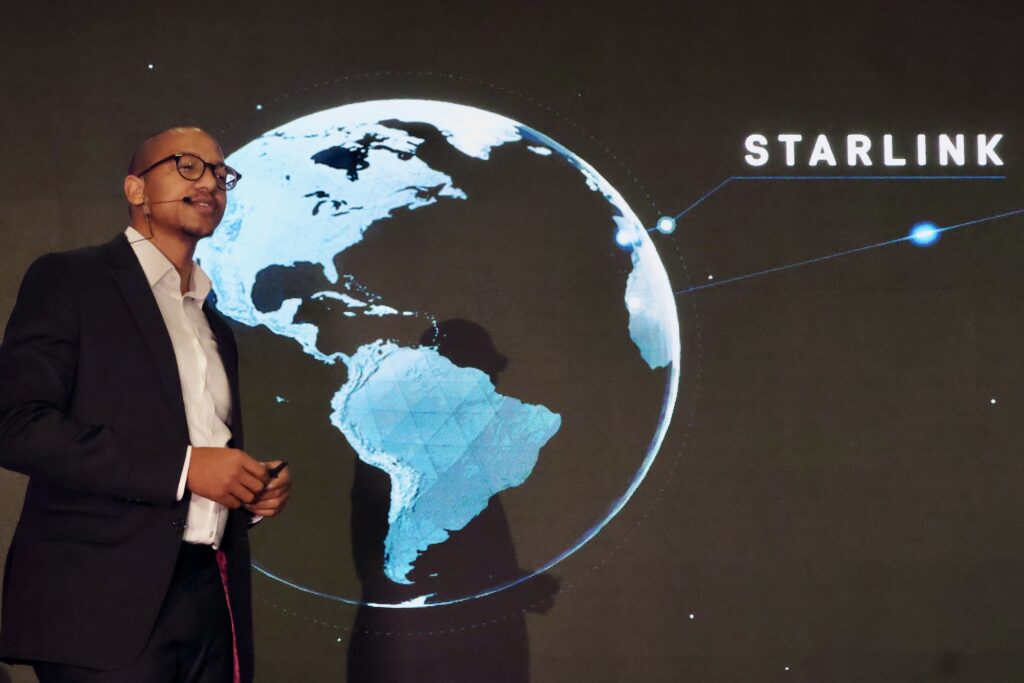
This raises a crucial question for the everyday consumer: Can the average person in Lesotho actually afford Starlink?
To find the answer, here is exactly how the confirmed numbers stack up between Starlink and Lesotho’s two primary mobile networks, Vodacom Lesotho and Econet Telecom Lesotho:
Confirmed Internet Cost Comparison (Lesotho Maloti / ZAR)
| Cost component | Starlink Lesotho | Vodacom Lesotho | Econet Telecom Lesotho |
| Upfront setup/Hardware | M7,400 (Standard Kit)M3,800 (Mini Kit) | M999 (Prepaid Home Router) | M699 (One-off Home Installation) |
| Minimum signup cost | M4,240 to M7,840 (Kit + 1st month + shipping) | M1,098 (Prepaid Device + starting 7-day data) | M1,148 to M1,348 (Setup fee + 1st month) |
| Ongoing monthly cost | M950 flat (Uncapped Residential) | M350 to M630 (Prepaid Home Uncapped)M99 (10GB wireless entry) | M499 to M649 (Fibre / LTE Unlimited) M99 (LTE Limited entry) |
| Commitment type | Strict Flat-Rate: All-or-nothing monthly fee. | Pay-As-You-Go / Flexible: Daily, weekly, or volume bundles. | Flexible Monthly Plans: Scaled options for home budgets. |
Analyzing the Market Realities
The confirmed pricing data directly reflects a stark division in Lesotho’s connectivity landscape. The data shows that while Starlink is a major problem solver for deep mountain corporations, it remains hugely detached from the financial reality of the average citizen. Walking away with a functioning Starlink connection demands an immediate lump-sum layout; conversely, the average Joe can walk into a local Vodacom or Econet shop and get online immediately at a much lower rate.
This financial friction goes far beyond the baseline signup fees, embedding itself deeply within the physical requirements of the technology itself.
Hidden Setup Costs
Setting up the Starlink hardware requires a completely unobstructed view of the sky to secure a stable signal. In hilly terrain, this means a consumer might be forced to purchase an expensive, specialized roof mount, hire a local technician to drill holes into their home, or buy an extended proprietary cable if the dish needs to be placed far away.
These unadvertised, hidden installation costs add up quickly. Conversely, a Vodacom or Econet router is quite literally “plug and play.”
A user can simply place it on a table, plug it into the wall, and get online immediately, requiring absolutely no tools, no technicians, and no extra hardware.
Realistic User Scenarios
Consider the average consumer, a local student, or a small grocery shop owner in a rugged, rural district like Thaba-Tseka. They primarily rely on the internet to check WhatsApp, apply for job opportunities, or stream an occasional video, forcing them to handle their day-to-day finances carefully while saving and planning for their families’ futures.
In a slow business week, a flexible M12 weekly data bundle from Vodacom easily keeps them connected to their community. For these everyday users, committing to a rigid, exorbitant monthly bill is an absolute luxury rather than a daily necessity.
On the other end of the spectrum is a high-end eco-tourism lodge deep in the Maloti Mountains, perched on a sheer cliffside overlooking the Orange River wetlands. This ultra-exclusive retreat offers wealthy international travelers a sanctuary of sustainable luxury. For this type of corporate operation, eliminating costly off-grid infrastructure by using Starlink is an easy choice.
It provides highly reliable, high-speed connectivity for real-time logistics, secure credit card payment processing, and emergency communications in rugged terrain. It beautifully bridges the gap between isolation and modern life, offering seamless, high-bandwidth internet for streaming, remote work, and instant sharing of the mountain experience.
Conclusion: A Persistent Digital Divide
Starlink’s arrival has shown that Lesotho’s rugged mountains are no longer a barrier to staying connected, but the average consumer’s wallet certainly is.
While businesses and other corporate entities view Starlink as a high-value tool for advancement, everyday consumers see it as a sound but unaffordable service, continuing to prefer bite-sized local mobile data bundles from classic land networks. Until equipment costs drop drastically,
Starlink will continue to be a premium service for the wealthy, leaving ordinary citizens stuck in a persistent digital divide.