




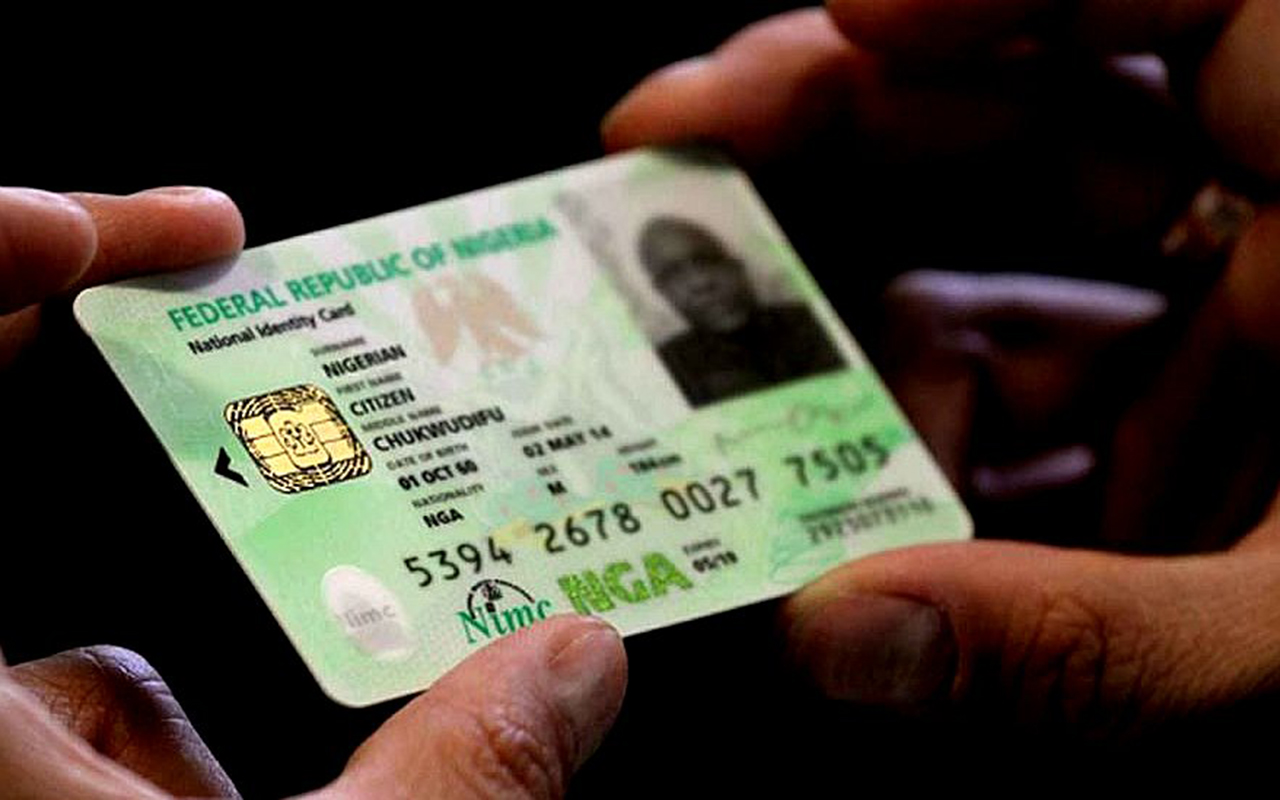
If you have a Nigerian bank account, you have a BVN. Introduced in 2014, the Bank Verification Number links every bank customer’s biometric identity — fingerprints and photographs — to their accounts across all Nigerian financial institutions.
It was designed to kill off ghost accounts and reduce fraud.
Nigeria now has over 67.8 million BVN registrations as of December 2025, up from 51.9 million in 2021. Mobile banking is mainstream. Digital transfers happen in seconds. And fraud, predictably, has followed the money.
Now the Central Bank of Nigeria is hitting back with the most significant overhaul of the BVN framework since the system launched.
The One Rule That Changes Everything
The headline change is this: under the new rules, you can change the phone number linked to your BVN only once in your lifetime.
Phone numbers linked to the BVN are critical to Nigeria’s banking infrastructure — used for one-time passwords, transaction alerts, and account recovery. Your phone number, effectively, is a master key to your financial life.

Any update must be handled with extreme caution. Once the single permitted change is exhausted, further modifications will likely involve arduous regulatory hurdles and potential service disruptions.
The risk is especially acute for anyone who registered years ago on a SIM card they no longer control. If that number is gone, your options become very limited, very fast.
The Fraud Problem Driving All of This
Why now? SIM-swap fraud — in which criminals convince a telecom provider to transfer your phone number to a SIM they control — has become one of the most damaging threats to Nigerian bank customers.
By controlling your phone number, a fraudster can intercept OTP codes, reset passwords, and drain accounts before the victim realizes anything is wrong.
The numbers back up the urgency. Digital payment fraud losses fell 51 percent to ₦25.85 billion in 2025, down from ₦52.26 billion in 2024. That’s progress — but it still represents tens of billions of naira stolen from ordinary Nigerians.
The CBN is trying to close the remaining gaps before fraudsters adapt.
What Else Is Changing
The phone number restriction is the most personal change, but it’s one piece of a broader set of updates:
One device, one banking app: Mobile banking apps will now be restricted to one device at a time. Logging into a new device will automatically log out the previous one, and switching devices will require additional verification before access is granted.
A real-time fraud watchlist: Financial institutions are now empowered to place a BVN on a temporary watchlist for up to 24 hours if a transaction triggers a red flag.
This means transfers, payments, or withdrawals may be stalled mid-process while banks seek further clarification. The 24-hour cap is designed to let banks act fast without immediately freezing accounts — a pressure valve between inaction and a full lockdown.
Adults only: Only individuals aged 18 and above are now eligible for BVN enrollment, ensuring that biometric markers are tied strictly to legally recognized adults.
Restricted database access: Access to the BVN database is now strictly limited to the CBN and licensed financial institutions. The tighter circle of access is aimed at reducing unauthorized data usage and plugging cybersecurity gaps.
The Diaspora Exception
One notable expansion runs counter to the tightening trend. The CBN launched the Non-Resident BVN (NRBVN), allowing Nigerians in the diaspora to enroll remotely.
Governor Olayemi Cardoso said the initiative will help hit the target of $1 billion in monthly formal remittances.
The logic is straightforward: locking down the system domestically while opening a verified channel for diaspora money is how you grow formal financial flows without growing fraud exposure.
What You Should Do Before May 1
The deadline is May 1, 2026. If your BVN is linked to a phone number you no longer use or can’t access, that is the problem to solve right now — before the one-change rule kicks in and that window closes permanently.
Nigerians can visit their bank branch with a valid ID, confirm which number is currently linked, and update it if necessary.