





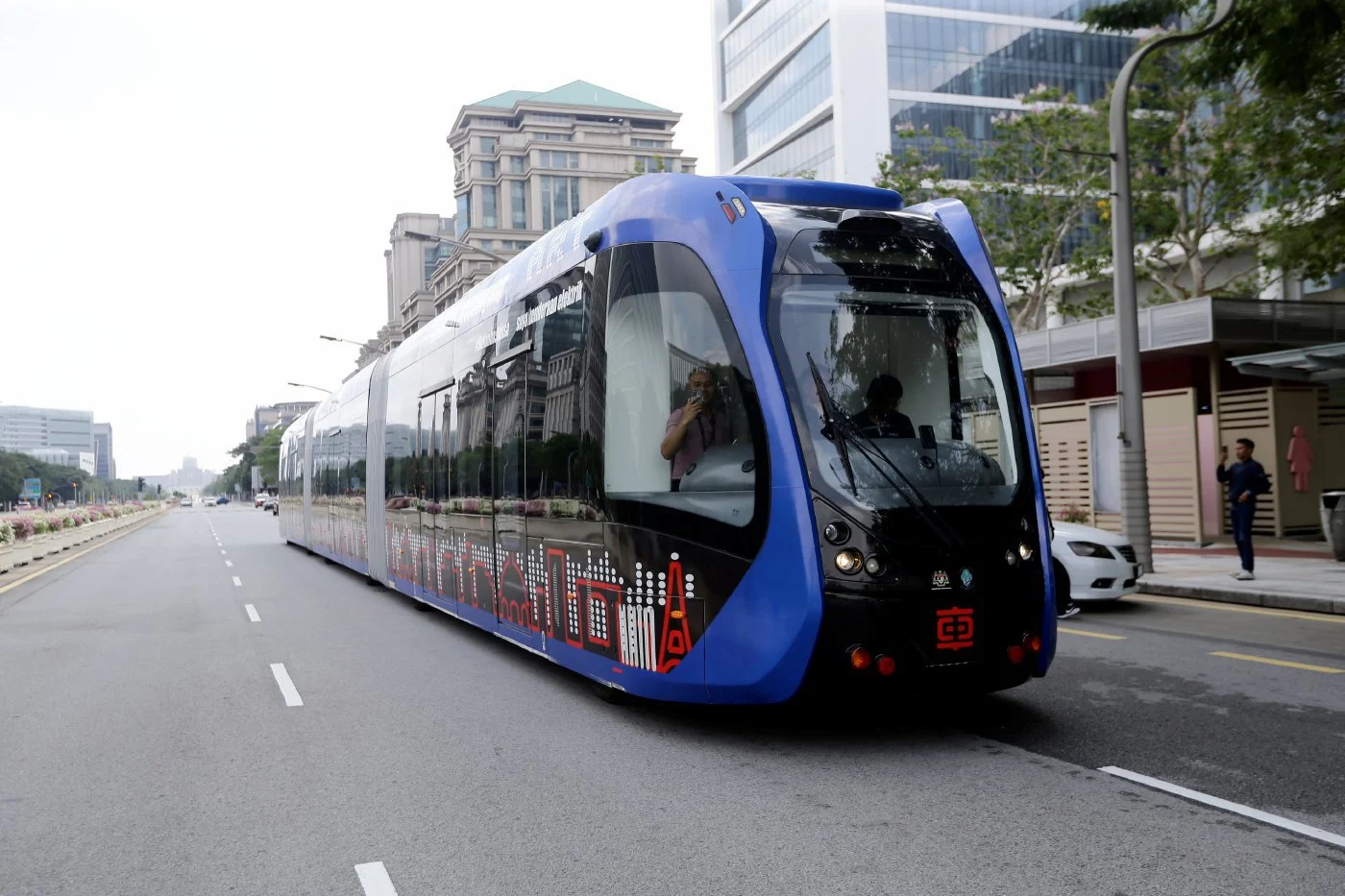
Accra, Ghana — Ghana’s government is reportedly creating plans for an Autonomous Rapid Transit (ART) system as a transformative fix for the country’s notorious urban congestion.
Deputy Transport Minister Dorcas Affo-Toffey announced the initiative last week after leading a delegation from Metro Mass Transit Limited to CRRC Corporation Limited in Zhuzhou, China.
The ART concept — essentially a guided bus system with autonomous or semi-autonomous features operating on dedicated lanes — is positioned as a cheaper, faster alternative to full light rail or metro systems.
While the technology has shown promise in parts of Asia, skeptics question whether Ghana’s institutions and infrastructure are prepared for such a leap.
“Our engagement focused on the study and potential development of an Autonomous Rapid Transit (ART) system aimed at improving urban mobility, reducing traffic congestion, and providing safer, faster, and more efficient public transportation,” Affo-Toffey stated in a Facebook post.
The government frames the project as aligning with President John Dramani Mahama’s vision for modernizing transport.
Recurring Challenges in a New Package
Ghana’s urban transport crisis is undeniable. Accra and other major cities suffer from chronic gridlock, aging fleets, poor enforcement of traffic rules, and fragmented operators.
Previous attempts at Bus Rapid Transit (BRT) reforms have delivered limited results, often undermined by encroachment on dedicated lanes, funding inconsistencies, and coordination failures between ministries and local authorities.
An autonomous version raises the technical stakes considerably.
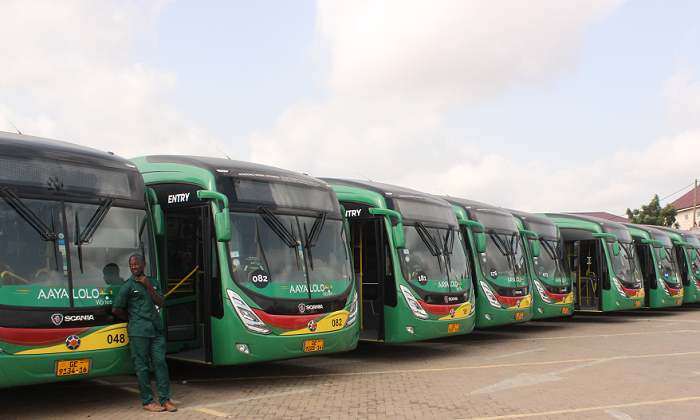
ART systems still require high-quality dedicated infrastructure, reliable power supply, advanced signaling, and sophisticated maintenance capabilities — areas where Ghana has a mixed track record.
Frequent power outages, skills shortages in high-tech engineering, and challenges with spare parts logistics could quickly turn sophisticated vehicles into expensive liabilities.
It would appear that the government is once again chasing flashy foreign technology without first fixing foundational issues such as basic road maintenance, traffic management, and regulatory enforcement. Without these, even the smartest transit system will underperform.
The China Partnership Question
The choice of CRRC, a Chinese state-owned giant, fits Ghana’s long-standing pattern of turning to Beijing for large-scale infrastructure. While such partnerships can accelerate project timelines and offer financing, they have also fueled concerns about debt sustainability, opaque contracting, and limited local content.
Ghana’s existing debt burden already constrains fiscal space. Any significant ART rollout would likely involve loans or complex public-private arrangements, raising questions about long-term repayment and fiscal risks.
Past Chinese-backed projects in the region have sometimes resulted in high costs, modest technology transfer, and dependency on foreign operators for maintenance.
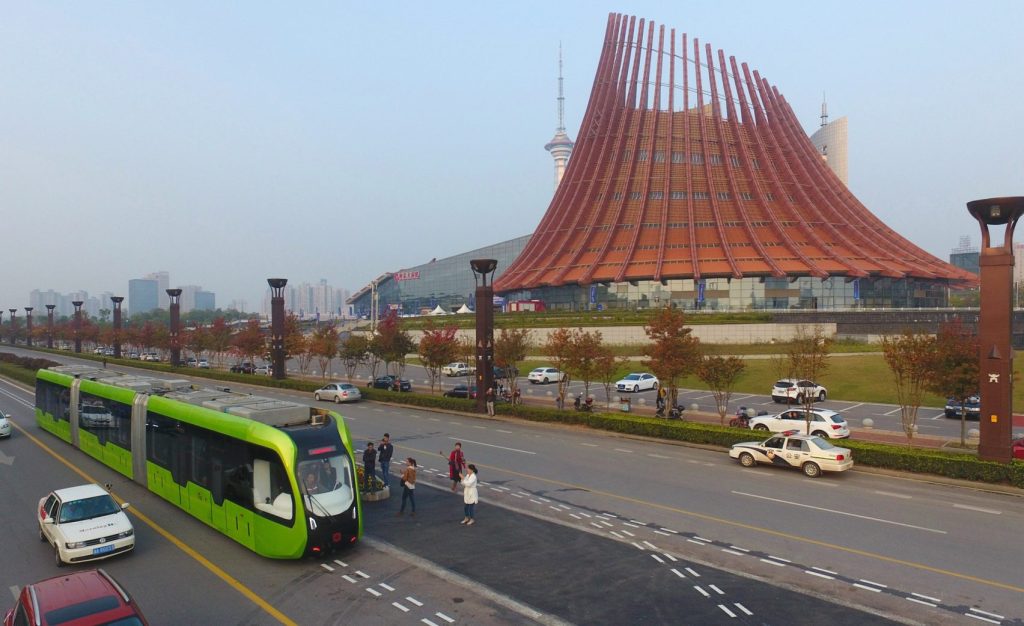
How much genuine knowledge transfer and local manufacturing will occur remains unclear. Without robust local capacity building, Ghana risks importing both the hardware and the ongoing expertise — a costly proposition for a developing economy.
Implementation Risks Loom Large
Several practical hurdles stand out:
- Funding and Prioritization: With competing demands in health, education, and agriculture, will ART secure sustained budgetary commitment across political cycles?
- Urban Integration: Dedicated corridors in densely populated, informally developed cities like Accra will require significant land acquisition or demolition — politically and socially explosive issues.
- Regulatory and Safety Framework: Autonomous or guided transit demands modern traffic laws, data governance, and safety standards that Ghana’s institutions have yet to fully develop.
- Economic Realism: Will fares be affordable for the average commuter, or will the system primarily serve higher-income corridors, potentially exacerbating inequality?
The exploratory phase offers an opportunity to address these issues, but Ghana’s history of transport projects suggests a tendency toward grand announcements followed by slow progress. Pilot projects, transparent feasibility studies, and independent cost-benefit analyses will be essential to separate rhetoric from viable engineering.
As Ghana pursues economic repositioning, modernizing urban mobility is undoubtedly critical for productivity, investment appeal, and quality of life.
Yet the ART initiative risks becoming yet another headline-generating idea that fails to deliver measurable relief to long-suffering commuters. Success will require far more than study tours and memoranda of understanding — it will demand disciplined execution, realistic budgeting, and a willingness to tackle the unglamorous basics of governance and maintenance first.
For now, cautious optimism is warranted, tempered by the hard lessons of previous infrastructure initiatives.