

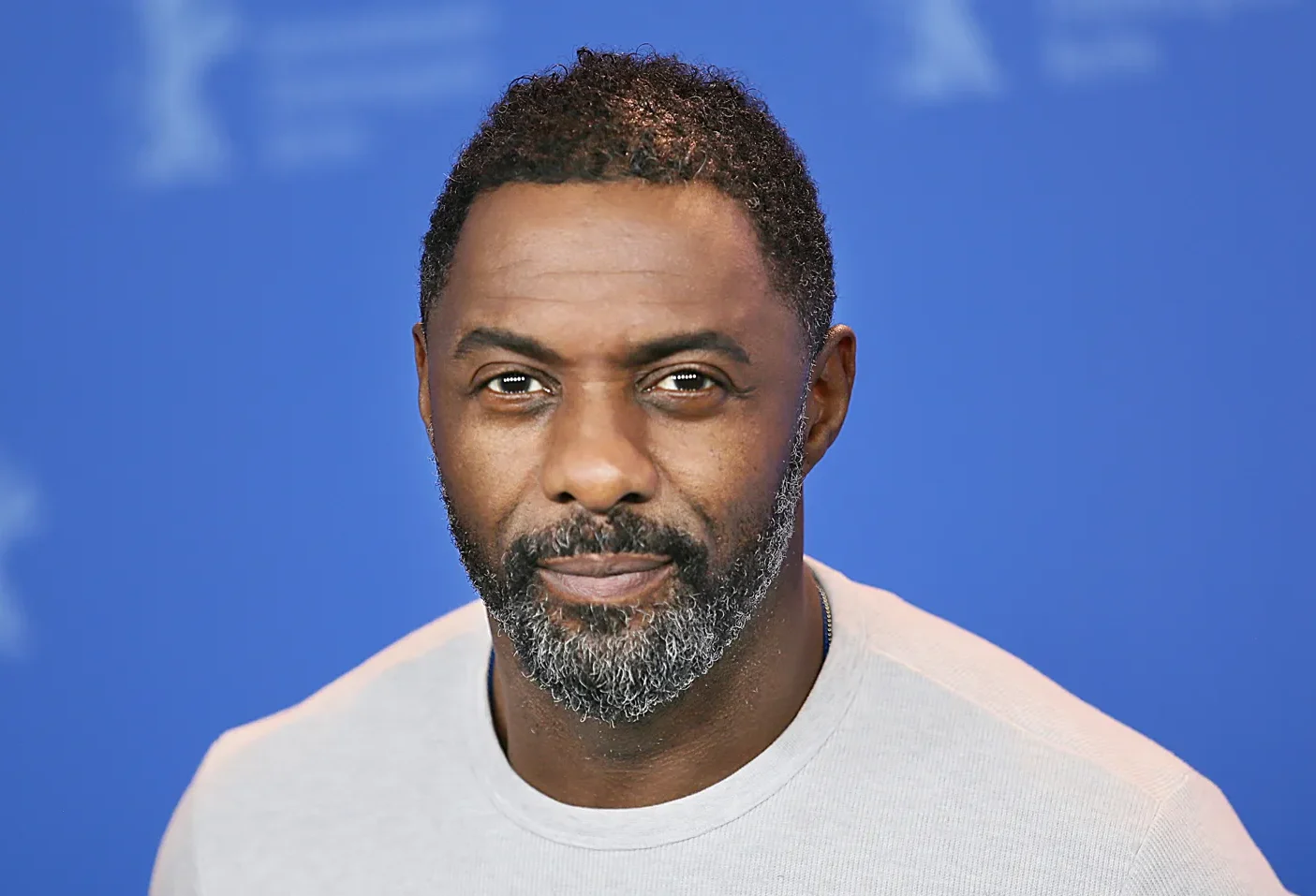
Alphabet Inc.’s Google and actor Idris Elba are teaming up to fund artificial intelligence access for African creators, a roughly $1 million commitment aimed at helping the continent’s filmmakers, writers and artists produce work without the budgets typically required by major studios.
The initiative, backed by Elba’s Elba Hope Foundation, will give about 100,000 creators in Nigeria, South Africa, Ghana, Kenya and Sierra Leone access to Google’s Gemini AI assistant and other digital tools, according to James Manyika, the company’s senior vice president for research and technology.
A Budget Workaround, Not a Handout
Manyika framed the effort as addressing a structural problem rather than offering charity. Many talented creators across the continent simply lack the capital that studios elsewhere take for granted, he said.
“We think about all those creatives who don’t have access to these enormous studio budgets,” Manyika said in an interview. “AI is potentially a tool that can enable them to do work that they couldn’t otherwise do because they don’t have huge budgets.”
The scale of the underlying problem is stark. Africa is home to the world’s youngest and fastest-growing population, yet the continent has fewer than 3,000 cinema screens in total — a gap that has long constrained both production and distribution of homegrown content.
Elba’s Growing Africa Footprint
The partnership is the latest step in Elba’s push to position himself as a major investor in African entertainment. Speaking on a video call at Google’s AI summit in Johannesburg, Elba said the core issue was never a shortage of skill.
“The barrier is not a lack of vision — it’s a lack of access,” he said. “Talent is everywhere, opportunity is not.”
Elba has said he plans to establish a physical presence on the continent within the next few years to build out production infrastructure at scale. He has previously floated a creative village in Ghana and a studio complex in Zanzibar, both aimed at producing culturally grounded content for global streaming platforms. Google’s ownership of YouTube, the world’s largest video platform, gives the tech giant an obvious distribution incentive of its own.
Elba has also moved into African fintech through Akuna Wallet, a venture that will handle cross-border payments for creators — a persistent friction point for artists trying to get paid across the continent’s fragmented banking systems.
The Money Behind the Moment
The timing reflects where the industry is heading. Africa’s media and entertainment market is currently valued at about $93 billion and is projected to grow to $118 billion by 2031, according to Mordor Intelligence. That growth trajectory has made the continent increasingly attractive to global technology and entertainment companies looking for their next audience — and their next source of content.
Google’s commitment extends beyond the creator program. The company plans to select 15 African startups starting July 21 for an AI-focused accelerator, part of a broader goal to support 50 ventures on the continent by 2028, Manyika said.
The Access Question
What’s notably absent from Google’s announcement is any detail on outcomes: no target for how many projects the tools are expected to produce, no benchmark for what “high-quality content faster and more cheaply” will actually look like in practice, and no word on what happens to creators’ access once the initial funding runs out.
Google and Elba are also, by definition, interested parties — Google in expanding Gemini’s footprint and YouTube’s content pipeline, Elba in building the very studio infrastructure this program is meant to feed into.
That doesn’t make the investment meaningless. Tool access is a real constraint for creators operating without studio backing, and $1 million spread across 100,000 people, however thin per capita, lowers a genuine barrier to entry.
But whether AI tools translate into a sustainable production pipeline — or just a temporary subsidy — will depend on infrastructure, distribution deals and follow-through that neither Google nor Elba has detailed yet.
Source: Bloomberg