





ACCRA, Ghana — For years, skin-analysis apps have struggled with a basic problem: they don’t see dark skin well. Trained mostly on lighter tones, these tools routinely misread hyperpigmentation, dryness and texture on Black skin — treating an entire market as an afterthought.
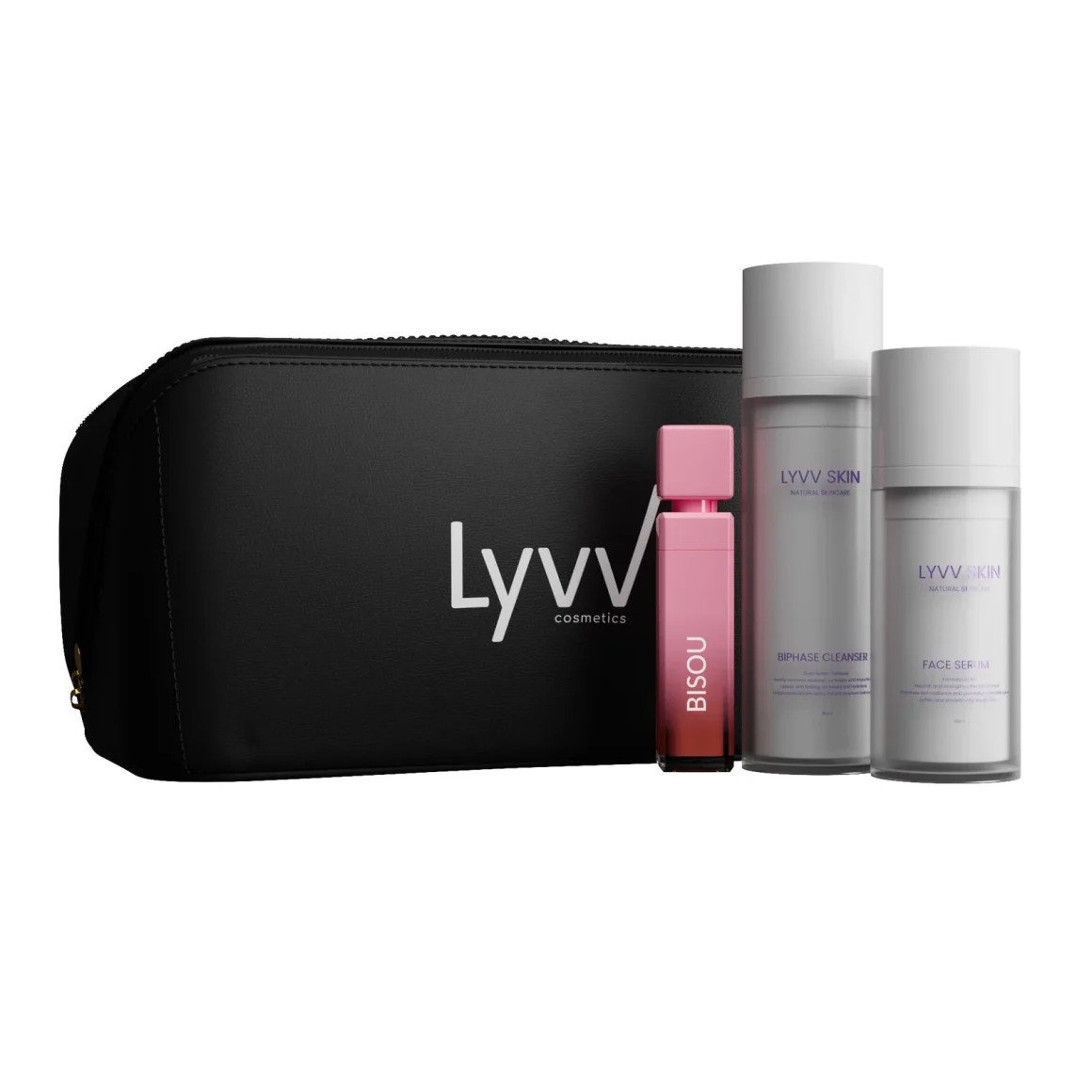
Lyvv Cosmetics, a clean-beauty brand founded in Accra in 2015, is betting it can close that gap. The company announced Monday a partnership with Oyster, a startup building AI infrastructure for beauty businesses, to launch a skin-analysis tool designed and tested specifically for Fitzpatrick IV–VI skin — the deeper end of the skin-tone scale that mainstream beauty tech has largely ignored.
How It Works
The tool sits at the front of Lyvv’s online store. A customer uploads three photos and gets a diagnosis in seconds — flagging issues like hyperpigmentation, breakouts or texture — paired with product recommendations pulled from Lyvv’s own lineup.
A shopper in Accra and one in Atlanta get the same analysis, without a salesperson’s guesswork or a generic quiz standing in for actual skin data.
A Narrow but Real Gap in Beauty Tech
The problem Lyvv and Oyster are targeting isn’t hypothetical. Skin-analysis algorithms, like much of computer vision, tend to perform worse on darker skin because they’re trained on datasets skewed toward lighter tones — a pattern well documented in facial-recognition and dermatology AI research alike.
Oyster says its “Skin Intelligence Engine” was built and evaluated in the opposite order, optimizing for accuracy on deep skin tones first rather than retrofitting a lighter-skin model later.
That claim is central to the partnership’s pitch, but it’s also unverified by outside testing. Neither company has published accuracy benchmarks, third-party audits, or details on training-data composition — information that would let dermatologists or independent researchers assess how well the tool actually performs across skin tones.
For a product marketed on solving a bias problem, that transparency gap is worth watching as the rollout continues.
Timing: A Funding Round and a U.S. Retail Push
The launch lands as Lyvv scales beyond its home market. The company closed a $1 million blended-finance round after reporting $550,000 in 2025 revenue, and is now expanding onto Amazon in the United States, Canada, and Mexico.
That shift matters: it puts Lyvv’s products in front of customers who will never visit a physical counter or talk to an in-store consultant — raising the stakes for a digital tool that has to substitute for human expertise entirely.
Lyvv is also the first of what Oyster describes as a broader slate of African beauty brands it plans to bring onto its platform in 2026, positioning this partnership as a template rather than a one-off.