



Quidax, the first digital asset exchange to receive a provisional license from Nigeria’s Securities and Exchange Commission, is expanding its stablecoin payment infrastructure to more than 21 countries and 14 currencies, the company announced Tuesday.
The move positions the exchange to capture a larger share of Africa’s cross-border payments market, which loses an estimated $5 billion a year to fees and delays.
The expansion covers nine African markets — Nigeria, Ghana, Kenya, Tanzania, Rwanda, South Africa, Ethiopia, Cameroon, and Côte d’Ivoire — alongside Canada, China, the United Arab Emirates, the United Kingdom, the United States, and several European countries.
The Problem Quidax Says It’s Solving
Cross-border payments within Africa remain among the most expensive in the world. A business in Accra sending money to a partner in Durban typically has that payment routed through a correspondent bank in Europe — a process that can take up to seven days and cost as much as 13 percent of the transaction’s value, more than double the global average of 6 percent.
Quidax says its infrastructure settles payments in under 48 hours without routing through a correspondent bank, at a cost below the global average and in line with a target set by the G20 and the United Nations Sustainable Development Goals of 5 percent.
“Africa is home to the world’s fastest-growing economies, yet individuals and businesses pay an ‘African border levy’ every time they move money across the continent,” said Buchi Okoro, Quidax’s chief executive and co-founder, in a statement.
A Regulatory Edge, For Now
Quidax’s positioning rests heavily on its regulatory status. It holds a provisional license from Nigeria’s SEC — a designation that puts it among a small number of exchanges operating under direct securities regulation anywhere on the continent. The company says it is pursuing additional licenses in other markets, though it did not specify which jurisdictions or provide a timeline.
That compliance framing matters commercially: stablecoin infrastructure aimed at startups, fintechs, and enterprises depends on institutional partners being comfortable with the regulatory footing, particularly as global stablecoin issuers and payment processors grow more cautious about unlicensed rails.
Quidax lists Tether, the largest stablecoin issuer by market capitalization, and Chainalysis, a blockchain compliance firm widely used by exchanges and regulators, among its partners.
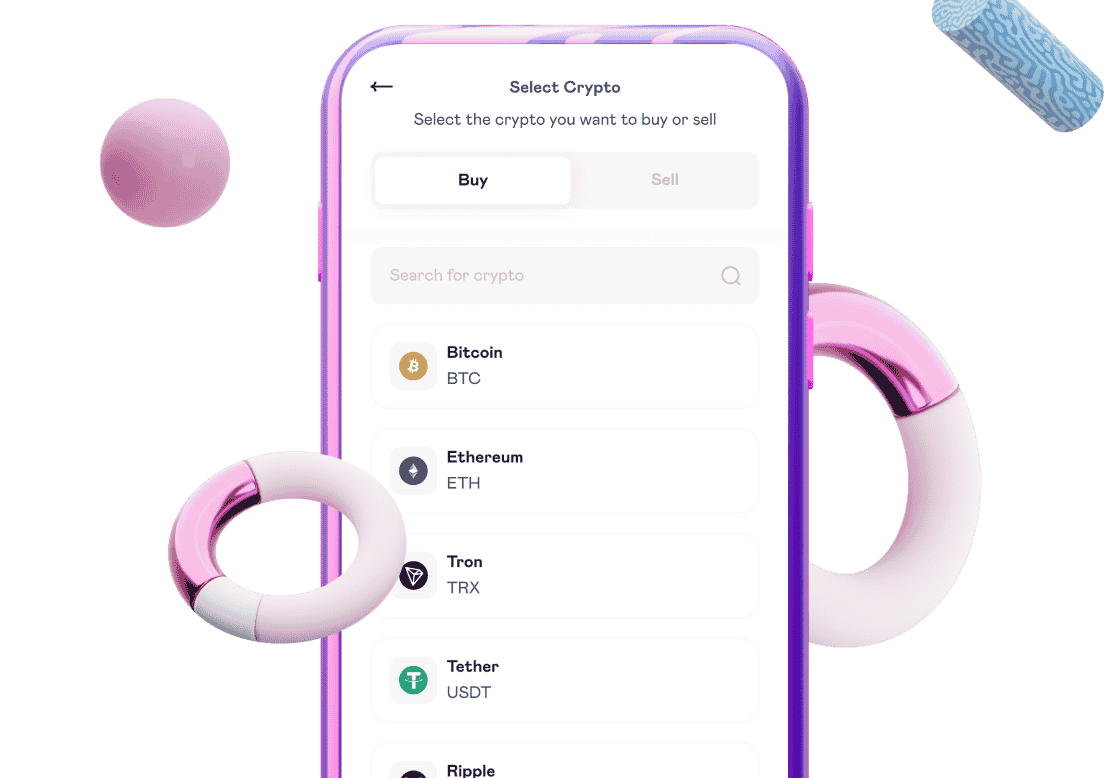
The rails support USDT, XAUT, and USAT — a tether-linked gold token and a newer Tether-backed dollar stablecoin, respectively — along with what the company describes as other leading stablecoins. On the fiat side, the listed currencies include the naira, the Ghanaian cedi, the Central African and West African CFA francs, and the US dollar, among the 14 supported.
Competitive Context
Quidax is not alone in chasing this opportunity. Yellow Card, Chipper Cash, and a growing list of African fintechs have built or expanded stablecoin-based settlement products over the past two years.
Those companies are betting that dollar-pegged tokens can bypass the correspondent banking bottleneck that has long made intra-African payments more expensive than sending money to Europe or the US. Quidax’s differentiator, as presented, is regulatory standing rather than product novelty.
It is a bet that as African regulators tighten oversight of crypto-linked payment rails, licensed players will be better positioned to work with banks, card networks, and large enterprise clients than unlicensed competitors.
Whether that bet pays off will depend on details the company has yet to make public: actual transaction volumes, the pace of additional licensing, and independently verifiable settlement and fee data across its expanding footprint.