



ACCRA, Ghana — The internet in northern Ghana has always trailed the rest of the country. Fewer providers operate there. Speeds are slower. Prices are higher.
The U.S. government wants to help change that — not by digging new trenches, but by using wires that are already there.
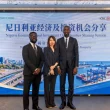
The U.S. Trade and Development Agency signed an agreement with CSquared Ghana Ltd., a telecommunications infrastructure company, to fund a feasibility study. The plan: lay fiber optic cable along electricity lines already operated by the Northern Electricity Distribution Company, known as NEDCo.
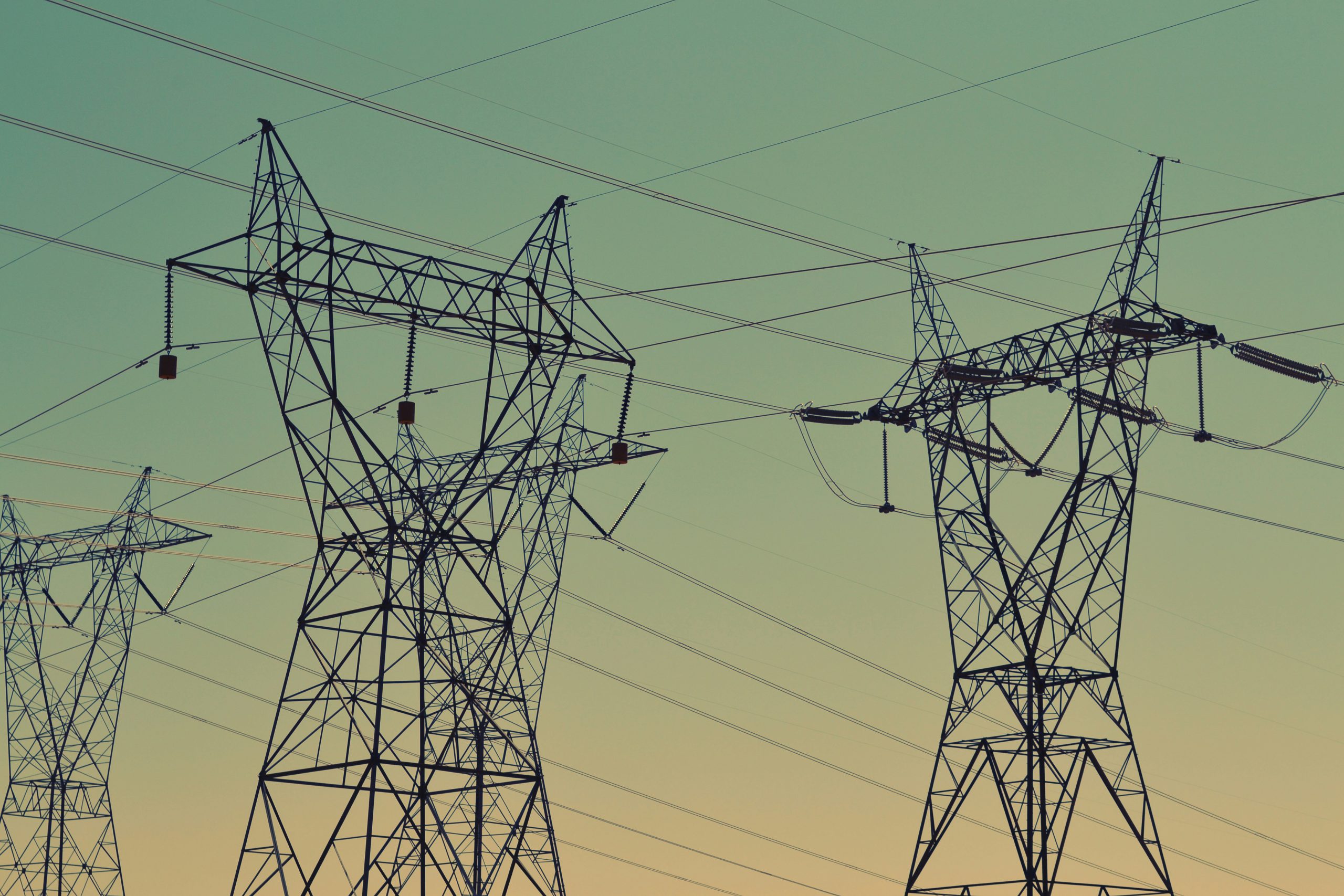
Those power lines stretch across more than 60 percent of Ghana. If the approach works, it could turn an existing grid into the backbone of a new broadband network — without the cost of building one from scratch.
Why Power Lines
Laying fiber usually means digging up roads, negotiating land rights, and stringing new poles. That work is slow and expensive, especially in rural regions with few paying customers to justify the cost.
Attaching cable to power infrastructure that already reaches those areas sidesteps much of that expense. NEDCo’s lines already connect towns, schools and hospitals across the north. The fiber would simply ride along.
The approach is not new globally, but it is still uncommon in West Africa, where much of the region’s telecom buildout has relied on Chinese vendors and financing.
An Open Network, by Design
The project follows what is known as an open-access model. Instead of one company owning the fiber and selling access on its own terms, multiple internet providers and mobile carriers would be able to use the same network.
USTDA and CSquared say that structure serves two goals. It creates competition among providers, which should push down prices. And it limits reliance on any single vendor’s equipment — a point the agency has emphasized in several similar deals across Africa in recent years.
“Developing digital infrastructure is not just about internet access,” said Thomas R. Hardy, USTDA’s deputy director, in a statement. “It also means ensuring that trusted technology underpins the networks that governments, hospitals, and schools depend on for secure communications.”
What the Study Will Actually Do
USTDA’s grant does not fund construction. It pays for the groundwork: assessing technical requirements, estimating market demand, and building a financing plan to attract investors.
A request for proposals will be posted on USTDA’s website, and the winning contractor will be a U.S. company, as required under the agency’s rules.
If the study finds the project viable, the next step is securing financing for actual construction — a separate and more difficult hurdle.
The Bigger Picture
Northern Ghana’s digital divide has real consequences. Weak connectivity limits telemedicine, remote schooling, mobile banking and emergency coordination in a part of the country that already lags economically.
CSquared’s West Africa regional director, Estelle Akofio-Sowah, said the project would let more operators reach “mobile distribution points, schools, hospitals, government institutions, businesses and communities across northern Ghana.”
For the United States, the deal also fits a broader strategy. USTDA has funded similar feasibility studies for fiber and wireless projects in Kenya, Nigeria, Benin, Côte d’Ivoire and beyond, part of a push to expand American-built telecom infrastructure in markets where Chinese firms have dominated.
Whether the northern Ghana project moves from study to steel-and-glass reality now depends on what the feasibility work finds — and whether investors are willing to fund the next stage.