



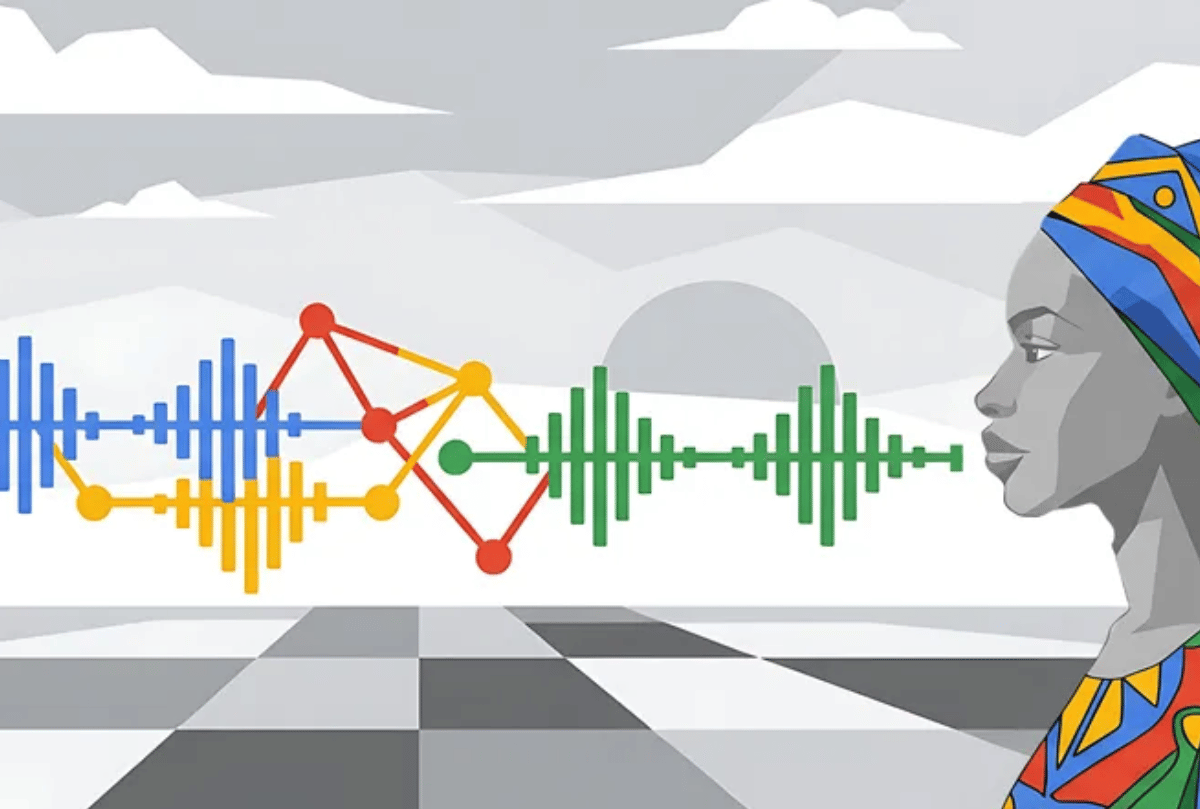
Google is rolling out AI Overviews and AI Mode in 13 African languages, including Kiswahili and Somali, marking a significant push to make generative AI more accessible across the continent.
The Big Picture
Previously limited largely to English, Google’s AI Search features now support languages like Amharic, Hausa, Yorùbá, and isiZulu. This expansion is designed to serve “active communities” where search usage is surging.
- AI Overviews: Provides concise, AI-generated summaries at the top of search results with links to sources.
- AI Mode: A conversational interface where users can interact via text, voice, or images for personalized help.
Why it matters
The move shifts AI from a “Western-centric” novelty to a functional tool for millions of users in Kenya, Nigeria, Ethiopia, and beyond, allowing them to search and create in their native tongues.
Under the Hood: Project Waxal
The rollout is powered by insights from Project Waxal (Wolof for “to speak”). The initiative combines machine learning with deep linguistic research to ensure AI doesn’t just translate words, but understands cultural nuances.
The Full List of New Languages
Google selected these based on high growth and regional importance:
- East Africa: Kiswahili, Somali, Amharic, Kinyarwanda, Afaan Oromoo.
- West Africa: Akan, Hausa, Wolof, Yorùbá.
- Southern Africa: Afrikaans, Sesotho, Setswana, isiZulu.
How to access it
Users on Android or iOS can access the features through the Google app:
- Open the Google App or mobile browser.
- Tap the AI Mode toggle within the Search bar.
- Type or speak a prompt in a supported language (e.g., “Nisaidie kupanga safari ya kwenda Nairobi”).