




African tech startups raised somewhere between $597 million and $711 million in the first quarter of 2026, depending on which tracker you trust.
The methodology differs. The direction does not. After a brutal capital drought that lasted the better part of two years, money is flowing back into the continent’s startup ecosystem at a pace not seen since the boom years — and the numbers, on the surface, look like a comeback story.
They’re not quite that simple.
The Headline Numbers Are Real. So Is the Catch.
Across the various trackers — TechCabal Insights, Condia, Disrupt Africa, Technext — the data consistently shows Q1 2026 funding up between 27% and 35% compared to the same period in 2025.
That’s meaningful momentum for an ecosystem that spent 2023 and 2024 watching rounds dry up and high-profile shutdowns pile up.
But the money is concentrating. Rapidly. In March 2026, just 22 startups announced funding — the lowest monthly count since 2021. The total number of funded startups in the quarter fell 27% compared to Q1 2025, even as total capital rose.
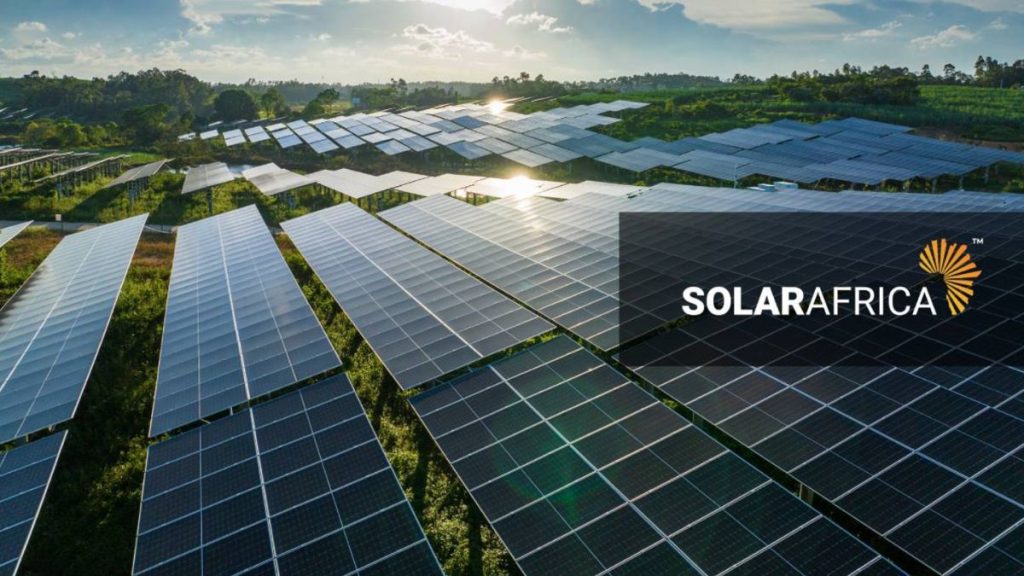
A handful of very large deals — SolarAfrica’s $94 million project debt round in South Africa, Egypt’s ValU pulling in $63.6 million from the National Bank of Egypt, Breadfast’s $50 million pre-Series C — are doing a lot of heavy lifting for that headline figure.
For early-stage founders trying to raise less than $500,000? Over the past 12 months, only 130 startups announced equity funding at that level. That’s also the lowest count since at least 2021.
Debt Has Quietly Taken Over
The most structurally significant shift in Q1 2026 isn’t the total amount raised. It’s how it’s being raised.
When the numbers are added up, debt and hybrid instruments accounted for more than $490 million — versus roughly $212 million in pure equity. Debt has officially overtaken equity in capital volume, a reversal of everything that defined African tech financing from 2019 through 2022.
This is partly a sign of maturity. Companies like SolarAfrica, Sistema.bio, and MNT-Halan are choosing debt strategically — growing infrastructure and entering new markets without diluting ownership.
But it also means the funding environment increasingly rewards companies that already have revenue history, physical assets, or the kind of operational track record that debt providers require. For younger startups without that profile, the door is narrower than it has ever been.
Egypt and South Africa Are Running Away With It
Egypt attracted an estimated $154–190 million in Q1 — the most of any country on the continent — and South Africa followed at $134–157 million. Kenya held its position at around $94 million. Nigeria, despite recording the most individual deals of any country, raised just $78 million total, a distant fourth.
The gap between deal volume and capital raised in Nigeria reflects the bifurcation playing out across the continent: lots of activity at the early stage, very little of the big money.
Fintech led sector allocation with around $208–221 million across 20 deals, consistent with years of prior data. Mobility had a breakout quarter, raising roughly $161 million across 10 deals powered by GoCab in Côte d’Ivoire, Zeno in Kenya, and Max in Nigeria.

CleanTech punched above its weight, pulling in over $100 million almost entirely from SolarAfrica’s single project round. Agriculture attracted around $59 million, led by Sistema.bio’s growth round in Kenya.
Ghana: A Seed of Something New
Ghana didn’t make the top-four funding destinations in Q1 2026, and its deal flow remained modest relative to the continent’s dominant markets. But there were signals worth watching.
Ayadata, a Ghanaian AI startup, closed a seed round in Q1 — one of only two AI-native companies on the continent to secure disclosed funding during the quarter. The category as a whole raised just $3.9 million across two deals, which is small, but the fact that an AI seed round is now happening in Accra is notable.
The Ghana Climate Innovation Centre continued supporting climate and tech startups through the Standard Chartered Foundation’s Women in Tech Accelerator, which allocated grants across markets including Ghana.
MEST Africa, the Accra-based software and deep-tech talent developer, remained one of the continent’s most active ecosystem builders.
What Comes Next
Extrapolating Q1 2026 across a full year suggests Africa’s startup ecosystem could match or slightly exceed 2025’s total of roughly $1.6 billion raised — assuming momentum holds. That’s the optimistic read.
The pessimistic one is that Q1 data often reflects deals negotiated or closed in late 2025, and that the current structural tilt toward debt, larger deals, and a handful of dominant markets could tighten further.
Data sourced from TechCabal Insights, Condia, Disrupt Africa, Technext, Tech In Africa, and Empower Africa. Figures vary across trackers due to differences in methodology and deal disclosure inclusion.