





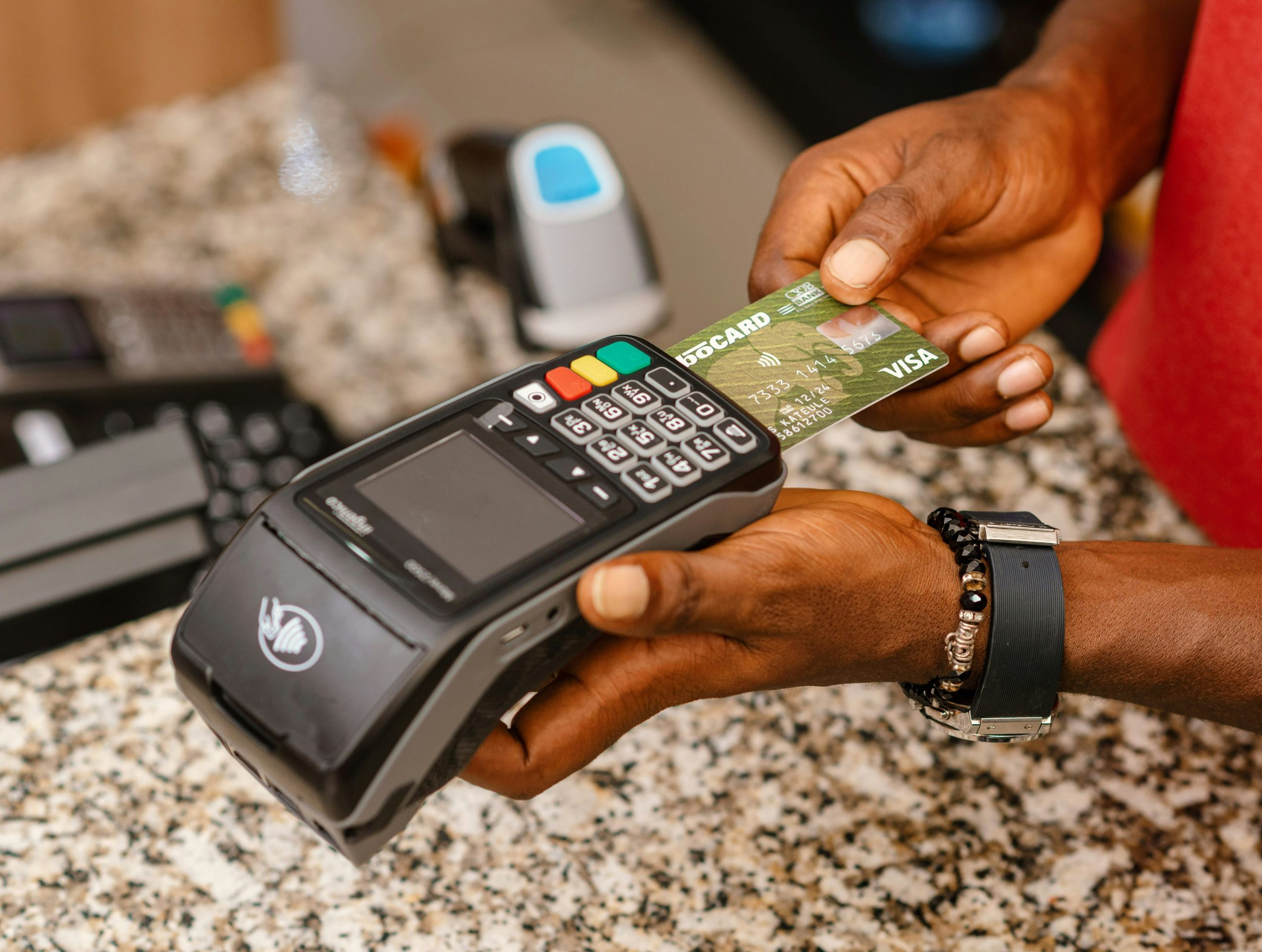
By 2028, if you run a business in Ghana — whether you’re a supermarket chain in Accra or a mid-sized wholesaler in Kumasi — a small but consequential piece of hardware will sit at your point of sale.
It will record every transaction. It will calculate the VAT automatically. And it will report directly to the Ghana Revenue Authority (GRA) in real time.
That’s the promise (and the pressure) behind Ghana’s Fiscal Electronic Devices Act, a sweeping mandate that requires businesses across the country to adopt certified electronic fiscal devices (EFDs) for VAT collection.
What the Law Actually Does
The Fiscal Electronic Devices Act mandates that all VAT-registered businesses install government-approved hardware or software at the point of sale. These devices are designed to do one thing with precision: capture every taxable transaction and transmit the data to the GRA’s central system.
Gone are the days of manual VAT invoices, paper receipts, or end-of-month reconciliation that leaves room for creative accounting. Under the new framework, the tax obligation is embedded directly into the sales process. When a customer pays, the tax is already calculated, recorded, and reported — no human intermediary required.
The GRA will maintain oversight through a centralized data dashboard, giving tax authorities an unprecedented real-time view of commercial activity across the country.

Ghana Has a VAT Problem — and It’s Not Small
To understand why this law exists, look at the numbers. Ghana’s VAT compliance gap — the difference between what the government should theoretically collect and what it actually does — has been a persistent drag on public finances.
The informal economy is large, but even formally registered businesses have historically underreported sales, whether through unrecorded cash transactions or manipulated accounts.
Ghana’s tax-to-GDP ratio has hovered well below the levels seen in comparable middle-income economies, and VAT leakage has been identified as one of the primary culprits. The EFD mandate is, at its core, a technology-driven answer to a trust problem between the state and its taxpayers.

Other countries have walked this road before. Rwanda implemented a similar system in the early 2010s and reported significant gains in VAT collection within the first few years.
Kenya, Tanzania, and Ethiopia have all passed through versions of this journey — with mixed results that often depended on how well rollout was managed and how aggressively non-compliance was punished.
Businesses Are Left With Questions
The mandate doesn’t come without friction. Small and medium-sized enterprises, which make up the backbone of Ghana’s private sector, don’t have as much information at the moment.
Approved EFD hardware doesn’t come free, and integration with existing point-of-sale systems can require technical upgrades that many businesses haven’t budgeted for.
There are also deeper concerns about data. Businesses will effectively be feeding granular transaction data into a government system continuously. For large retailers, that means competitive sales figures are sitting in a state database. For smaller operators, it means every slow Tuesday and every bumper month is visible to the authorities.
The GRA has indicated it will provide support for onboarding and that certified devices will meet minimum interoperability standards — but the specifics of data governance, storage, and access rights remain a point of scrutiny for business groups and digital rights advocates.
The Tech Behind the Mandate
The devices at the center of the law aren’t exotic. EFDs are essentially specialized point-of-sale terminals with embedded fiscal memory — tamper-resistant hardware that logs transactions locally and syncs with the tax authority’s servers.
Some implementations allow for software-only solutions, where a certified application running on existing hardware performs the same function.
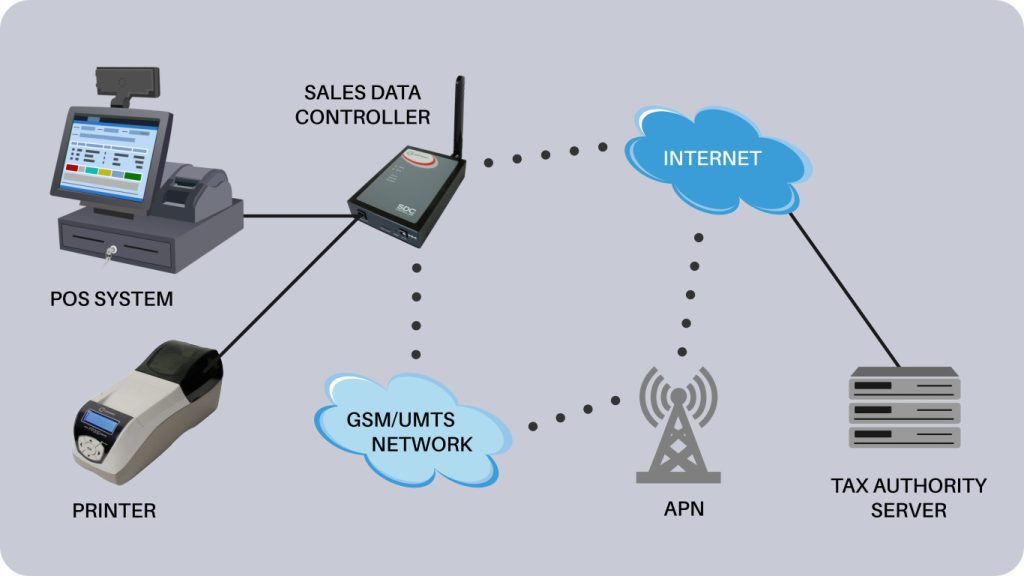
The critical design requirement is that the fiscal data cannot be altered after the fact. Unlike a standard POS receipt, a fiscal receipt carries a cryptographic signature that the GRA can verify. Attempts to delete or modify transaction records trigger alerts in the central system.
For vendors — both local and international tech companies — the mandate represents a significant commercial opportunity.
Ghana’s business registry runs into the hundreds of thousands of entities. Outfitting them with compliant hardware and software, providing maintenance contracts, and training staff is a market that is already drawing attention.
A 2028 Deadline That Will Test Everyone
The government has set 2028 as the full-compliance deadline, with phased rollouts expected to begin targeting large enterprises first before moving down to smaller businesses.
But deadlines in tax digitization projects have a history of slipping — the technical, logistical, and political variables are considerable.
If Ghana executes well, the payoff could be substantial: more revenue, a fairer playing field for businesses that already comply, and a modern tax infrastructure that supports broader economic goals.
If it stumbles — on implementation, on enforcement, or on the concerns of a business community that feels surveilled rather than served — the law risks joining a long list of ambitious fiscal reforms that looked better on paper than in practice.
Either way, the till is about to get a lot more connected.