


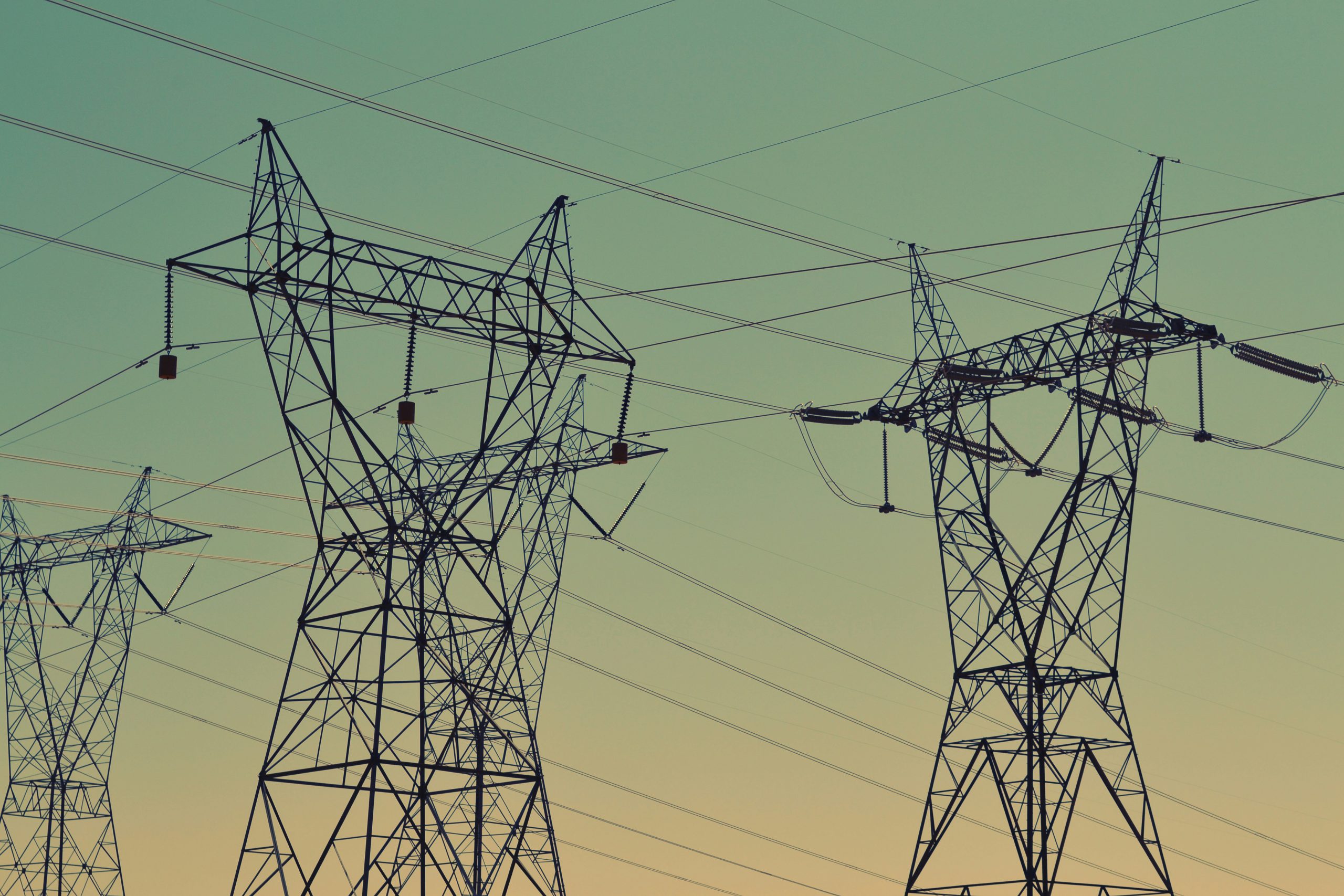


The math has always been complicated for telecoms trying to connect rural Africa. Diesel generators are expensive, unreliable, and climate-hostile. Grid power, where it exists, is erratic. Solar has long been the obvious answer — but obvious answers don’t always move fast in corporate infrastructure.
Now, one of the biggest players on the continent is accelerating. Orange SA, France’s largest phone company, plans to double its solar-powered base stations across Africa and the Middle East, CEO Christel Heydemann announced on the sidelines of an Africa-France business summit in Nairobi.
The Iran Effect
The conflict in Iran has sent fuel prices climbing, reshaping the economics of everything from logistics to telecom infrastructure. For operators running thousands of diesel-powered base stations across sub-Saharan Africa, that’s a direct hit to operating costs.
“The current crisis in the Middle East is making the business case even more sustainable,” Heydemann told Bloomberg Television in Nairobi.
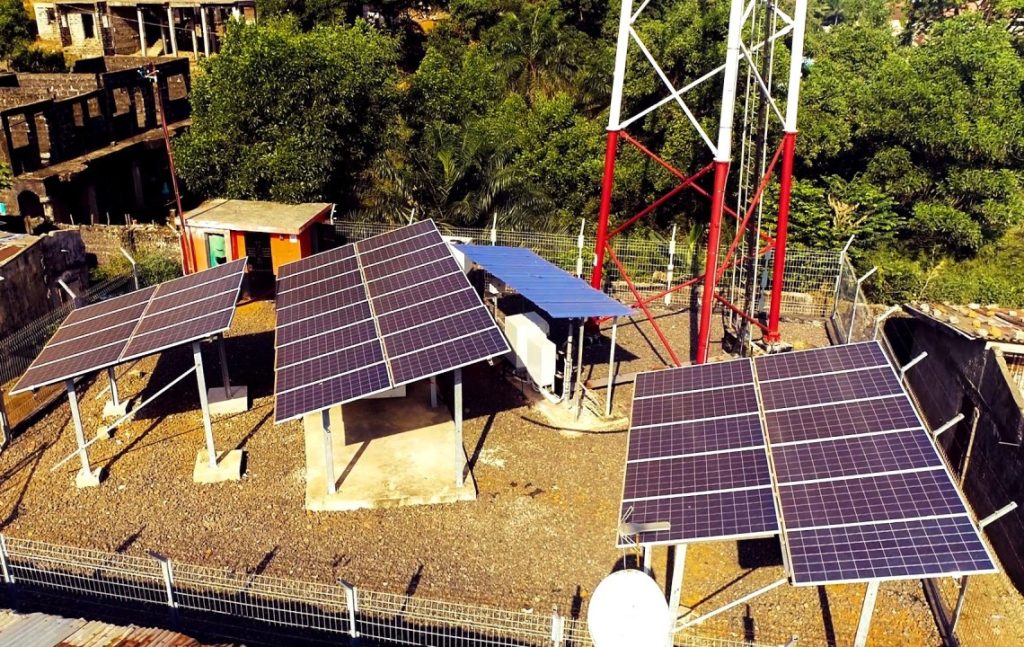
Orange has already deployed clean-energy systems at 15,000 sites across 11 countries in Africa and the Middle East — roughly 30% of its total network footprint, according to the company’s 2025 annual report.
Doubling that would push solar to the majority of its infrastructure on the continent. Heydemann didn’t specify a timeline, but said an announcement was imminent.
A €5 Billion Bet on Africa
The solar push sits inside a much larger strategic play. Orange has earmarked €5 billion for investment across Africa and the Middle East over the next three years — a region that has become its strongest growth engine globally.
With saturated markets in Western Europe and intensifying competition at home, Africa represents something Orange’s core markets can no longer offer: room to grow.
The company closed 2025 with 179 million customers across 18 countries in Africa and the Middle East, the vast majority in French-speaking markets. That footprint gives Orange both scale advantages and a concentrated exposure to the energy access challenges that define telecoms on the continent — unreliable grids, high diesel dependency, and rural coverage gaps that solar is uniquely positioned to close.
The Industry Is Moving in the Same Direction
Orange isn’t alone. Across the continent, the energy transition in telecom infrastructure is well underway — driven by the same twin pressures of rising fuel costs and ESG commitments.
Tower companies like Helios Towers have been systematically converting diesel-dependent sites to hybrid and solar solutions, making the case to operators that outsourcing the energy problem is often cheaper than managing it in-house.
Meanwhile, operators like Safaricom in Kenya and MTN Group across its pan-African footprint are also pushing toward cleaner power — part cost-cutting, part emissions reduction, part long-term resilience planning.
What’s changed is the urgency. The Iran war has compressed timelines and sharpened boardroom attention in ways that sustainability roadmaps rarely do on their own.
Partnership as Infrastructure Strategy
Orange is also moving beyond going it alone. The company partnered last year with Vodacom’s Congolese unit to jointly deploy solar-powered sites in rural parts of the Democratic Republic of Congo — the most populous French-speaking country in the world and one of the continent’s most challenging operating environments.
In markets where infrastructure investment is high and returns are long-dated, collaboration between operators is becoming a practical playbook for extending reach without overextending capital. Expect more of these arrangements as the solar buildout accelerates.
Source: Bloomberg