



When President William Ruto stood alongside US officials in Washington in May 2024 and announced a landmark $1 billion data centre partnership with Microsoft and UAE-based AI firm G42, it had all the hallmarks of a transformative moment.
The facility — planned roughly 100 kilometres northwest of Nairobi — would deliver cloud computing via Microsoft’s Azure platform to businesses and government institutions, and would run on geothermal energy, which accounts for around 40% of Kenya’s energy mix.
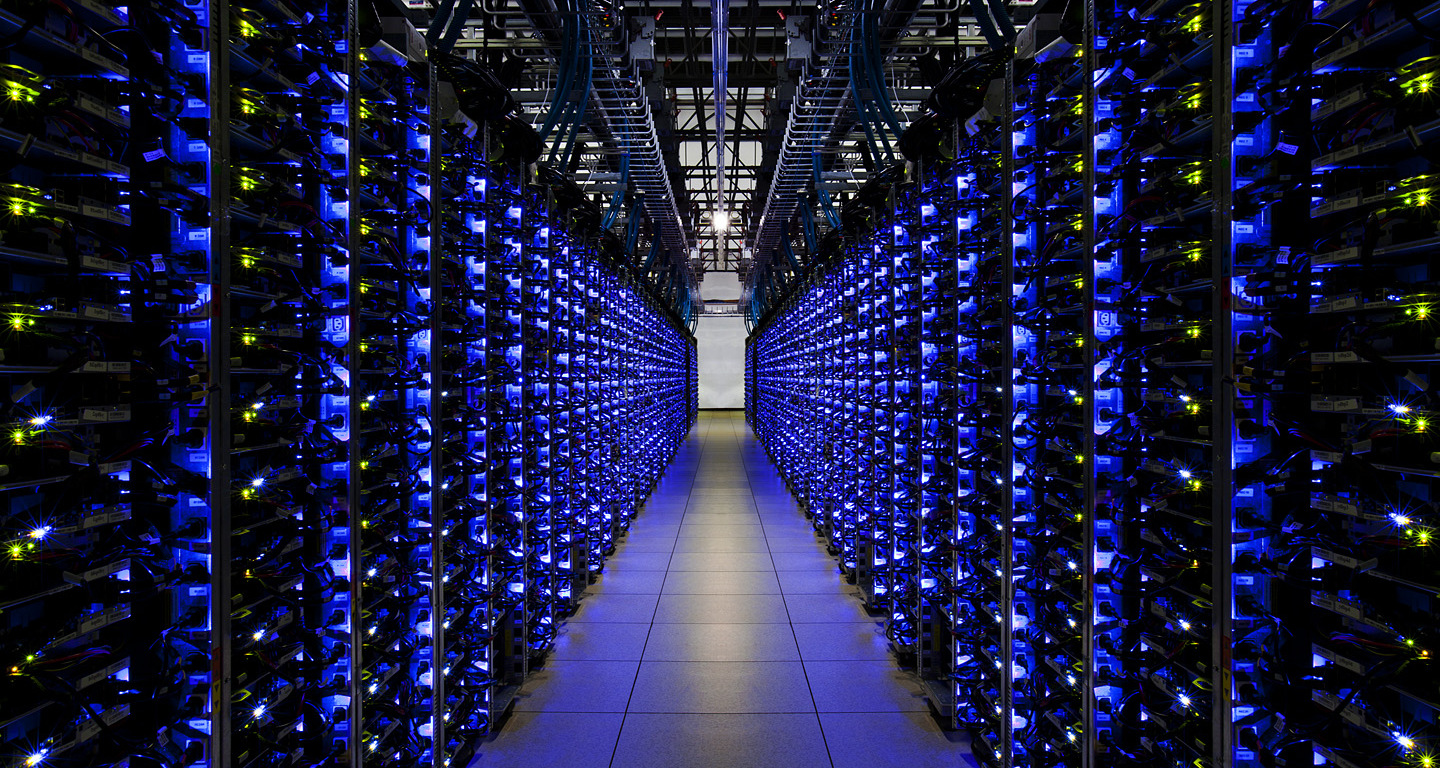
The problem is that Kenya doesn’t have the capacity to power server racks.
The Math Didn’t Add Up
The proposed data centre’s 1GW full-scale capacity would have consumed a third of Kenya’s entire 3GW national supply. When the numbers finally landed on President Ruto’s desk, the project’s feasibility collapsed almost immediately.
President Ruto put it plainly himself: “We signed the contract, and I was told we will give you a billion dollars for the project. We clapped. When I arrived here, I hurried up everyone to speed up the paperwork, but at the end, I was told one data centre requires 1,000 megawatts, and Kenya has 3,000 megawatts.”
His conclusion was blunt: “To switch on that one data center, we would need to shut off power for half the country. That’s when I knew there was a problem.”
Kenya’s National Treasury also reportedly withheld final funding approvals for the government’s portion of the infrastructure support, further stalling the project’s concept note.
The facility had been targeting a May 2026 launch. No East Africa cloud region is currently listed on Microsoft’s website.
A Diplomatic Promise Meets Ground Reality
The collapse of the Microsoft-G42 deal is emblematic of a recurring tension in African tech investment: high-profile announcements made in the glow of diplomatic summits that quietly unravel once they meet actual infrastructure conditions.
The involvement of UAE’s G42 also drew scrutiny from US officials earlier in the project’s lifecycle, with concerns raised about potential ties to Chinese interests — a geopolitical layer that added friction to an already complicated deal.
What made the Kenya pitch compelling — geothermal energy, a growing tech ecosystem, political will — couldn’t compensate for the foundational gap. A country with 3,000MW of installed capacity simply cannot absorb a hyperscale data centre in its current state.
Ruto’s 10,000MW Target
The president has responded to the debacle by doubling down on energy expansion. Ruto is aiming to increase Kenya’s power capacity to 10GW by 2030 and is seeking $38 billion in funding for energy and infrastructure expansion.
Microsoft, for its part, has pivoted south — in April announcing a $329 million investment in cloud services expansion in South Africa, including securing land for future data centre growth and improving power and water readiness.