




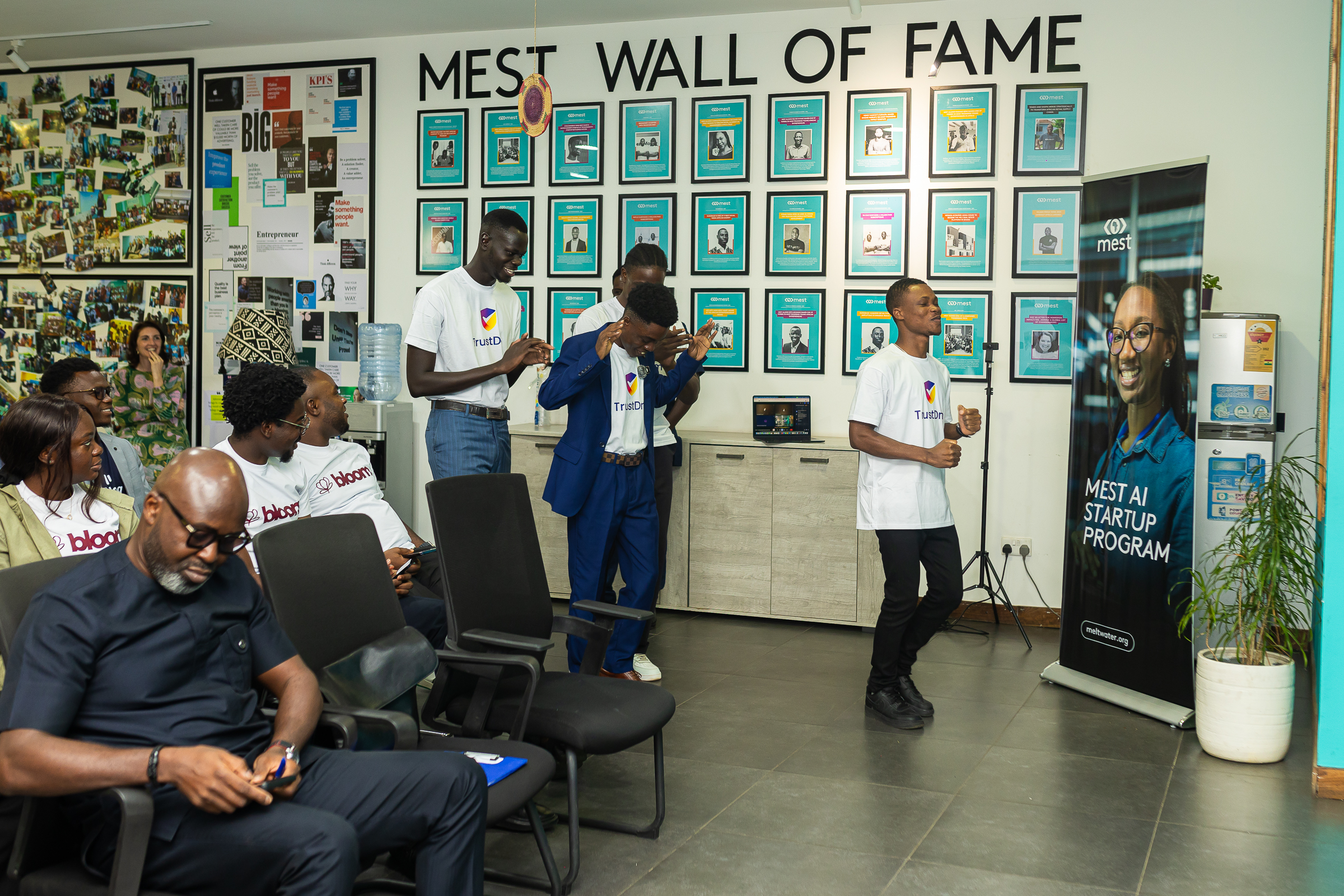
ACCRA, Ghana – Situated in Osu, between the popular Jamestown Coffee Cafe and Treehouse Restaurant, sits a co-working space called buro. Inside the space are public and private rooms for small companies and startups. The space also houses the newly relocated Meltwater Entrepreneurial School, popularly known as MEST Africa.
Established in 2008, MEST became a household name in Ghana’s technology ecosystem. Numerous entrepreneurs have passed through the MEST program.
They have built and scaled popular startup companies, including Leti Arts (an African video game studio), Complete Farmer (an end-to-end, data-driven digital agricultural marketplace), and MeQasa (an online real estate marketplace).
Over the years, a lot has changed. The world shut down in 2020 due to the COVID-19 pandemic, and the advent of Artificial Intelligence (AI) accelerated, thanks to OpenAI and ChatGPT.
For MEST, that latter moment was a signal. The result was a sweeping overhaul.
In 2024, MEST paused its flagship Entrepreneur-in-Training (EIT) program, rebuilt it from scratch, and relaunched itself as an AI-first program. The organisation also embraced more partnerships with global brands, including Mastercard Foundation and UNICEF.
Inside the buro building sits the new cohort of EITs — drawn from Nigeria, Ghana, Côte d’Ivoire, Sierra Leone, Kenya, Senegal, and Togo.
Tech Labari spoke to personalities at MEST, including program director Emily Fiagbedzi, Entrepreneurs In Training, and Femi Adewumi, the current MESTx Operations Director, to gather more insight about the new AI program and MEST in general.
Back to Basics
With its new AI program, MEST had to create a new curriculum. It does not begin with large language models or AI agents. It begins with Python.
“We started to realize around 2023 that if a product wasn’t heavily AI-first, they were pretty obsolete in the market pretty quickly,” Emily Fiagbedzi said on why MEST pivoted in a new direction.
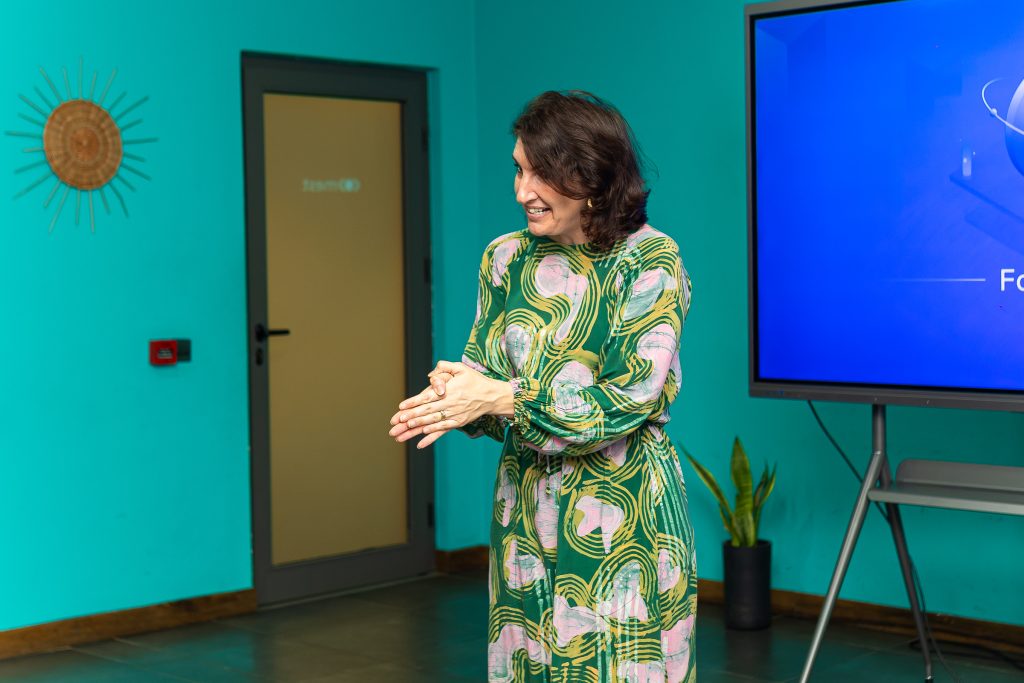
Fiagbedzi says African entrepreneurs needed to reach the market faster, and MEST’s offerings had to ensure their technology could compete globally while staying true to the mission of developing African talent. The new cohort starts with fundamentals before going in-depth.
“We’re talking like fundamentals of prompt engineering and API calling. We’re going into RAG [Retrieval-Augmented Generation] and agents and LLMs, and how to train models, and going quite deep into foundational AI data principles,” says Fiagbedzi.
A major emphasis is also placed on trust, data security, and transparency.
Experts from across Africa and the UK spend months embedded in the program. Mornings are lectures; afternoons are hands-on workshops. Every Friday, entrepreneurs pitch their week’s work for intensive feedback.
Each month is anchored by a theme: Foundations, Systems, Intelligence, Trust, Stability, Growth, and Story — the final month, when participants prepare to pitch.
Crucially, MEST insists on depth and not just building AI features.
“If you remove the AI from the product, is there still a product?” Fiagbedzi asks.
For the school, the goal is differentiation, not wrappers. The program remains software-focused, rooted in the values of its funder, the Meltwater Foundation, and its founder, Jorn Lyseggen, a serial software entrepreneur.
Recruiting the Right Builders
Owusua Amoo-Acheampong, a Senior Recruitment Associate who manages recruitments and partnerships and has been with MEST since 2022, oversees the grueling selection process for the new AI program.
According to their data, applications pour in heaviest from Nigeria.
“They are very, very hungry for the opportunity,” Amoo-Acheampong notes. But strong talent also emerges from Ghana, Kenya, Senegal, and Togo.
The team works hard to include francophone candidates, offering webinars, interpreters, and tailored outreach.
For MEST, they seek more than technical skill. “We want people who have the initial drive to actually build,” Amoo-Acheampong says, noting that many applicants are self-taught, with some already having built startups.
MEST believes the future of AI should be built by diverse voices. As artificial intelligence continues to shape industries and societies around the world, MEST remains committed to ensuring that women are not only represented but also empowered to lead this transformation.
MEST’s ambition remains to be at the forefront of creating greater opportunities for women to access world-class AI education, mentorship, and entrepreneurship pathways.
The program has partnered with women-focused platforms and highlighted female alumni to encourage more female participation in its AI program.
The AI Data Problem and The EIT Experience
Building AI products in Africa runs into a wall that Silicon Valley entrepreneurs rarely face: the data isn’t there.
For African entrepreneurs working in healthcare, maternal health, or local language applications, training models on African-specific data requires going into the field themselves.
“We don’t just consume data,” said Joy Tari-Bagshaw, a 24-year-old Nigerian software engineer building a healthcare product for the Ghanaian market. “Sometimes we go on the field to get the relevant data we need. It’s hard, but it’s something we have to do.”
Frederick Obeng-Nyarko, a Ghanaian entrepreneur, is working in maternal health and alopecia research. To build a voice AI model, his team partnered with the University of Ghana’s Human-Computer Interaction Lab.
“The burden of trying to source data is a challenge,” he said. “But if you look for who is open to collaboration, you find them.”
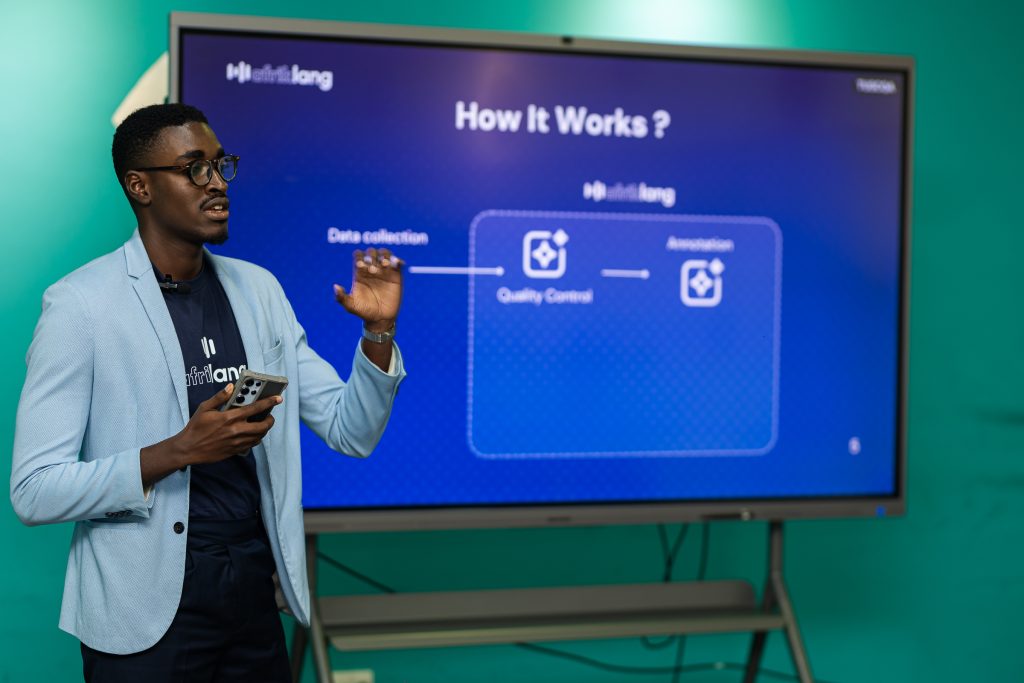
For other EITs, the benefit of being in the MEST AI program has provided opportunities, especially due to its location.
Khalifa Mamadou Niamadio, a Senegalese founder of a startup building a platform to make AI services accessible in low-resource African languages — says being in Accra and at MEST has helped improve his networking skills. He says he even stumbled onto his first potential pilot by accident.
While watching a football match at a bar in Accra, he met a French diplomat who connected him to the African director of a West African NGO doing nearly identical work. “That might turn into our pilot project,” he said. “Just because I went out and talked to people.”
Most of the EITs echo similar sentiments about being in the MEST AI program.
“It’s more than just like an AI startup program. The amount of network we have, it’s amazing what we learn every day,” Khalifa said.
The program covers housing, health insurance, transportation, and a stipend. In exchange, participants work full days, pitch weekly, and face rolling pressure to show their products are genuinely differentiated.
MEST as Africa’s Enduring Brand
MEST’s influence extends far beyond its Accra campus. Once known primarily for its intensive EIT program, it has expanded its impact through spin-offs like MEST Express (early-stage) and MEST Scale (later-stage), university collaborations, ecosystem convenings, and partnerships with banks, governments, and multinationals.
Its brand now signals quality and depth. Government officials, global foundations, and corporations seeking credible African tech partners are routinely told: speak with MEST.
One of the biggest challenges for MEST Africa, according to Femi Adewumi, the current MESTx Operations Director, is growth without dilution. “The bigger you grow, the more attention you need to pay to quality,” he noted.
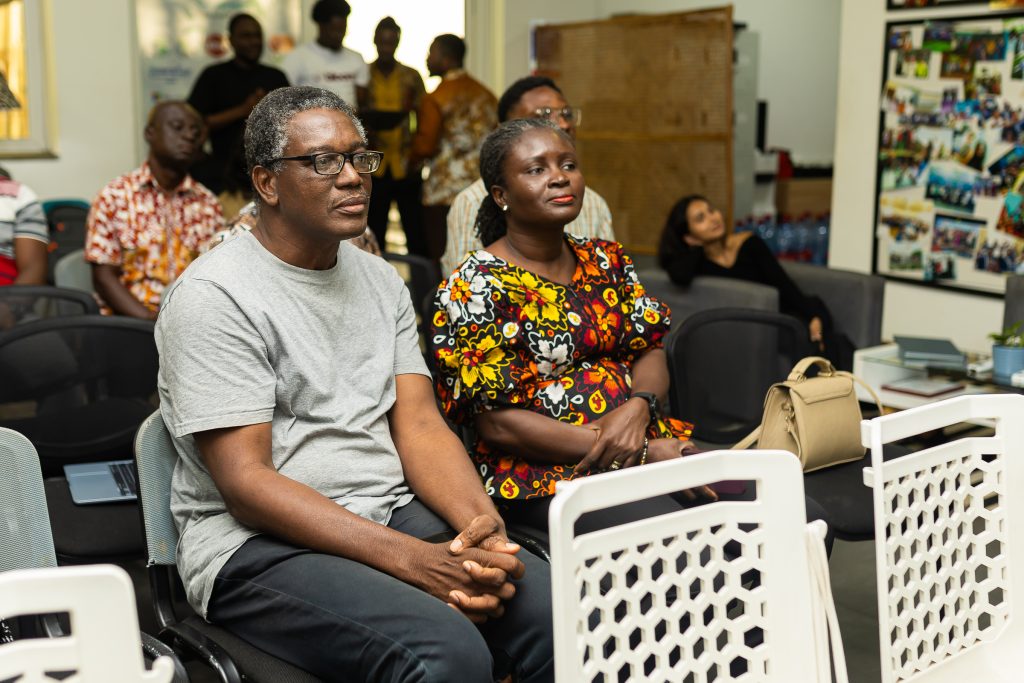
He says the organization has supported founders across the continent even without physical offices in every market. Its alumni network essentially acts as a quiet but powerful amplifier—former participants champion the program wherever they go.
As AI reshapes everything, MEST is positioning itself at the center—infusing AI into skills programs, partnering on SME training, and continuing to bet on Africa’s talent as globally competitive.
So how does MEST currently measure success? For Adewumi, it’s a simple success metric: “I can walk down a street in the UK and meet somebody who says, ‘Oh, I finished from MEST in 2011.’ That, for us, is a key sign.”
The newest cohort is still months from graduating — but several are already building products they didn’t know they could conceive six months ago.
Applications for the second edition of the MEST AI Startup Program are now open. The next cohort is set to begin in January 2027. Aspiring AI entrepreneurs from Nigeria, Ghana, Senegal, and Kenya can apply and join the next generation of founders building globally competitive AI startups from Africa.
Interested applicants can learn more and submit their applications here: https://bit.ly/MESTAI27_TL
In an era of rapid technological disruption, MEST offers a bet: that with rigorous foundations, relentless feedback, cross-border collaboration, and a focus on responsible, human-centered innovation, African entrepreneurs will not just participate in the AI revolution—they will help lead it.