




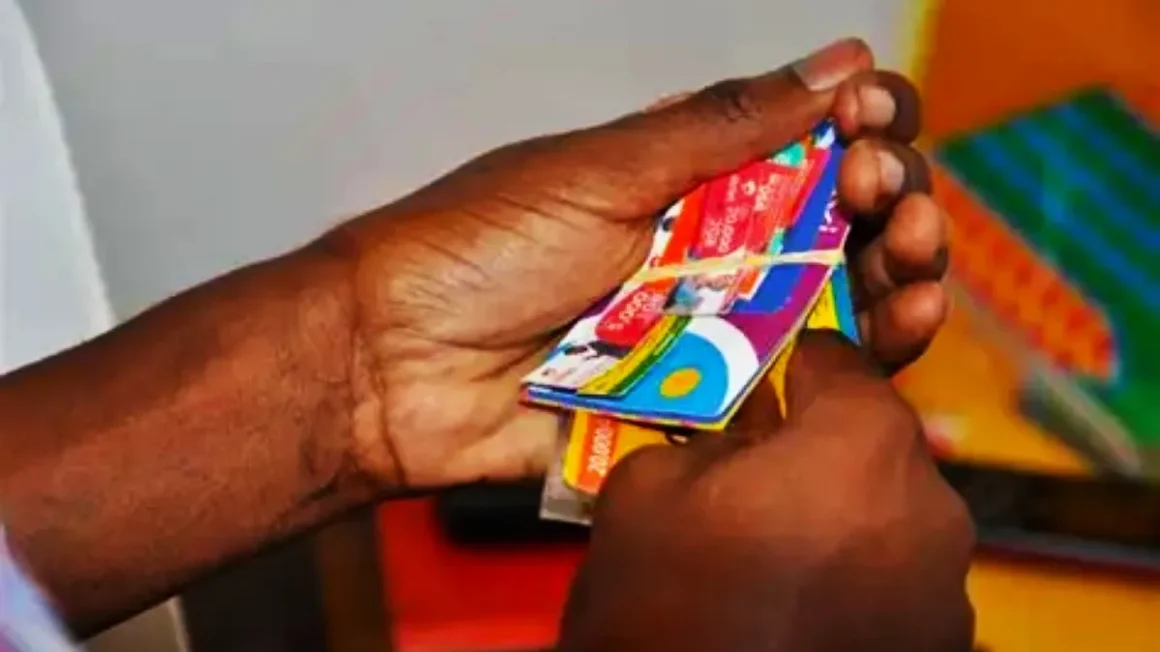
For two decades, buying airtime in Tanzania meant handing over a few coins and scratching a silver strip. That ritual is ending.
The Tanzania Communications Regulatory Authority is moving to phase out physical airtime vouchers. The plan, first revealed by Finance Minister Khamis Mussa Omar during his 2026/27 budget speech in Dodoma, targets urban areas first, with pilot zones guiding a nationwide rollout. The Citizen reported on Oct. 8 that the shift is now underway.
What Is Changing
Tanzanians will top up through mobile money wallets, bank apps and USSD codes instead of paper cards. Lessons from the pilot phase will shape how the policy expands across the country, as part of a wider push to modernize payments and cut cash use.
The government has not framed this as a sudden ban. It is a staged retreat, city by city.
Why Now
The numbers explain the timing. The Tanzania Instant Payment System handled 651 million transactions worth 54.95 trillion shillings in 2025, up from 453 million transactions worth 29.82 trillion shillings in 2024.
Through the Bank of Tanzania, the government has also widened that system to cover government payments via banks and mobile money operators, QR-code merchant payments and international transfers.
Officials see scratch cards as a leftover from a cash economy. Coverage of the budget noted the policy also aims to curb money laundering and reduce the logistics costs of circulating currency.
Users Were Already Leaving
Consumers moved before the regulator did. Tanzania has 51.4 million mobile money accounts, according to the National Bureau of Statistics, and operators including Tigo and Vodacom have said demand for scratch cards was already falling.
Still, the shift is incomplete. Financial Sector Deepening Tanzania, a development group, estimated that 52 percent of adults with a phone still bought airtime over the counter from an agent, often by scratch card. The same analysis found Tanzania trailing Kenya and Uganda in buying airtime through mobile money.
That gap is what the policy is designed to close.
The Environmental Argument
Scratch cards are litter. Used cards pile up outside kiosks and in drains. FSDT argued that ending over-the-counter purchases would also cut the waste from discarded cards and the emissions tied to distributing them.
Who Loses
The cost falls on the informal economy. Thousands of small vendors earn thin margins reselling vouchers. A digital-only system routes those sales through agents and apps instead.
Tanzania can look south for a warning. When Zimbabwe ordered operators to drop scratch cards within six months, local reporting warned thousands of airtime vendors could lose their livelihoods.
Rural users are the other concern. Many rely on basic phones, patchy networks and cash. A phase-out that starts in cities gives operators time to test, but the hardest cases sit outside them.
A Regional Pattern
Tanzania is not alone. In Zambia, operators have texted customers about plans to retire scratch cards after the government announced the move to improve service and support a green economy. Zimbabwe made a similar push years earlier.
The common thread is mobile money. Once wallets become the default, paper vouchers become an expensive duplicate.
What Comes Next
Three questions will decide whether the transition works:
- Pace. How fast pilots expand beyond major cities.
- Fees. Whether small top-ups through mobile money stay cheap enough for low-income users.
- Vendors. Whether operators fold card sellers into their agent networks or leave them behind.
The scratch card is unlikely to vanish overnight. But in Tanzania, its end now has a policy behind it.