




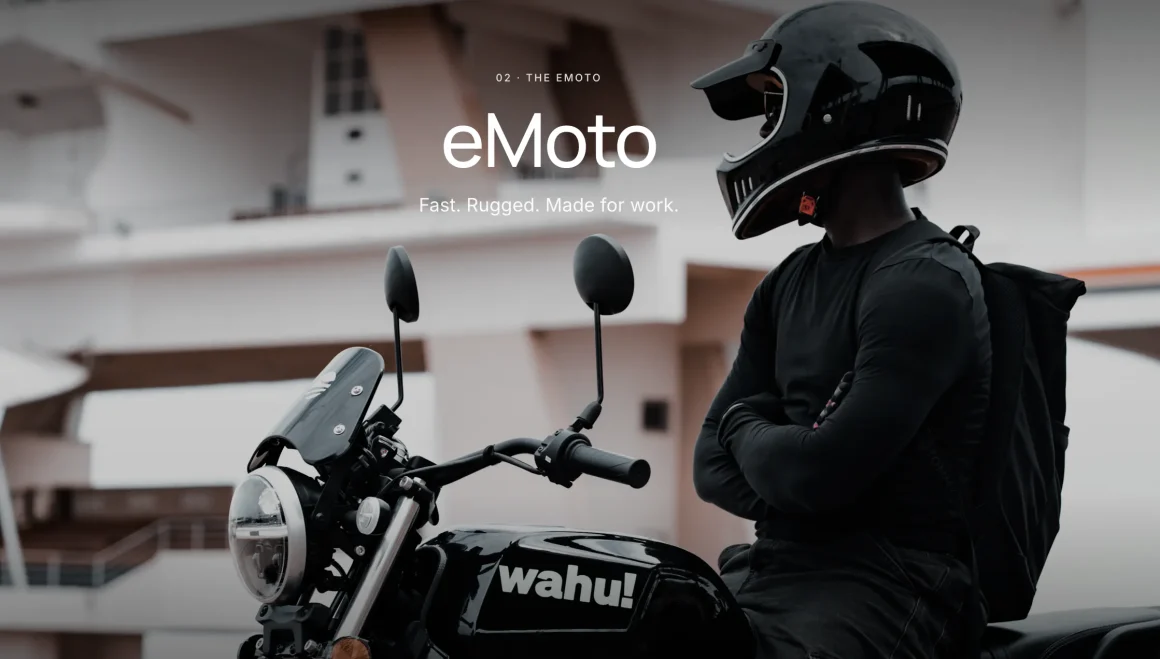
ACCRA, Ghana — Wahu Mobility, the Ghanaian electric-vehicle maker, is taking pre-orders for a new electric motorbike called the Wahu eMoto. The company says it will sell the bike anywhere in Africa.
Wahu’s pitch to consumers is that the rider owns the bike and the battery outright. There’s no fuel to buy and no swap station to visit. The eMoto charges from a normal socket in 40 minutes and goes 100 kilometers on a charge, according to the company’s page on LinkedIn.
Buyers put down a deposit of 10,000 Ghana cedis, about $860. Early buyers get 15 percent off. Deliveries begin in December. Wahu has not said what the full price is.
A Break From the Swap Model
Many African electric-motorbike companies sell or lease bikes without batteries. Riders then rent charged batteries at swap stations. That cuts the price of the bike but ties the rider to the network. If there’s no station nearby, the bike is useless.
Wahu is trying the opposite. With its own battery and a fast charge from an ordinary outlet, the eMoto is meant to work wherever there’s power. That matters for buyers outside major cities, where swap networks rarely reach.
It is also a change for Wahu. Its earlier e-bike came with a dual-swappable battery, a tracking device, a battery management system, and a smart lock controlled through a mobile app.
The real-world range of the eMoto bike has yet to be verified, and it might depend on load, terrain, and riding style.
From Converted Bicycles to a Factory
Wahu began small. Founder Valerie Labi, who has lived in Ghana for about 15 years, started during the 2020 COVID-19 lockdown by buying second-hand bicycles and electric conversion kits and assembling them for Accra’s roads. The name means “horse” in a local language.
The company was formally set up in 2022 through the merger of two ventures, Cargo Bikes Africa and Mana Mobility. In February 2024, it opened what was described as Ghana’s first electric-vehicle assembly plant. The factory can build about 200 e-bikes a month, CNN reported.
Before founding Wahu, Ms. Labi was Ghana country director for the nonprofit International Development Enterprises. She studied economics at the University of Southampton and sustainability leadership at Cambridge.
Built for Delivery Riders
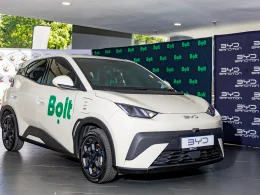
Wahu’s main customers have been delivery riders. They include riders working for platforms like Bolt Food and MenuFinder, and the company has sold bikes on a lease-to-own plan called “Ride-to-own.”
The bikes are designed for local conditions. They have front and rear suspension for potholed roads and a thumb throttle for quick starts at busy junctions. Wahu’s app gives riders a safety score, and the company can remotely shut down a bike if it detects dangerous riding.
Running costs are low. On its earlier bikes, a charge cost about 4 cedis, roughly 27 cents, and covered about 70 kilometers.
Investors and Expansion
Wahu has raised several rounds. Altree Capital has invested three times. Launch Africa Ventures invested in October 2024. In November 2025, Sahara Impact Ventures backed the company to help it deploy more than 117,000 e-bikes in Ghana by 2030.
The project is recognized under Article 6.2 of the Paris Agreement, which allows carbon credits to be traded.
A Growing but Early Market
Ghana’s electric-vehicle market is still small. The country has about 17,000 registered electric vehicles across two, three and four wheels, according to Energy Minister Mathew Opoku Prempeh. A national EV policy is expected to roll out in three phases between 2027 and 2035, targeting about 35 percent EV penetration.
Demand from gig workers is large. Ms. Labi has cited a projection of 30 million delivery riders across Africa by 2030.
The eMoto’s success will rest on three questions. Can it match its range and charging claims? Will the full price be within reach for riders who earn daily? And can Wahu service bikes sold far from Accra?
Pre-orders are open through an online form.