





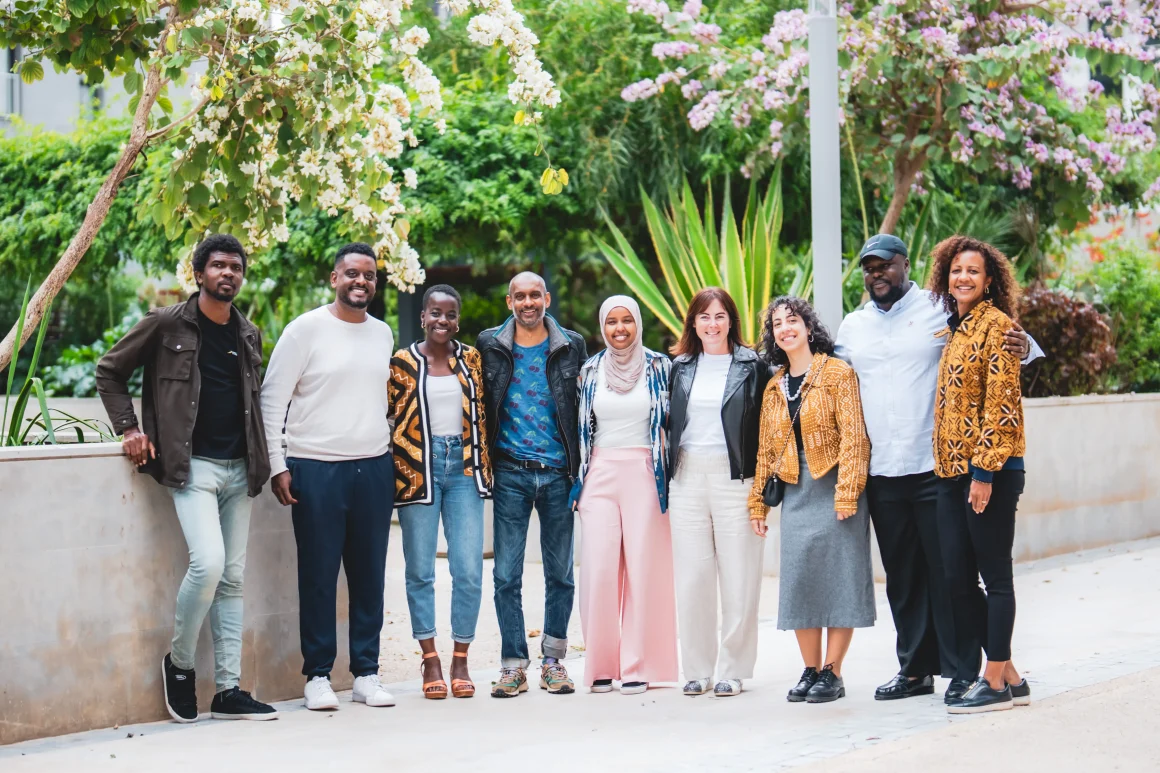
Madica, a pre-seed investment program for African startups, has raised $6 million from Flourish Ventures to extend its work by three years.
The money will fund investments in 25 to 30 more companies. It will also expand the hands-on support Madica gives founders after it writes a check.
The program was set up as an experiment, and Flourish is still treating it as one. The question it is testing is whether founders ignored by established investors can build businesses that return money at venture scale.
A Test That Needs More Time
Madica launched in 2022. Since then, it has backed 18 startups in 10 countries and 12 sectors.
Those companies have gone on to raise, on average, twice what Madica invested in them. The program calls that an early sign of investor confidence.
Early follow-on funding is not the same as returns, though. Venture investors make money when companies are sold or go public, and that usually takes years. Madica’s leaders say three years was not enough to judge the model.
“Three years have given us valuable lessons and encouraging early signals, but building enduring companies and assessing venture outcomes takes longer,” said Emmanuel Adegboye, who heads Madica.
The extension gives the program a larger portfolio to study. It will track how companies turn early traction into steady growth and whether any reach exits.
How the Model Works
Madica does not specialize in one industry. It pairs patient pre-seed capital with structured company-building support.
Its portfolio now spans more than a dozen sectors, including climate technology, semiconductors, artificial intelligence, human resources, biotechnology, and mobility.
The program focuses on founders who sit outside existing venture networks. Every portfolio company is majority African-owned. More than half have at least one female co-founder, and 39 percent are run by female chief executives.
Demand Beyond the Big Four
Most venture money in Africa goes to four markets: Nigeria, Kenya, South Africa and Egypt. Madica’s applicant pool suggests strong demand elsewhere.
The program has received applications from 78 countries across 28 sectors. About 40 percent came from outside the four largest markets.
Madica says this shows both untapped entrepreneurial talent and a gap in funding routes for founders in smaller markets.
Why the Evidence Matters
Madica wants its findings to be used by other investors. The aim is to change where early-stage money goes across the continent, not only to grow its own portfolio.
“We want the resulting evidence to give other investors a model they can apply, shaping where funding goes and how founders are backed across Africa, well beyond Madica,” Mr. Adegboye said.
The extension arrives as early-stage African startups face a tighter funding market. Pre-seed founders without connections to established investors have been hit hardest.
Flourish Ventures, which co-founded Madica, said the first three years had reinforced its thesis.
“We retain our conviction that with the right capital and support, exceptional talent across Africa can build world-class businesses,” said Efayomi Carr, an investment partner at Flourish and a co-founder of Madica.
Who Can Apply
Madica is accepting pitches through its website. Startups must meet four conditions:
- A minimum viable product with a few paying customers
- Founders working on the company full time
- Little or no institutional funding
- Headquarters in Africa