




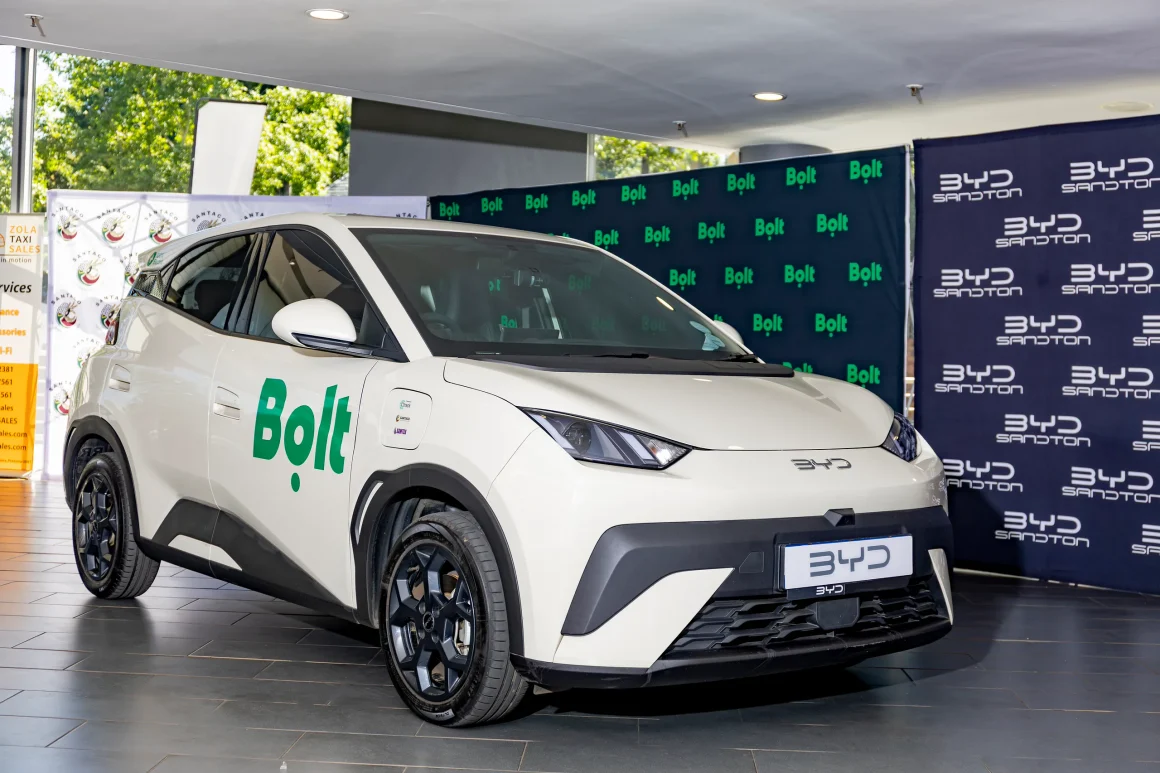
Bolt, the ride-hailing company, has launched its electric vehicle service in Johannesburg, the second South African city to get the option after Cape Town earlier this year.
The rollout, announced on Wednesday, was done with the South African Meter Taxi and E-Hailing Association, known as SAMTEA, and the Chinese carmaker BYD. SAMTEA is an affiliate of the South African National Taxi Council, the country’s most powerful taxi body.
The partnership is notable. For years, metered taxis and app-based services like Bolt and Uber treated each other as threats. Now they are working together.
A Target of 500 Cars
Bolt wants 500 electric vehicles on its South African platform by December 2026. The company did not say how many are on the road now, or how many will operate in Johannesburg at launch.
Riders in the city can now select an EV category in the Bolt app. The cars are supplied through BYD, which has been expanding its presence in South Africa.
Graham Walker, Bolt’s general manager in South Africa, framed the launch as a cost question for drivers, not just a climate one.
“It can help reduce operating and maintenance costs for driver-partners and fleet operators,” he said of electric mobility.
Most Bolt drivers in South Africa do not own their cars. They rent them from fleet operators and pay weekly fees. Fuel is one of their largest expenses. Electric cars cost less to run and have fewer parts to repair, but they cost more upfront. Who pays that premium will determine whether the model works.
From Competitors to Partners
The more significant story may be the alliance itself.
When ride-hailing apps arrived in South Africa about a decade ago, they upended the metered taxi business. The tension at times turned violent, with attacks on e-hailing drivers reported in Johannesburg, Pretoria and Cape Town.
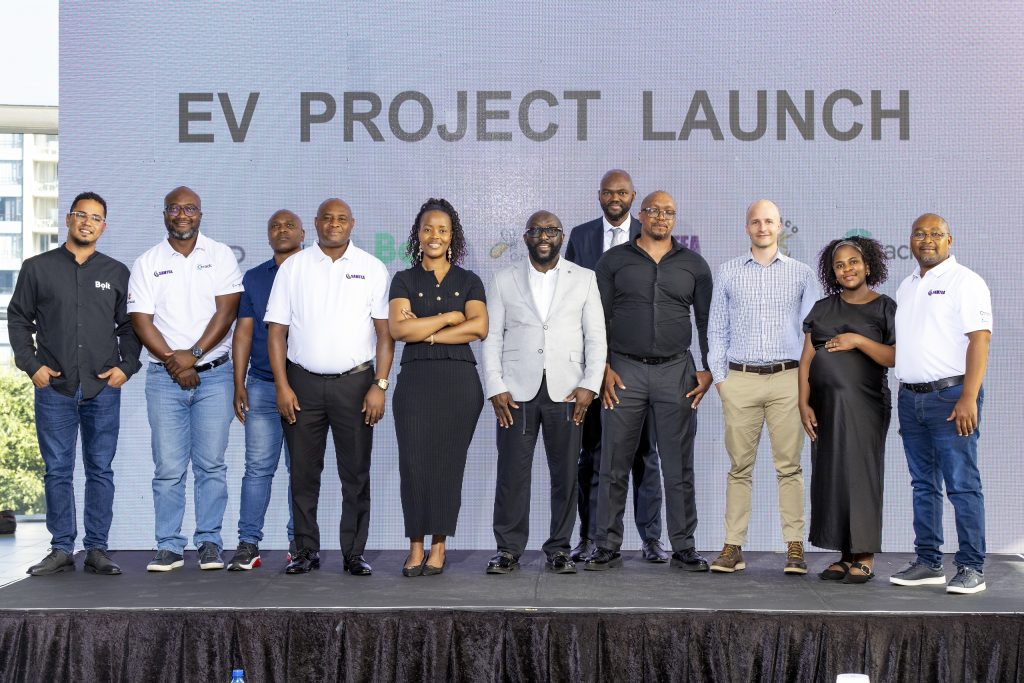
Sibongiseni Shange, SAMTEA’s chairperson, acknowledged that history.
“There was a time when meter taxis and e-hailing were viewed as competitors,” he said. Through continued talks, he added, the two sides have recognized they face many of the same problems, including those affecting drivers.
Mr. Shange tied the partnership to a broader goal: formalizing the industry. Many drivers in both sectors work without clear protections, licensing certainty or benefits.
“For the sector to be more sustainable and offer stronger protections, operators need to be part of a formalised industry,” he said.
For Bolt, having a taxi association on its side offers something technology cannot: legitimacy with a sector that has long viewed it with suspicion.
Part of a Wider African Push
Johannesburg is the latest step in Bolt’s electric strategy across Africa. The company has also introduced EV initiatives in Kenya and Nigeria. Globally, it runs electric ride categories in more than 70 cities.
South Africa is among Bolt’s most important markets worldwide. The company recently marked 10 years in the country and announced what it described as a R3 billion economic contribution.
The Estonian company competes directly with Uber in most African cities, and both are under pressure to show they can grow without leaning on drivers who are squeezed by rising costs.
The Obstacles
Electric vehicles still face real limits in South Africa.
Public charging stations are scarce outside major urban centers. Rolling blackouts, known locally as load shedding, have eased but remain a concern for anyone relying on the grid. Electric cars also remain expensive compared with the budget gasoline models that dominate ride-hailing fleets.
Bolt and its partners did not detail how they plan to address charging access or financing for drivers. Those answers will decide whether 500 cars becomes a starting point or a ceiling.
What Comes Next
Johannesburg gives Bolt its largest test yet in South Africa. It is the country’s economic hub and its busiest ride-hailing market.
If the economics hold, the company is likely to extend the category to other cities, such as Durban and Pretoria. If the partnership with SAMTEA holds, it could offer a model for how app-based and traditional transport operators share the road elsewhere on the continent.
For now, the Johannesburg launch is a small fleet carrying a big signal: the fight between taxis and apps may be giving way to something more practical.