




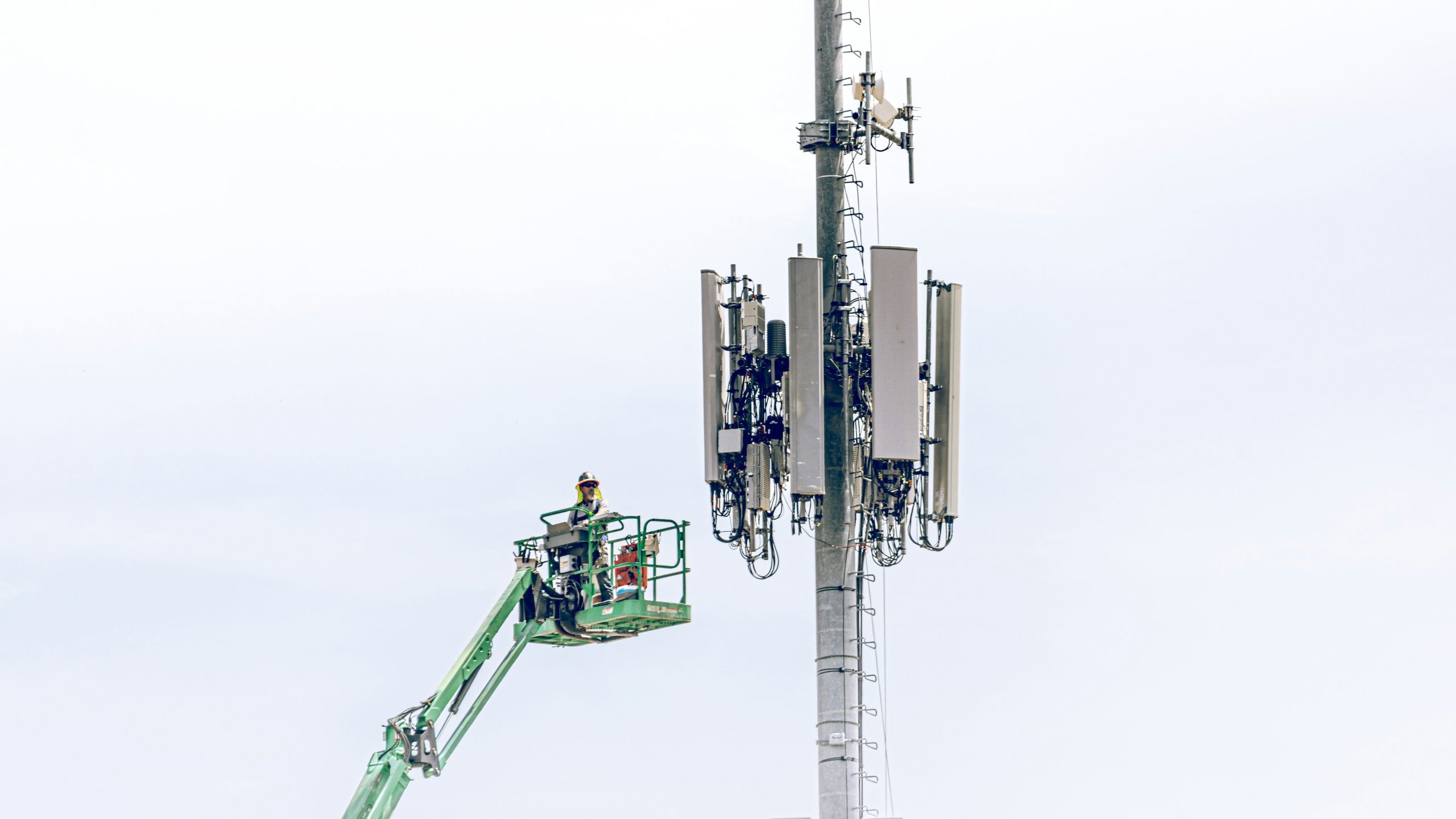
Ghana’s long-running telecom infrastructure standoff has reached a legal turning point. American Tower Corporation (ATC) Ghana, the country’s leading independent tower company, has won an international arbitration case against state-owned AT Ghana over years of unpaid fees for telecommunications tower services.
The ruling, handed down by the International Chamber of Commerce (ICC) International Court of Arbitration — one of the world’s most authoritative commercial dispute forums — caps off a saga of debt, political maneuvering, and near-total network collapse that has rattled Ghana’s telecom sector for years.
How a Billion-Cedi Debt Piled Up
The story starts with AirtelTigo, a mobile operator formed in 2017 through the merger of Bharti Airtel’s and Millicom’s Ghanaian operations. Like most telecoms, AirtelTigo depended on tower companies for access to the mast infrastructure, power supply, and site services that keep networks running.
Under standard industry arrangements, operators pay recurring fees for tower access. AirtelTigo stopped paying on time. Then it stopped paying.
By March 2025, Communications Minister Samuel Nartey George told Parliament the amount owed to ATC Ghana alone had reached GH¢1.5 billion — a slice of a total debt burden on AT Ghana’s books exceeding GH¢3.5 billion, or roughly US$225 million.
Industry sources suggest the ATC-specific figure may have climbed above GH¢2 billion before the crisis peaked.
“Those who managed the AirtelTigo process are enemies of our state,” the minister told journalists, aiming his frustration at the previous administration, which had acquired the struggling operator from Airtel and Millicom in November 2021 for a symbolic US$1 — absorbing all its liabilities in the process.
The Corporate Shuffle That Triggered the Lawsuit
What actually pushed ATC Ghana to file the ICC case was not just the unpaid bills — it was a legal sleight of hand by the departing government.
Before leaving office, officials created a new entity called People’s Network (PPL Net) and transferred AT Ghana’s staff and assets into it. The stated goal was to protect jobs and attract investors by creating a clean-slate company free of legacy liabilities.
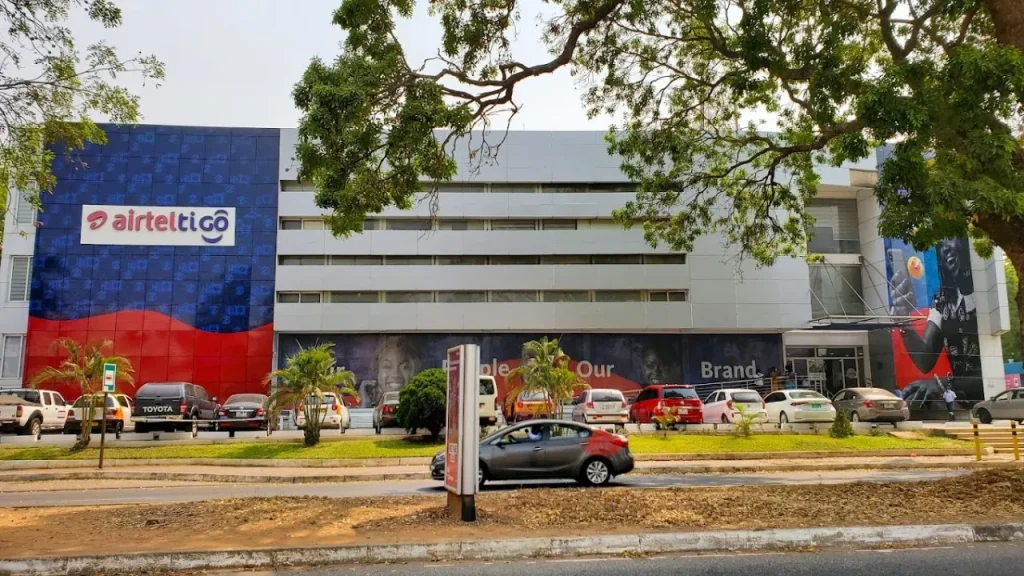
AT Ghana’s debts, including what was owed to ATC, were left sitting with the old Airtel Ghana structure.
The problem: ATC’s contracts were with AT Ghana, not PPL Net. The company filed the ICC arbitration to pursue recovery from the entity it had actually done business with. It also obtained a domestic injunction in January 2025, blocking AT Ghana from transferring any further assets to PPL Net while the international case was pending.
In a sign of how desperate the situation had become, ATC reportedly offered to forgive all accumulated interest and slash the principal by about 80 percent — reducing the bill to approximately US$20 million. Even that offer went unanswered. No payment was ever made.
When the Towers Went Dark
With no resolution in sight, ATC Ghana moved from courtroom to field. On September 1, 2025, it began cutting power to AT Ghana’s radio access network sites — the physical towers that carry signal to subscribers. The immediate effect was catastrophic for a customer base of more than three million people.
The National Communications Authority (NCA) and the Communications Ministry scrambled to intervene. An emergency national roaming arrangement was set up between AT Ghana and Telecel Ghana (formerly Vodafone Ghana), allowing AT Ghana’s customers to stay connected via a competitor’s network.
The minister characterized the forced migration as a force majeure event — essentially, an unforeseeable crisis beyond ordinary control.
KPMG was brought in to conduct a 60-day financial review of AT Ghana’s operations, tasked with mapping out options ranging from fresh private investment to an outright merger with Telecel.
A Canadian Investor Waiting in the Wings
A potential buyer has emerged: Rektron Group, a Canadian infrastructure and commodity trading firm, signed a memorandum of understanding with the government in May 2025 to acquire a 60 percent majority stake in AT Ghana, in partnership with Ghanaian firm Afritel Ghana.
Rektron tabled an initial offer of US$150 million for the majority stake, with pledges of up to US$1 billion in investment over five years, pending due diligence and regulatory approval.
But the deal has hit turbulence. The government’s pivot toward the Telecel roaming arrangement has complicated Rektron’s path. KPMG’s preliminary review is also said to have raised questions about whether Rektron demonstrated adequate financial capacity to follow through on its commitments.
Now the ICC verdict adds yet another variable. Any incoming investor will have to reckon with the enforceability of ATC’s arbitral award — and Ghana, as a signatory to the New York Convention on the Recognition and Enforcement of Foreign Arbitral Awards, is obligated to give that ruling legal effect through its domestic courts.
What the Ruling Really Means
The arbitration win is a significant moment for ATC Ghana, but the company’s actual recovery depends on what happens next in Ghanaian courts.
How quickly and completely Ghana’s judiciary acts on the ruling will be closely watched by the infrastructure investors the country is trying to attract.
For now, AT Ghana remains mired in restructuring, its customers dispersed across a competitor’s network, its tower partner vindicated by an international court, and its future hanging on negotiations that grow more complicated by the month.