




Ghana has roughly 17,000 registered electric vehicles on its roads — the largest EV fleet on the continent by the end of 2024, comprising mostly scooters, tricycles, and electric bikes.
Nearly all of them trace back to China.
Chinese brands dominate the market, facilitated by local partners such as SolarTaxi and Kofa, which import and assemble affordable two- and three-wheelers, compact cars, and buses.
SolarTaxi sources parts from Chinese firms while Kofa, in partnership with TAILG Group, supplies the Jidi motorcycle to the Ghanaian market.
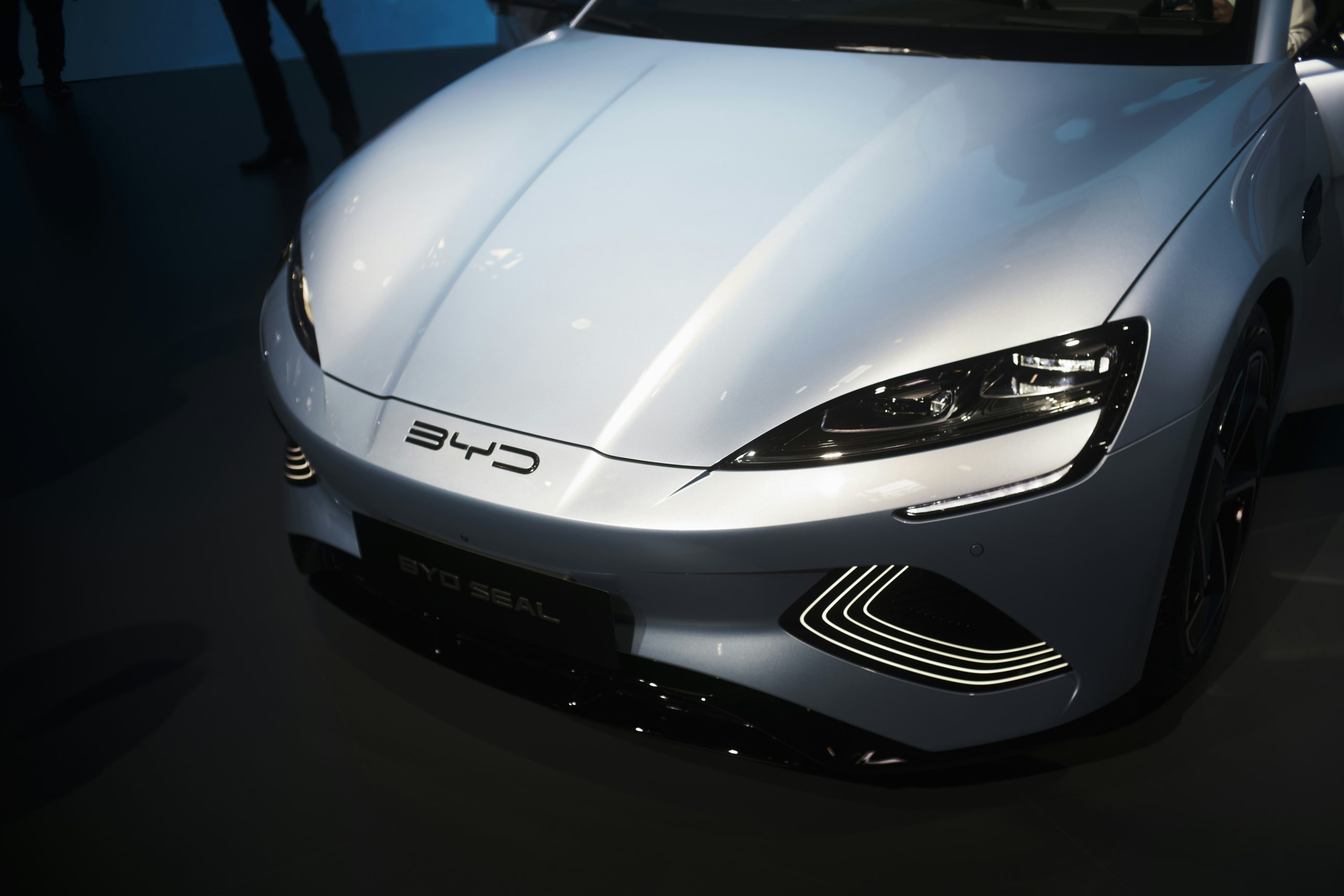
Among four-wheelers, BYD is one of the most preferred choices, credited with early market entry and a reputation for reliability.
The dominance is not accidental. Chinese automakers locked out of Western markets by steep tariffs — facing 100% U.S. tariffs and up to 35.3% from the European Union — have pivoted aggressively toward Africa, Latin America, and Southeast Asia.
Ghana, with a liberalized import regime and an emerging middle class, fits the profile.
Policy Opened the Door
Ghana’s government has actively courted the shift. Starting in 2024, the country introduced an eight-year zero-duty policy on EV imports, which can lower the final cost of a vehicle by 20 to 40 percent compared to traditional petrol cars. Businesses that assemble EVs locally qualify for additional corporate tax relief.
The National Electric Vehicle Policy, introduced in December 2023, also includes a VAT waiver for EVs imported for public transportation, and a zero VAT rate on locally assembled vehicles.
Operational costs for EVs are estimated at up to 60% lower than conventional fuel vehicles — a figure that resonates in a country where fuel prices have remained volatile since Ghana’s 2022 economic crisis.
The Infrastructure Gap and Challenges
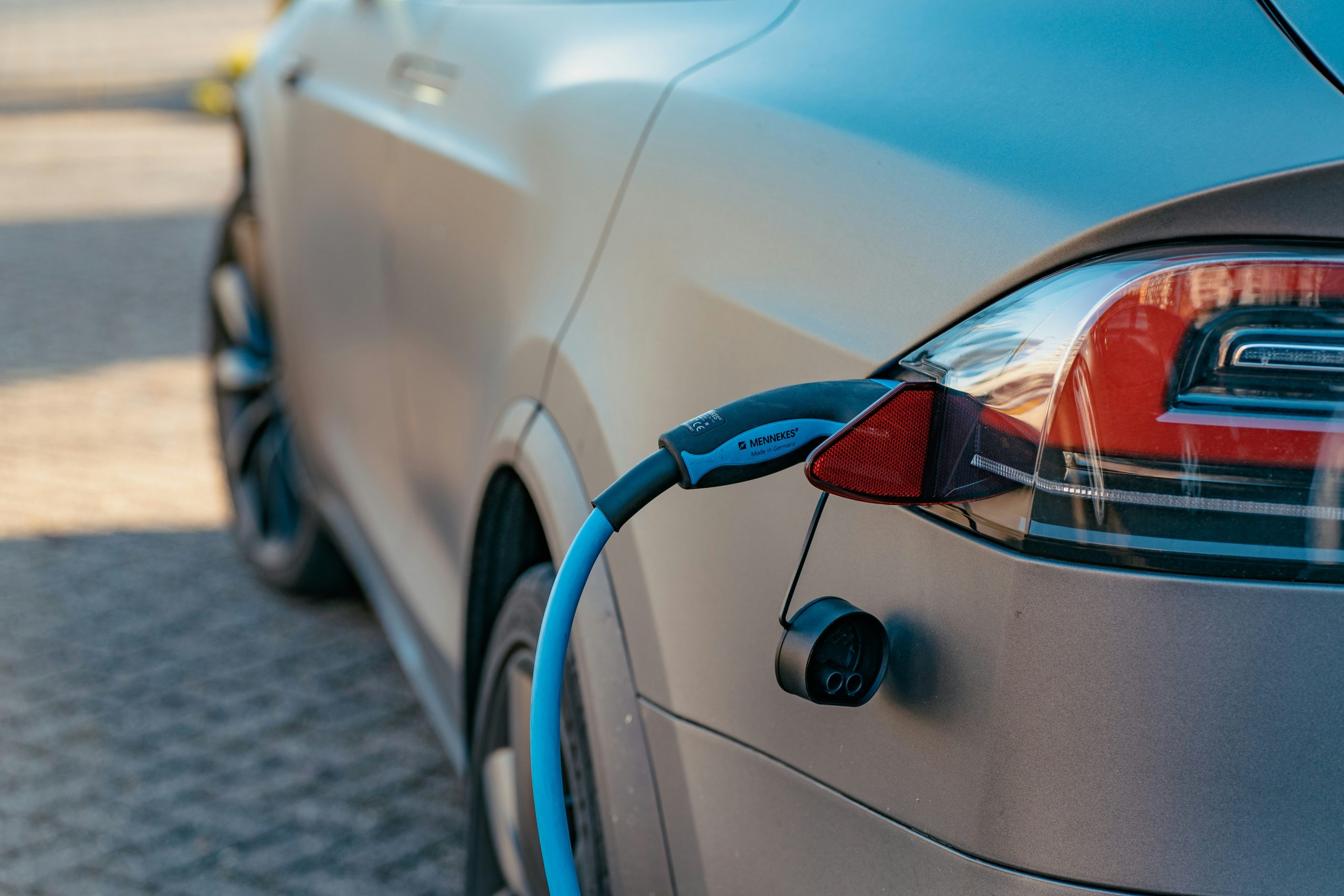
The growth numbers obscure a deeper problem. A UNDP study found that at the start of 2024, only seven public charging stations were available nationwide — all in Accra. For a country the size of Britain with a population of over 33 million, that number is barely a footnote.
Despite the government’s plan to establish 1,000 charging stations by 2028, even within Accra, the positioning of existing stations is not distributed widely enough to serve users across the city’s neighbourhoods.
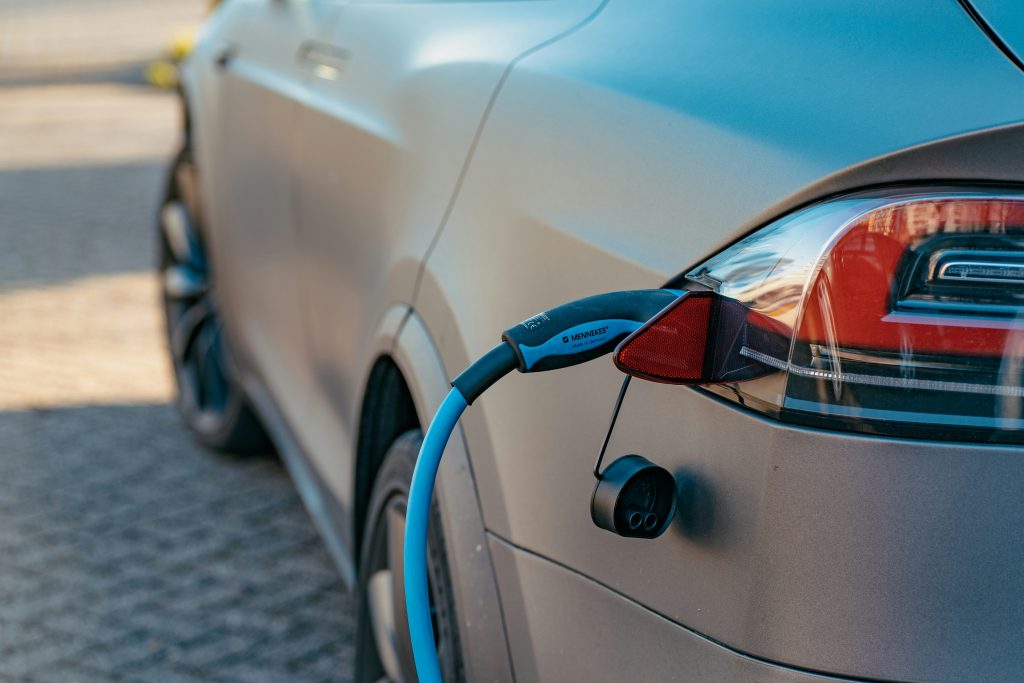
The mismatch between vehicle adoption and charging infrastructure is not unique to Ghana. It is the defining tension of Africa’s EV moment. The African EV market is projected to grow by 25 percent annually over the next five years, and Chinese automakers who establish early dominance stand to benefit from first-mover advantages — including the ability to shape the continent’s charging infrastructure.
That last point carries weight. If Chinese firms build the charging networks alongside the vehicles, the dependency deepens.
Local Assembly as a Buffer
One distinguishing feature of Ghana’s EV market is its emphasis on local assembly rather than pure importation. By importing parts from China and assembling them in Ghana, SolarTaxi reduces transportation and tariff costs while creating local jobs.
Ghana’s policy framework targets 35% EV penetration by 2035, with a long-term goal of ending the sale and import of new petrol and diesel vehicles by 2045.
Whether those targets are achievable depends less on the ambition of the policy and more on whether the country can build the grid, the charging network, and the technical workforce to support a fleet that is growing faster than the infrastructure around it.
For now, Chinese EV brands are filling a gap that no other manufacturer has shown serious interest in closing. The question is whether Ghana ends up as a partner in that transition — or simply a destination for it.