





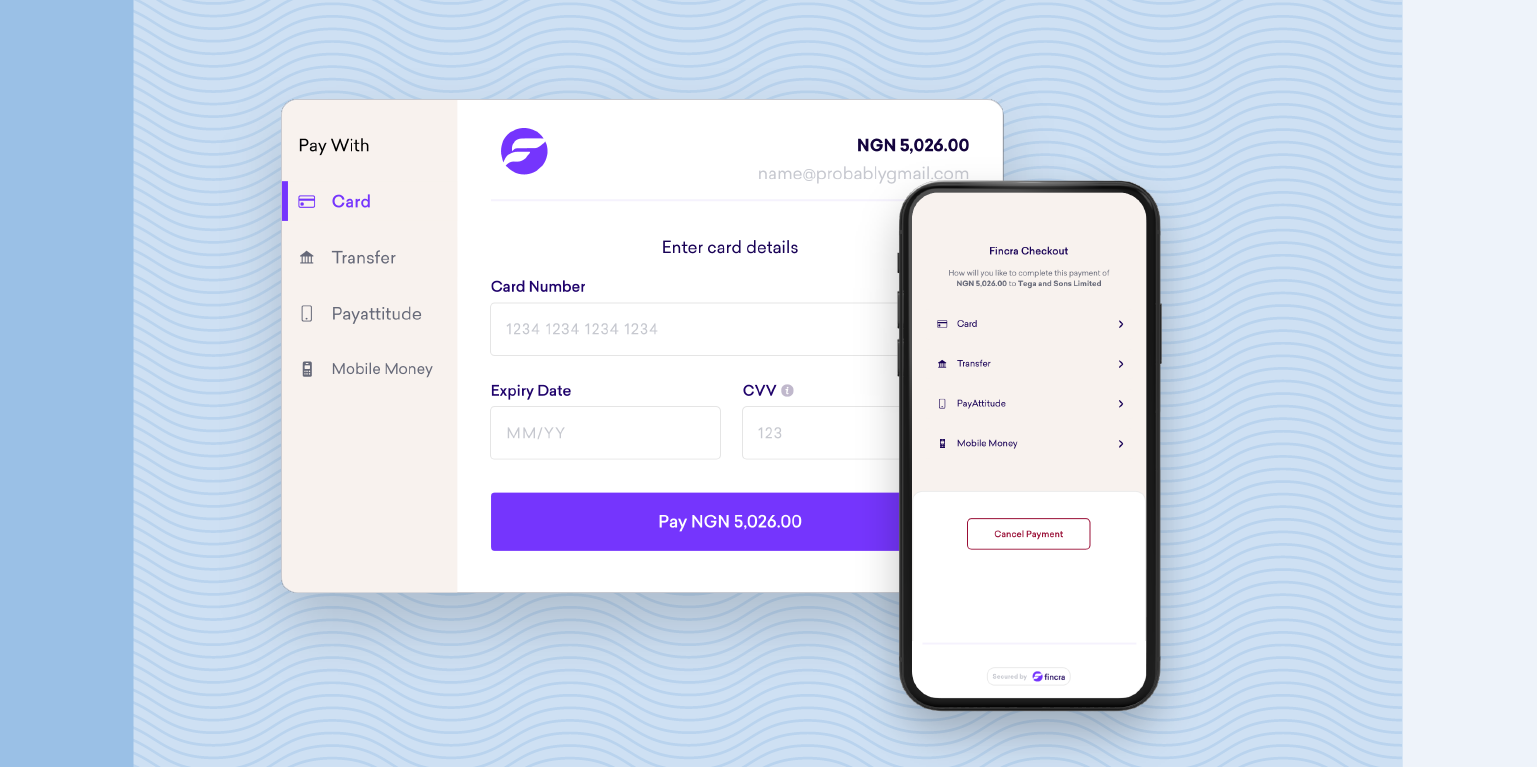
Fincra, the Nigerian payments infrastructure company has secured a Payment Service Provider Licence (Enhanced Category) from the Bank of Ghana, connecting it directly to the country’s financial system and allowing it to process local transactions.
What the Licence Actually Unlocks
The Enhanced Payment Service Provider (EPSP) designation confers specific, regulated operating rights that fundamentally change what Fincra can do inside Ghana.
The licence allows Fincra to collect payments from customers in Ghana, process transactions locally, and receive money sent into the country in Ghanaian cedis.
In practical terms, that means three things. First, merchants using Fincra’s platform can now accept payments directly through local channels such as MTN MoMo, Telecel, AirtelTigo, and local bank transfers.
Second, global remittance operators can terminate inbound transfers directly into local accounts and mobile wallets without intermediation — faster delivery, cleaner execution, fewer handoff delays.
Third, the licence supports automated B2B payments by allowing companies to create local collection accounts in cedis and automatically reconcile incoming payments.
All of this runs through a single API integration.
One Licence, One Strategy
The approval comes two months after Fincra obtained a Payment Service Provider licence in Canada, and builds on what CEO Wole Ayodele has framed as his core thesis: that Africa’s next fintech chapter will be won not through hype, but through licensed, regulated infrastructure that can move money at scale.

The strategy is expansionist but deliberate — enter markets through compliance, then compete on execution. Fincra already supports transactions in over 30 currencies across 150 countries, and has been stacking licences across the continent. Earlier, the company secured a payment provider licence in South Africa in collaboration with Nedbank.
Why Ghana, Why Now
Ghana’s digital payments ecosystem has matured considerably, but that maturity has exposed gaps rather than closed them. Enterprise-scale payment aggregation and inbound transfers have remained fragmented — workable for local players but difficult for the cross-border operators and global platforms trying to plug in cleanly.
“Getting the green light from the Bank of Ghana means we can finally give our merchants a direct, high-speed rail into this market,” Ayodele said. “Whether a business needs to collect mobile money locally, or a global platform needs to drop remittances directly into Ghanaian bank accounts, we are removing the friction.”
The Infrastructure Play
What Fincra is building is less a consumer product and more a financial operating system for the continent. The licence-stacking approach — Nigeria, South Africa, Canada, now Ghana — is positioning the company as the connective tissue between African markets and the global businesses trying to reach them.