




The global remittance system has a well-documented Africa problem. Sending money across borders on the continent — or out of it — routinely costs more than anywhere else in the world, takes days to settle, and runs through correspondent banking infrastructure that was never designed with African users in mind.
PayPal thinks its stablecoin can help fix that.
The San José-based payments giant has announced that PayPal USD (PYUSD), its dollar-backed stablecoin, is now available to users across 70 markets, including a broad expansion across Africa.
The move represents a dramatic scaling of the token’s reach: previously, PYUSD was only available for holding in the United States and the United Kingdom. The rollout now adds 68 new jurisdictions, with African countries including Uganda and Malawi among the newly supported markets.
What PYUSD Actually Does
PYUSD is a stablecoin — a digital asset pegged one-to-one to the US dollar and backed by dollar-denominated reserves.
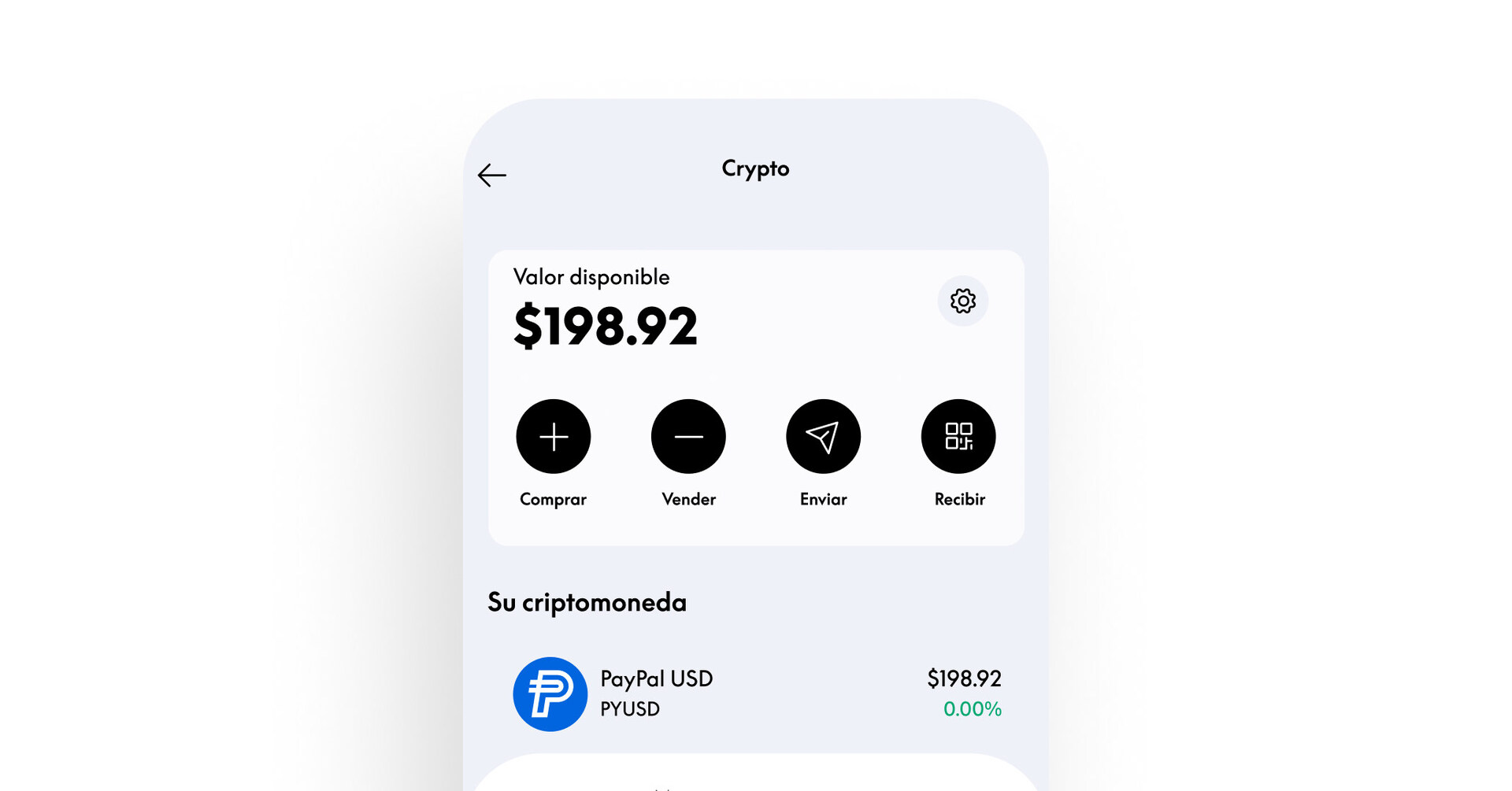
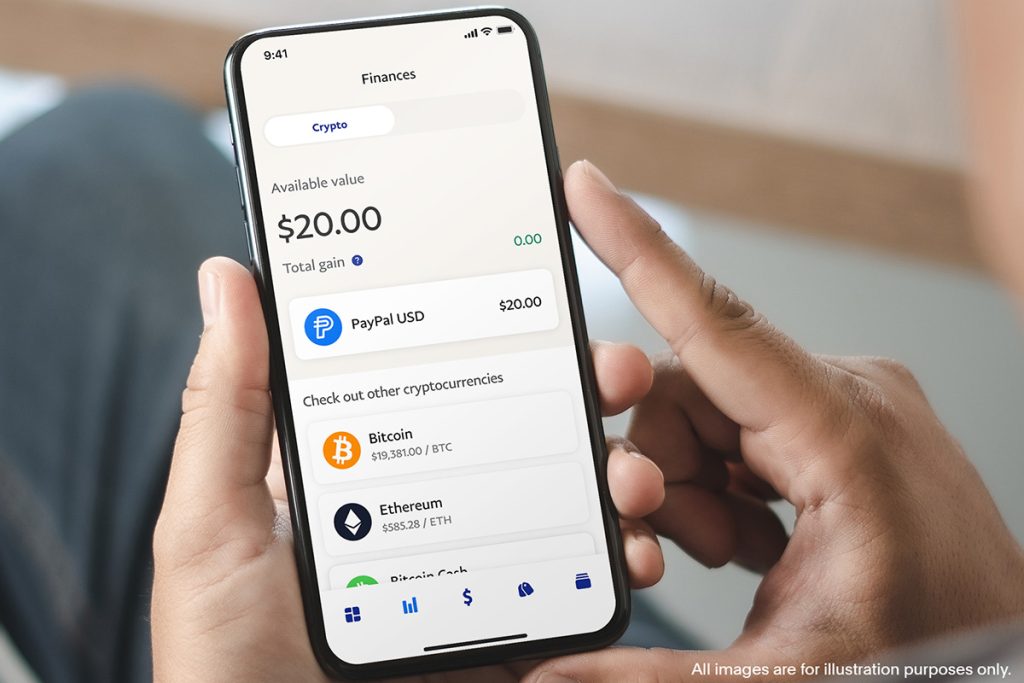
Unlike Bitcoin or Ethereum, its value doesn’t fluctuate with crypto markets. Users in newly supported markets can hold PYUSD balances, send and receive funds globally, and withdraw into local currencies.
This is a significant shift from how PayPal previously operated in several regions, where users were required to immediately convert incoming funds into fiat currency or withdraw to local banks.
In practical terms, this means PayPal is giving African consumers something closer to a digital dollar wallet — a store of value that doesn’t degrade with local currency volatility, and a rails system for moving money internationally without the drag of traditional correspondent banking fees.
Existing holders in the US already earn 4% annually on their PYUSD holdings. Whether that yield feature extends to African markets at the same rate hasn’t been confirmed, but the company has indicated eligible users globally can earn rewards on their holdings.
The Business Case for Merchants
For merchants and businesses, the pitch is equally concrete. Cross-border settlement through traditional banking can take days, tying up working capital and complicating cash flow for businesses that operate across multiple African markets or deal with overseas suppliers.
With PYUSD, PayPal says businesses can access proceeds in minutes rather than days, improving liquidity and reducing exposure to settlement delays.
“Bringing PYUSD to Africa is about delivering tangible value to the people and businesses driving growth in these dynamic markets,” said Otto Williams, PayPal’s Senior Vice President and General Manager for the Middle East and Africa.
The framing is familiar — every major fintech entering Africa says something similar — but the mechanics here are meaningfully different from a simple mobile money integration.
A Market That Needs This
Africa receives tens of billions of dollars in remittances annually, yet the continent consistently ranks among the most expensive corridors for cross-border transfers. The problem is structural: thin correspondent banking networks, fragmented regulatory environments, and currency volatility all inflate costs for senders and receivers alike.
The data on PYUSD’s usage pattern so far suggests the token is concentrated in payments, transfers, and settlement flows rather than high-frequency speculative trading — exactly the use case African markets need most.
Over the past year, PYUSD’s total market capitalisation has more than quintupled to $4.1 billion, a trajectory that suggests the token is gaining genuine traction beyond niche crypto users.
Part of a Bigger Africa Push
The PYUSD expansion doesn’t exist in isolation. PayPal has committed $100 million to investment and innovation across the Middle East and Africa, with plans to increase local hiring to support regional growth.
The company is also developing PayPal World, a cross-border digital wallet platform designed to allow users to make international purchases through existing local digital wallets without needing to open a PayPal account directly.
Together, these moves sketch out a coherent Africa strategy — one built around interoperability, stablecoin infrastructure, and meeting users where they already are financially, rather than asking them to migrate entirely to a new platform.
The Caveats
None of this is friction-free. PayPal still doesn’t operate in all African markets, and PYUSD’s utility depends on merchants and platforms accepting it. Regulatory environments for stablecoins vary sharply across African jurisdictions — some regulators have embraced digital assets, others remain cautious or outright restrictive.
And the network effects that make stablecoins valuable only materialise when adoption reaches meaningful scale on both sides of a transaction.
But PayPal’s move is significant precisely because of what it brings to the table that most crypto-native stablecoin projects can’t: a brand that hundreds of millions of people globally already trust, regulatory standing in major markets, and an existing merchant network. In Africa, where trust and distribution are often the hardest problems to solve in fintech, those advantages matter.