




M-KOPA, the London-headquartered fintech that finances phones and solar products for Africa’s informal workforce, announced that it has reached 10 million customers across five countries — a milestone that took 14 years to build but only six to mostly complete.
The company’s timeline tells its own story about where the growth came from. M-KOPA sold its first solar unit in 2012 and took eight years to sign its first million customers, largely through pay-as-you-go solar financing in Kenya and Uganda.
Its pivot into smartphone financing in 2020 changed the trajectory entirely: the next 9 million customers arrived in six years, with the company now claiming 10,000 new sign-ups a day.
A bet on the “informal economy”
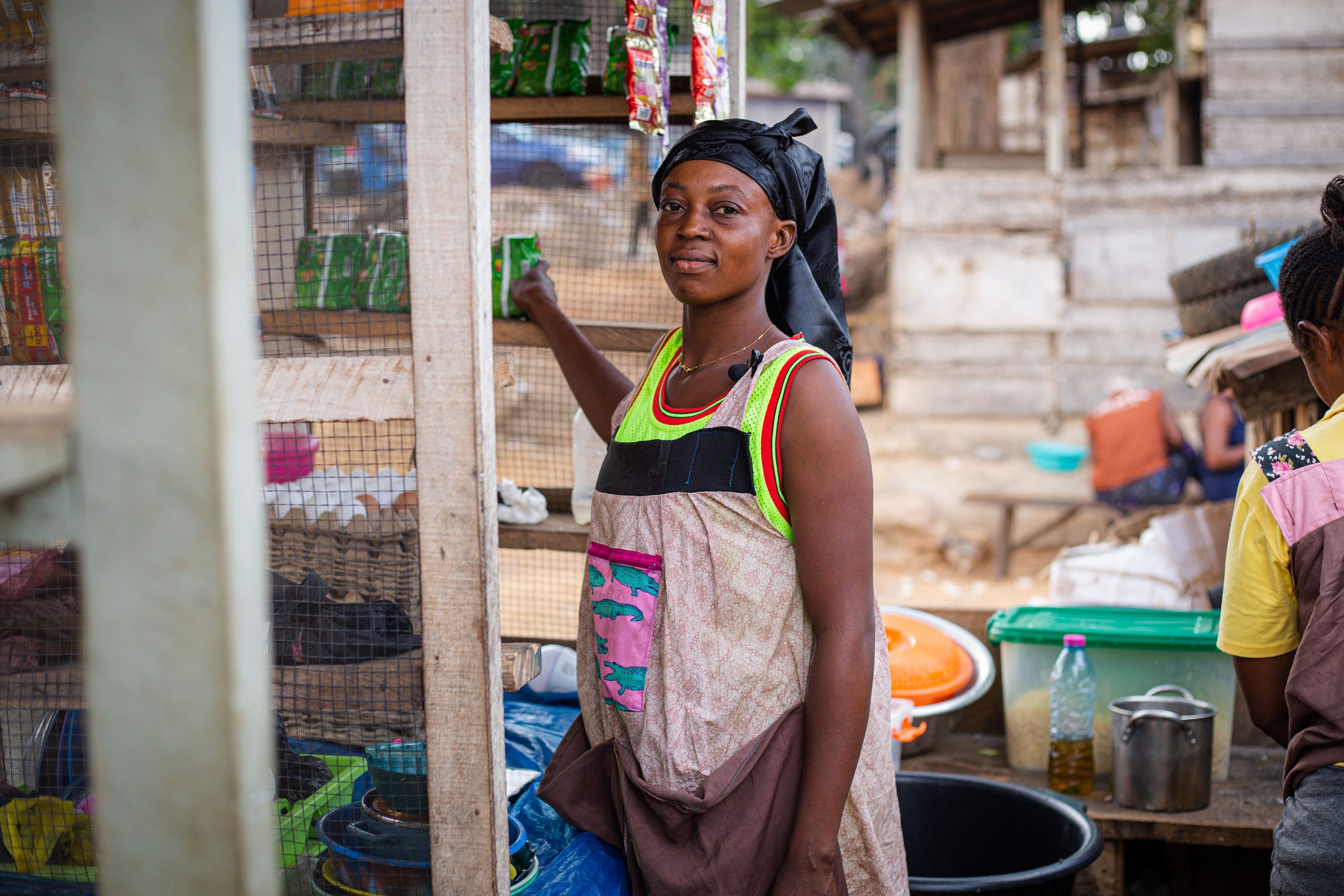
M-KOPA’s core pitch has always been that traditional lenders ignore Africa’s cash-in-hand workers — boda boda riders, market traders, tailors — because they lack payslips, not because they lack the ability to repay. The company’s financing model uses the phone or solar unit itself as collateral, locking the device remotely if payments lapse, which lets it extend credit to customers with no formal credit history.
CEO Jesse Moore leaned into that framing in M-KOPA’s announcement, arguing that a decade of scale has settled the argument over whether informal-economy customers are viable borrowers. The company points to sub-Saharan Africa’s informal employment rate — often cited near 90 percent — as the reason it sees more room to grow, particularly as the working-age population expands through 2040.
It’s worth noting that M-KOPA cites survey data claiming nine in ten customers say its products improved their lives, but the release doesn’t name the surveying organization, disclose a sample size, or specify what “improved their lives” was measured against.
What the numbers don’t show
The announcement is notably light on the figures that would let outsiders assess how healthy the underlying business actually is. M-KOPA says revenue has grown at an average of 50 percent annually since 2020, but provides no absolute revenue figure, no profitability data, and no default or repayment rate — arguably the single most important number for a lender whose entire business model rests on financing customers other lenders consider too risky to serve.
There’s also no country-by-country breakdown of the 10 million figure. Nigeria is singled out as the fastest market in company history to cross 1 million customers, but the release doesn’t say how large that Nigerian customer base is now, nor does it break down the mix between smartphone customers and the solar-financing customers who made up the original base.
Kenya, Uganda, Ghana and South Africa are presumably the other four markets, though the release doesn’t confirm this explicitly.
Manufacturing and distribution scale
Some claims are more concrete. The company operates what it describes as the continent’s largest smartphone assembly plant, located in Kenya, employing more than 400 people and having produced 3.3 million devices since opening in 2023.
M-KOPA also says it runs Africa’s largest direct sales network, with more than 40,000 agents spread across its five markets — a distribution advantage that is harder for smaller competitors to replicate quickly.
The bigger picture
The milestone lands at a moment when device financing and embedded credit have become a crowded field across African fintech, with rivals including Watu Credit and various mobile network operators offering their own phone financing schemes.
M-KOPA’s claim to scale — 10 million customers, five markets, tens of thousands of agents — is a real differentiator if accurate.
Whether that scale translates into a sustainably profitable lending business is a question the company’s own announcement doesn’t answer.