





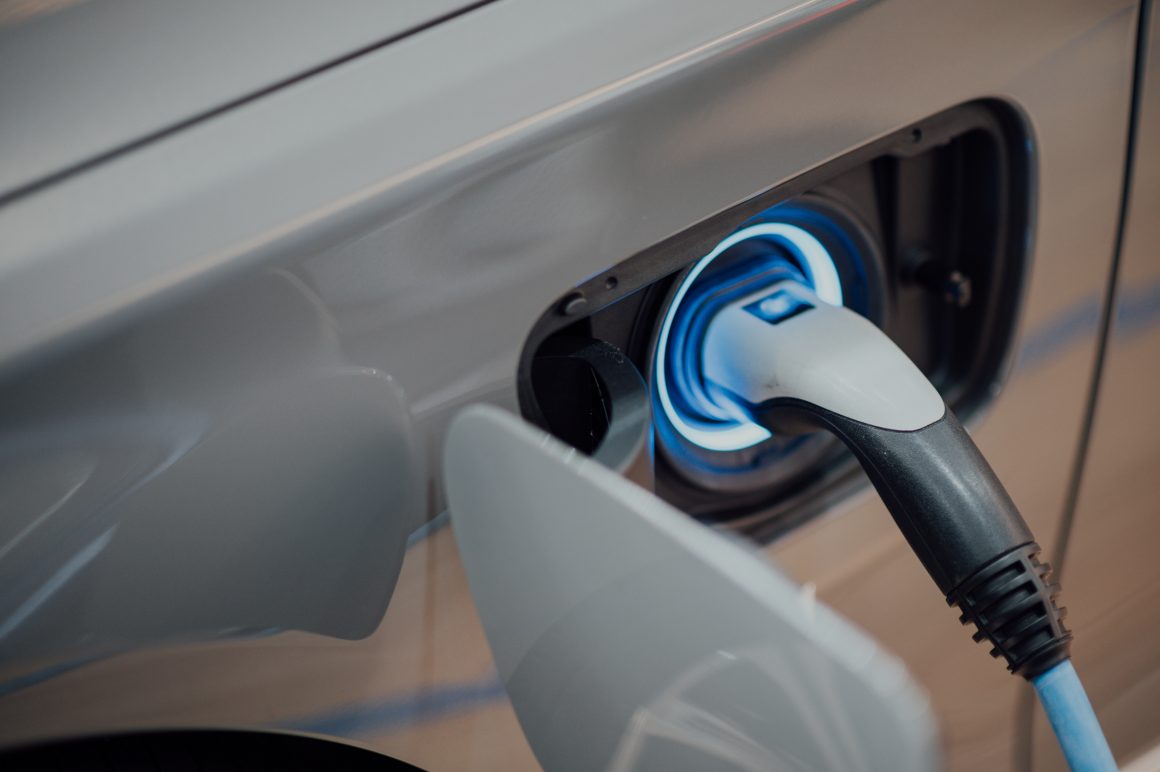
Ghana now has rules for the businesses that will power its electric vehicles.
Rules governing EV charging stations and battery-swapping systems took effect on November 10, 2026. They set standards for Ghana’s electric mobility industry, which is expected to attract billions of dollars in infrastructure investment over the coming decades.
The rules end a long stretch in which charging operators worked under an interim notice.
A year in the making
The Energy Commission has spent most of 2026 on these rules. From 20 to 22 February 2026, the Energy Commission hosted a workshop in Ho to finalise draft regulations on EV charging infrastructure and battery swap systems.
In August, the Energy and Green Transition Minister, John Abdulai Jinapor, announced on 25 August a forthcoming law at the Future of Energy 2026 conference. Around the same time, reporting raised concerns about pressure on the national grid.
In September, the Energy Commission (EC) laid the Electric Vehicle Charging Station and Battery Swap Systems Regulations, 2026 before Parliament.
What operators must do
The basic requirement isn’t new. In late 2025, the Commission issued Public Notice No. PN011112025, which required anyone installing or operating EV charging or battery-swap infrastructure to get its approval first.
That notice is an interim measure that fills a regulatory gap until draft EV infrastructure regulations are finalised and passed into law. The new regulations put that requirement into law.
The Commission’s power comes from the Energy Commission Act, 1997 (Act 541), under which it grants licences for energy-related activities, including EV infrastructure businesses. Operating without approval is a breach of Act 541 and may lead to regulatory sanctions under that Act.
The stated aim is to make sure installations meet national safety, technical, and operational standards.
What happens to old batteries
The framework also covers the end of a battery’s life. Operators must comply with rules on battery collection and recycling. Licensed agents handle recovery, recycling, repurposing, and disposal under EPA requirements.
The Commission will support the Environmental Protection Agency in enforcing rules on hazardous and electronic waste. Battery-swap operators keep large stocks of batteries, so this part of the rules will matter most to them.
Separately, the Commission and the Ministry of Transport developed standards for electric cars, motorcycles, and tricycles sold in Ghana.
Why now
Officials want infrastructure to keep up with the vehicles. Joyce Caitlyn Ocansey, who coordinates the Drive Electric Programmes, said the aim was “to ensure that the development of the charging infrastructure kept pace with the growing adoption of electric vehicles.”
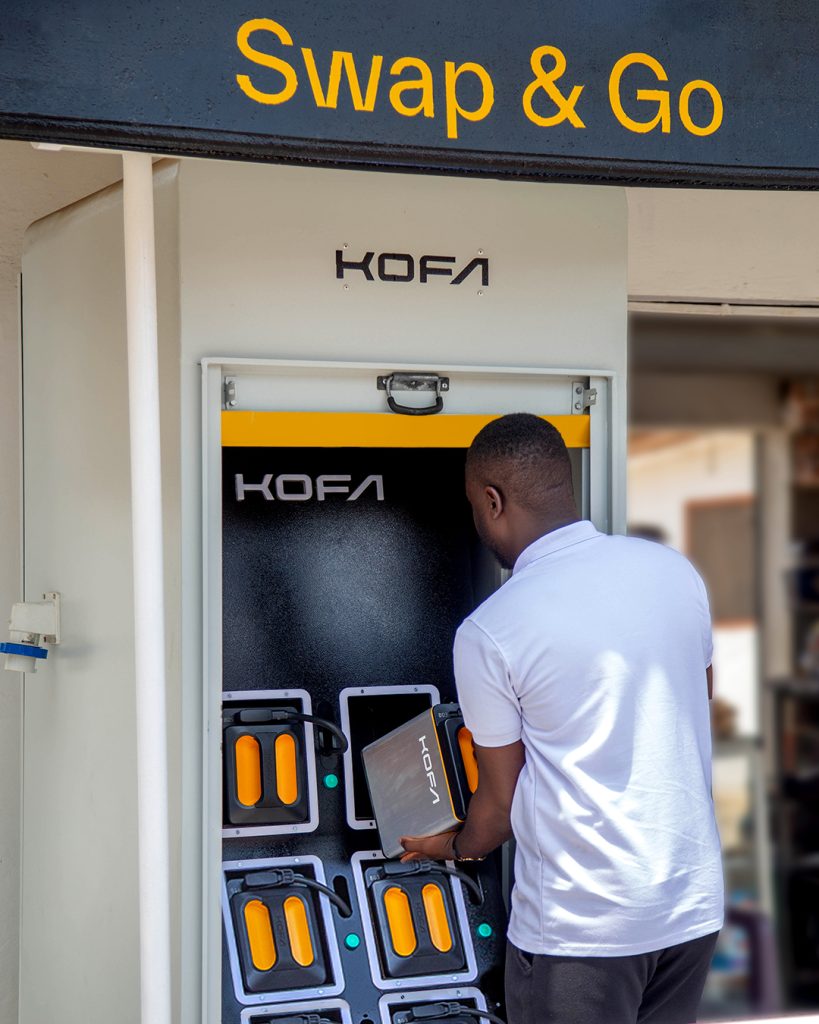
Most of that adoption is on two and three wheels. Ghana’s EV market is primarily composed of two- and three-wheelers, which suits battery swapping well. A motorbike rider can swap a battery in minutes instead of waiting for a charge.
The bigger picture
The rules are part of a longer timeline. Ghana has set 2070 as the target year to phase out internal combustion engine vehicles. B&FT reports that the regulations line up with an ECOWAS battery framework and a 2070 net-zero pathway.
The wider energy transition costs far more than this one sector. Ghana requires an estimated $562 billion financing to implement its energy transition framework from now to 2070.
The Commission is trying to attract private investors. It has completed a market opportunity study for potential investors. The government is also considering solar-based EV charging stations.
The obstacles remain
Rules alone won’t make people buy EVs. A March report found that high upfront costs, weak financing structures and electricity tariff uncertainty are slowing Ghana’s transition to electric mobility, despite strong policy commitments and growing private sector interest.
Earlier targets also give reason for caution. In 2023, the government said it would build 1,000 electric vehicle charging stations across the country within five years. That deadline is 2028.
The new regulations tell investors what is expected of them. Tariffs, financing and grid capacity will decide whether they actually build.
The B&FT page only showed its opening paragraph, so the details of the article come from other reporting. Before you publish, check the US$7bn figure and the ECOWAS link against the full B&FT piece. I couldn’t confirm either one from another source.
Source: Business and Financial Times