






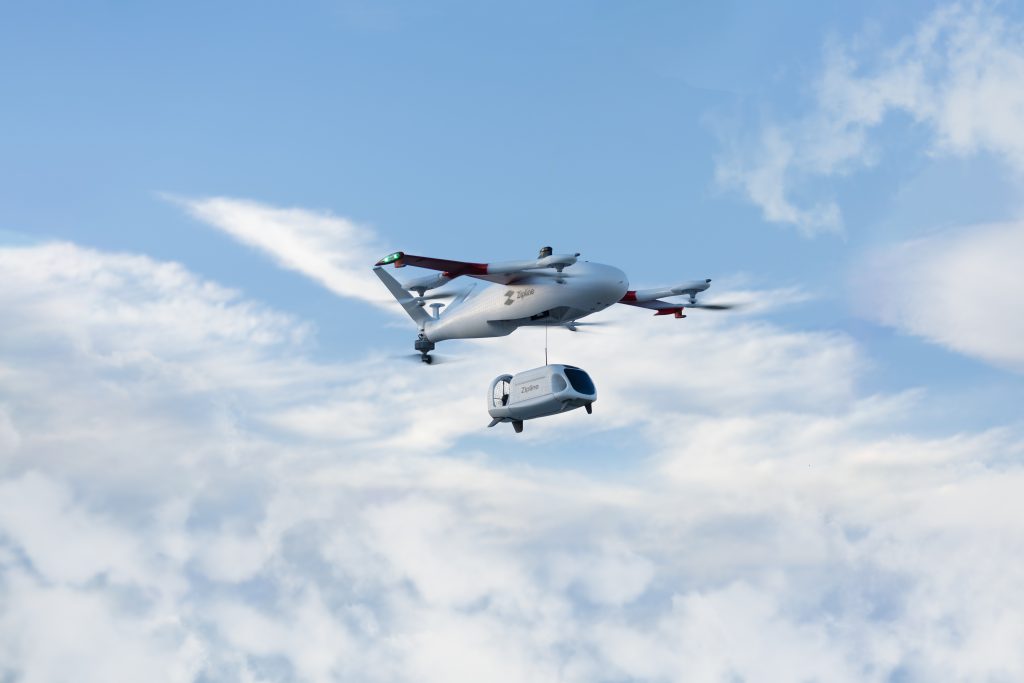
Zipline, the drone delivery company that made its name flying blood and vaccines to rural clinics in Rwanda and Ghana, has hired a senior Uber executive to lead its largest push into Africa to date.
Anthony le Roux, currently Senior Director and Head of Group Transportation at Uber, will become Zipline’s Head of Operations for Africa in January 2027. He will be responsible for building out tens of new distribution centres, which Zipline calls “nests,” over the next two years.
The hire shows that Zipline’s African business has moved past the pilot stage. The company now needs someone who can run a large rollout across many markets at once.
A Two-Year Build
Zipline describes the coming expansion as its biggest build on the continent so far. It includes new nests in countries where it already operates and entry into new ones, all backed by partnerships with African governments.
When the network is fully built, the company says, it will reach more than 130 million people. That is close to 10 percent of Africa’s population. The network would serve 20,000 health facilities and drop sites with on-demand deliveries of essential medical supplies.
Zipline also says the expansion will create more than 800 skilled, well-paid jobs in Africa.
The company argues that on-demand delivery cuts waste, because clinics no longer have to overstock perishable supplies. It also says faster access to medicine raises treatment rates and improves health outcomes, especially in remote areas with poor roads.
Who Is Anthony le Roux?
Mr. le Roux has almost 20 years of experience, 13 of them at Uber.
He joined Uber in 2013 as general manager in Cape Town, when the ride-hailing company was still entering African markets. He later moved to Warsaw to lead Uber’s operations in Eastern Europe.
From there he went to Dubai as Regional General Manager for the Middle East and Africa. In that job he grew the region and opened new markets, including Pakistan.
Most recently, he built Uber’s high-capacity vehicle business from scratch. That unit is now Uber Group Transportation, a service that sells group transport to businesses. He will keep running it until he leaves for Zipline.
At Zipline he will put together a team of operations specialists drawn from across Africa and the diaspora. That team will handle the expansion in both Zipline’s current markets and the ones it plans to enter.
Why Operations Matters Now
Zipline’s technology is well established. Its drones have flown medical deliveries in Africa for close to a decade. The harder problem now is execution: building many sites quickly, hiring and training staff, working with health ministries, and keeping service reliable across countries with different regulations.
Mr. le Roux has done this kind of work before. At Uber, he launched services in new countries, dealt with local regulators, and scaled operations quickly.
“Anthony’s operational depth and extensive experience will be vital as we enter this exciting new chapter on the continent,” said Caitlin Burton, CEO of Zipline Africa and Emerging Markets. She said he had “a proven track record of scaling transformative technologies in Africa and beyond.”
A Return to Africa
For Mr. le Roux, the job means coming back to the continent after years abroad. Zipline calls the expansion Africa’s most ambitious AI and robotics rollout to date.
“I’m a builder at heart, and there are few places in the world where there is more to build than in Africa,” he said.
He compared the opportunity to the arrival of mobile phones, which let millions of Africans get connected without waiting for landlines. Zipline, he said, could help logistics skip past the continent’s gaps in roads and infrastructure in the same way, getting “medicine to millions of people who have never had reliable access to it.”
What to Watch
There are three things to watch.
First, which new markets Zipline names. The company has said its expansion is backed by government partnerships, but it has not yet listed the countries.
Second, how these deals are paid for. Zipline’s African operations have mostly relied on contracts with governments, which are often supported by donors. If more countries sign on, more public money will go to drone logistics.
Third, the jobs. The pledge of more than 800 skilled roles will be judged by how many go to local staff, and how many of those are senior roles rather than entry-level positions.