



The Bank of Ghana said on Sunday that recent cyberattacks on the country’s financial sector have disrupted banking apps and digital payment services. It also announced temporary limits on transactions.
In a press release, the central bank said it had noted “widespread frustration” among customers. It said the attacks targeted several sectors of the economy, including entities in the financial system.
The bank said there is nothing to suggest customer deposits have been compromised. It said the financial system “remains sound.”
What Changes for Customers
The central bank said the measures take effect immediately. They include:
- Lower daily limits. Daily transaction limits on mobile money wallets and bank accounts have been temporarily reduced.
- Agent caps. Daily and monthly limits now apply to mobile money agents.
- Extended hours. Banks will stay open longer for customers who need transactions above the revised limits. Those customers must visit a branch, where they will be verified and assisted.
The release did not state the new limits.
Fallback Options
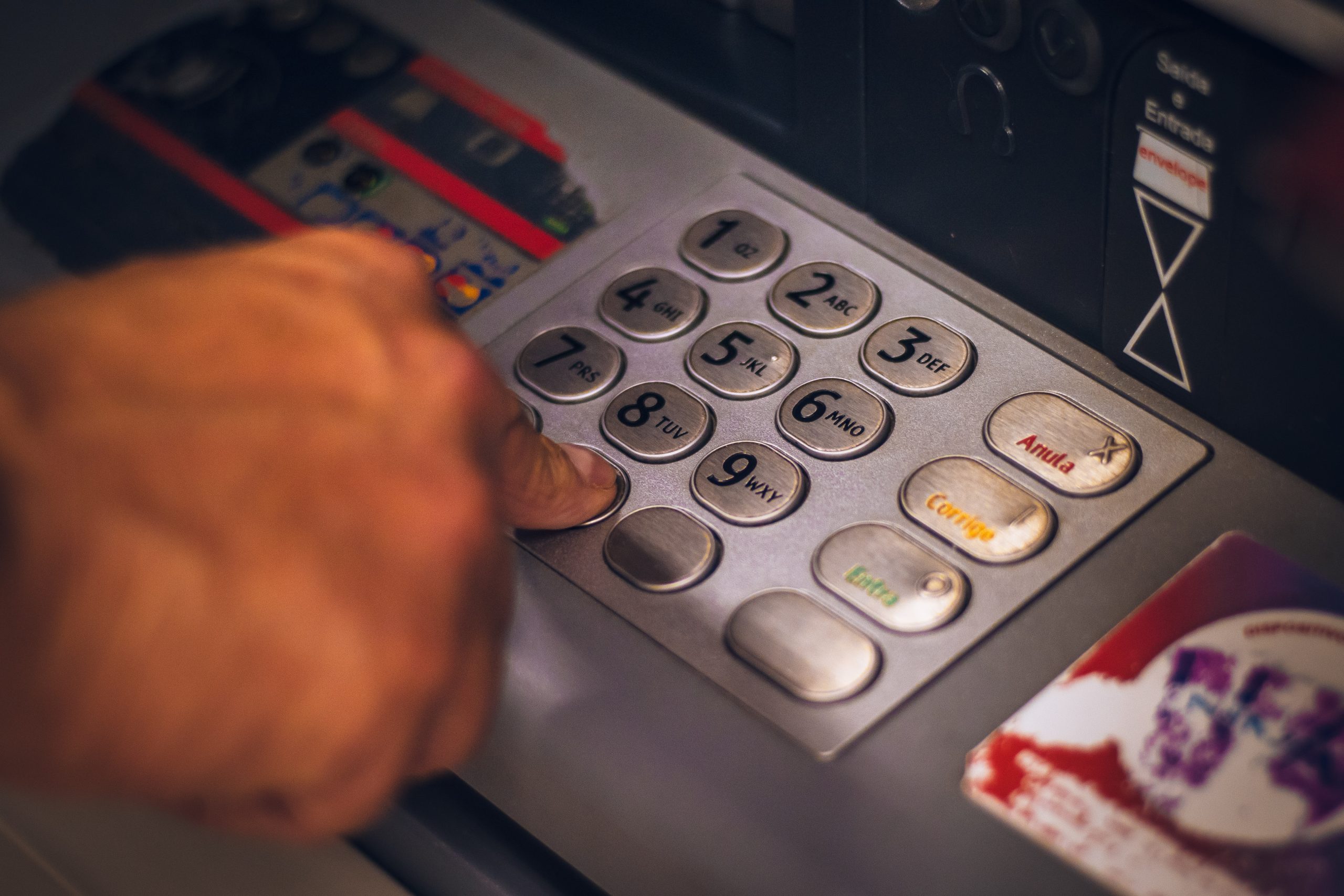
Some services may be down, including banking apps, internet banking, account-to-wallet transfers, instant interbank transfers and GhQR payments. The central bank said customers can use other channels instead:
- ATMs
- USSD codes
- GhanaPay
- Branch counters
- Authorised agents
Who Is Responding
The central bank said it is working with the Cyber Security Authority, banks, specialised deposit-taking institutions and payment service providers. It is also working with the Ghana Interbank Payment and Settlement Systems Limited, which runs the country’s interbank payment infrastructure.
The goal, it said, is to assess the situation, contain the incidents and restore services. Financial institutions are monitoring transactions and strengthening protective controls while investigations continue.
The bank also told lenders to communicate “promptly and clearly” with customers. That includes giving expected restoration times for affected services.
Mixed Explanations From Banks
The central bank noted that institutions have given different reasons for the interruptions. Some blamed system maintenance, while others cited technical issues. It did not say whether any of these explanations were linked to the attacks.
A Warning on Scams
The central bank urged the public to “remain calm and vigilant.” Outages like these often give fraudsters an opening, as customers look for answers and may trust unfamiliar callers or messages.
Its guidance was to:
- Never share a PIN, password or one-time password with anyone.
- Be wary of unsolicited calls, messages, emails and links.
- Transact only through official channels.
- Report suspicious activity to the bank or mobile money provider immediately.
What We Still Don’t Know
The release leaves several questions unanswered. It does not say:
- Which banks or payment providers were hit.
- Who is behind the attacks.
- How the attacks were carried out.
- How long the disruptions have lasted.
- When the new limits will be lifted.
The central bank said the measures will be reviewed as the situation evolves, and that any changes will be communicated to the public. It said further updates will follow as necessary.