




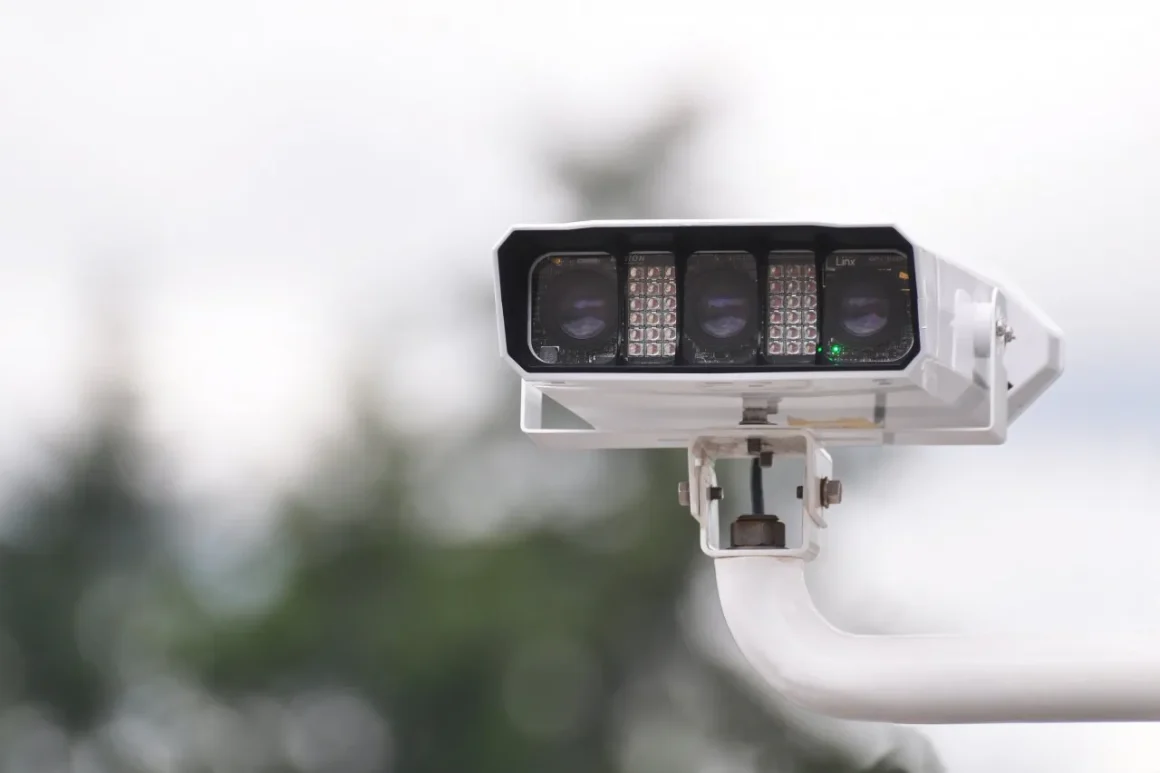
As of today, Ghanaian motorists caught speeding will no longer be waved down by an MTTD officer. Instead, a camera will capture the offence, police in a central control room will review the footage, and an electronic notice will land on the phone of whoever the vehicle is registered to.
TRAFFITECH-GH, the Ghana Police Service’s automated traffic enforcement programme, went live nationwide on November 1, 2026, after a one-month delay the Motor Traffic and Transport Department said was needed for more public awareness.
It is backed by the Road Traffic (Amendment) Act, 2025 (Act 1153) and the Road Traffic Regulations, 2026 (L.I. 2519), and it starts with a single offence: speeding. Red-light running and dozens of other violations are expected to follow.
The government’s pitch is twofold: fewer deaths on the roads and less roadside bribery. Interior Minister Muntaka Mohammed-Mubarak has said routine document checks by MTTD personnel will end.
The question is whether the system can deliver either promise. Two of Africa’s most-watched experiments, in Rwanda and Kenya, offer a useful guide.
How TRAFFITECH-GH works
Fixed cameras, sensors and handheld Personal Digital Assistant (PDA) devices record offences, and Police assess the evidence at a central control room, so a human still signs off before a penalty is issued.
The system identifies the licence holder linked to the vehicle and issues an electronic notice of violation within 14 days, as required by the Tenth Schedule of L.I. 2519.
Until a vehicle’s new owner is formally onboarded, the person on the register remains liable.
Testing began after the IGP’s launch in mid-September. In that trial window, the MTTD says it issued more than 10,000 cautions for speeding, an early sign of how widespread the behaviour is, and of how much enforcement capacity the system will need.
Rwanda: the case for optimism
Rwanda is the continent’s clearest success story. Starting with a handful of cameras in Kigali in late 2019, police expanded to more than 500 cameras by 2021 and covered major roads across district towns.
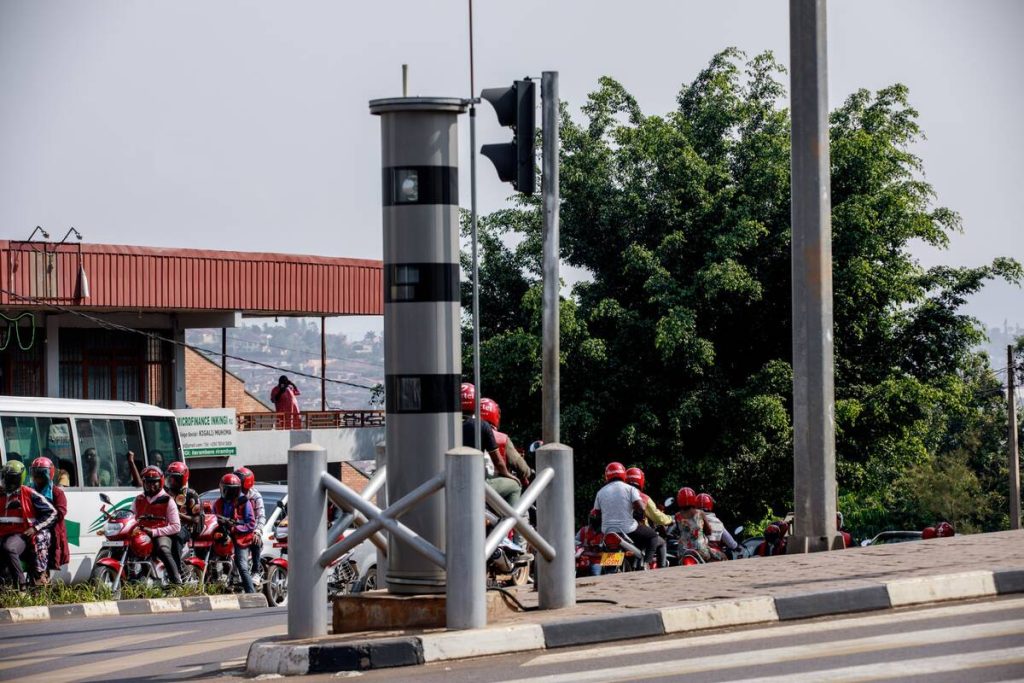
Independent research on the April 2021 nationwide rollout associated it with a roughly 38% drop in monthly road deaths.
Police figures tell a similar story. Deaths in the first ten months of each year fell from 739 in 2019 to 687 in 2020 and 548 in 2021. Reported road accidents dropped from 1,467 in 2019 to 1,024 in 2021.
But the Rwandan story has two warnings for Ghana.
A 2022 Senate report found fatalities had risen again, and in 2025 Rwanda recorded 10,320 crashes and 719 deaths. Police say motorcycles were involved in 98% of crashes, and some riders deliberately damage speed-control devices.
Cameras deter cars on camera-covered roads; they do far less for motorbike taxis weaving through traffic.
In late 2021, Kigali residents complained about very low urban speed limits (30–40 km/h in places), steep fines and allegedly faulty cameras. The backlash grew loud enough that President Kagame publicly asked police to review the limits.
Kenya: The Cautionary Tale
Kenya has chased the same idea for over a decade with much less to show for it. An early Nairobi intelligent transport system, costing Ksh 1.4 billion, installed smart traffic lights meant to run junctions without police; reporting later found the lights were not working. A 2020 trial that pulled officers from junctions caused gridlock.
Kenya is now trying again at much larger scale. The National Transport and Safety Authority (NTSA) is rolling out 1,000 AI-enabled cameras under a 21-year public-private partnership with KCB Bank Kenya and Pesa Print, linked to smart licences, instant SMS fines and a demerit-points system.
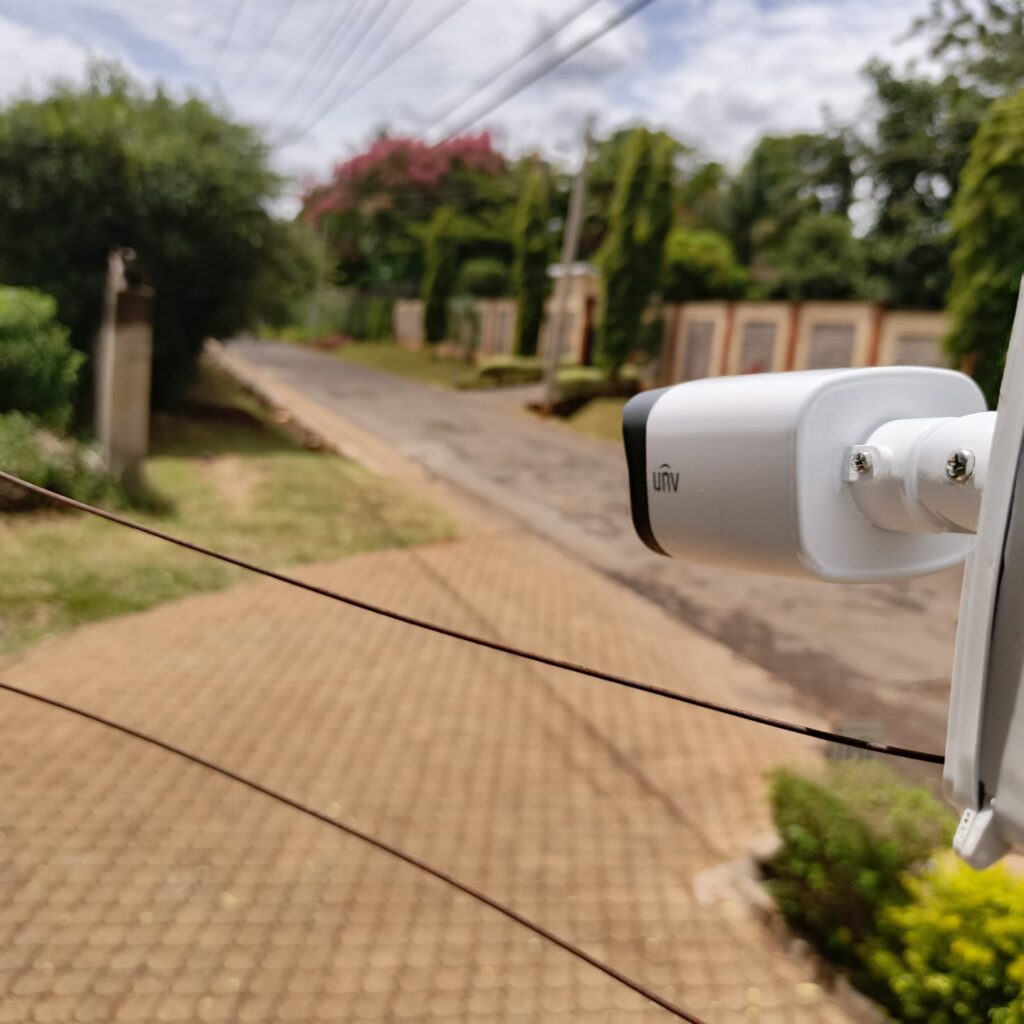
Treasury has set aside KES 1.18 billion to expand Nairobi’s ITS Phase III. Analysts have flagged power reliability, vandalism and data privacy as make-or-break issues, and noted that previous rollouts suffered delays and uneven execution.
What Will Decide Ghana’s Outcome
Automated enforcement is only as good as the database behind it. If DVLA records are outdated, and vehicles change hands without re-registration, notices will reach the wrong people, disputes will pile up, and trust will erode quickly.
A notice that can be ignored is not a deterrent. Rwanda’s system worked partly because penalties escalated quickly if unpaid. Ghana needs a clear, easy payment route (mobile money is the obvious fit) and real consequences for non-payment, such as blocks on licence or roadworthy renewals.
Rwanda’s results came from saturating major roads and keeping cameras running. Kenya shows what happens when hardware goes in but doesn’t stay functional. Power cuts, vandalism, and maintenance budgets will matter as much as the initial installation.
The Ghana Private and Road Transport Union (GPRTU) says most of its members learnt about TRAFFITECH-GH from media reports, not formal engagement. Trotro and taxi drivers are on the road all day, so they will feel the system first. Rwanda’s experience suggests motorcycles may be the hardest group to reach with cameras alone.
The biggest public selling point is the end of roadside “settlement.” If officers keep mounting checks, or if the back-office review becomes a new point for leakage, public support will collapse.
Kigali’s backlash shows that limits seen as arbitrary turn enforcement into a revenue grievance. Publishing camera locations, speed limits, fine revenue, and crash data would help Ghana avoid that trap.
A Chance of Success, if Ghana Follows Through
Ghana starts in a better position than Kenya did. It has a fresh legal framework, a human review step, a narrow, achievable first target in speeding, and a trial that has already produced data. It also starts with more friction than Rwanda: a larger, messier vehicle fleet, a weaker register, a huge okada sector and a public that is deeply sceptical of police.
The evidence suggests TRAFFITECH-GH can reduce speeding deaths within its first year, provided camera coverage grows, fines are enforced, and the data is made public.
Without those, it risks becoming another expensive system that exists on paper. The first real test will come when Ghana publishes its own before-and-after crash numbers. Until then, the cameras are a promise, not a result.